
How To
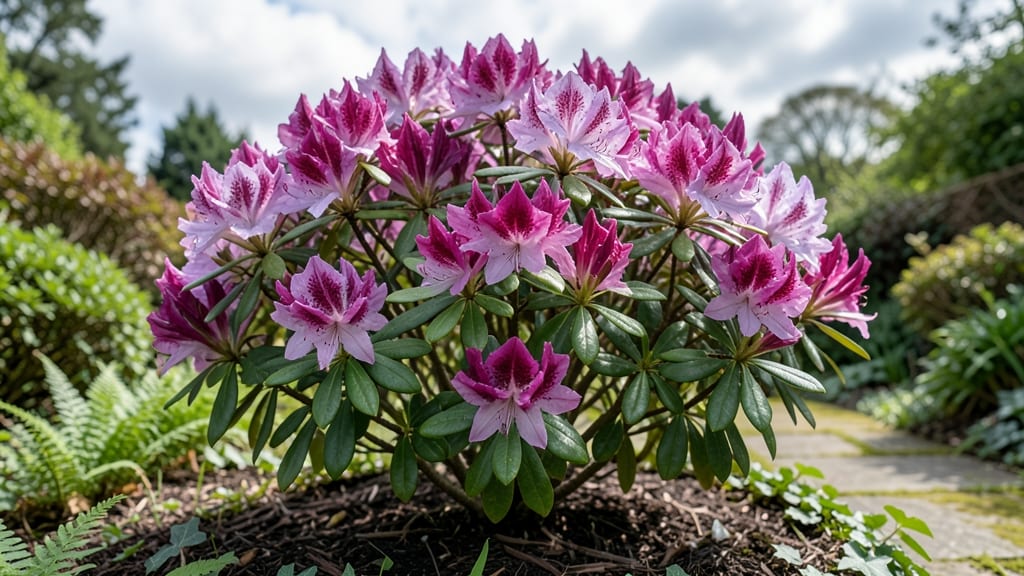
Azaleas bloom for 2 to 6 weeks, depending on the variety—early bloomers like Rhododendron indicum last 2-3 weeks, while late-season types (e.g., Rhododendron molle) extend to 5-6 weeks. Cooler climates and proper care can prolong flowering by 1-2 weeks beyond average timelines.
Understanding your azalea's bloom cycle starts with recognizing how its specific type and growing conditions play a role. 🌸 Early-season varieties often peak in spring, while late bloomers may extend their display into early summer, especially in regions with cooler temperatures.
For instance, Southern U.S. azaleas might bloom earlier due to milder winters, while Northern varieties often wait for consistent warmth. The key to maximizing bloom time lies in matching care practices to your plant's natural rhythm—think of it as tuning into its biological clock.
What many gardeners don't realize is how dramatically soil conditions can affect duration. Azaleas thrive in acidic soil (pH 4.5-6.0), and maintaining this range through regular mulching and proper fertilization can add critical weeks to their flowering season.
I've found that a light application of acid-loving plant fertilizer in early spring gives my azaleas that extra push they need to sustain vibrant blooms longer than average.
💡 In This Article
- Azalea Bloom Duration by Variety and Seasonal Triggers
- Extending Azalea Blooms: Care Tips for Longer Flowering Seasons
Azalea bloom duration by variety and seasonal triggers
Azalea bloom duration varies dramatically based on their botanical classification and seasonal cues. Early bloomers like Rhododendron indicum (Indian azalea) typically flower for just 2-3 weeks in late winter to early spring, triggered by 6-8 weeks of chilling temperatures below 45°F.
These varieties are sensitive to sudden warmth, which can cause buds to open prematurely or drop. In contrast, late-season types such as Rhododendron molle (silky azalea) extend their display to 5-6 weeks by blooming in late spring, aligning with longer daylight periods and moderate temperatures.
The science behind this timing lies in photoperiodism—the plant's response to daylight length. Most azaleas require 12-14 hours of daylight to initiate flowering, but cooler temperatures (between 50-65°F) are crucial for bud development.
In the Southern U.S., where winters are milder, azaleas often bloom 2-3 weeks earlier than Northern varieties, which need more chilling hours. For example, Georgia azaleas may peak in March, while those in Minnesota might wait until May.
This regional variation explains why some gardeners see blooms lasting up to 8 weeks in optimal conditions.
Daylight exposure also plays a surprising role in bloom longevity. Azaleas planted in partial shade (3-6 hours of direct sun) tend to flower 1-2 weeks longer than those in full sun, as excessive heat accelerates bud drop. The foliage acts like a natural sunscreen, protecting delicate blooms from afternoon sunburn.
I've noticed that container-grown azaleas often bloom shorter periods (around 3 weeks) because their root systems can't regulate temperature as effectively as in-ground plants.
Climate extremes can dramatically shorten bloom cycles. A late frost after buds form can kill emerging flowers, while prolonged heatwaves (>90°F) cause buds to dessicate.
In my own garden, I've seen azaleas in Zone 7 lose up to 30% of their blooms during heat spikes, reducing their display from 6 weeks to just 3 weeks.
The key is to choose varieties suited to your hardiness zone—early bloomers thrive in Zones 6-9, while late-season types handle Zones 7-10 better.
One fascinating exception is the Rhododendron 'Girard's Rose' variety, which can bloom twice a year—once in spring and again in fall—if given proper care. This reblooming trait occurs because the plant responds to both spring warming and autumn cooling cycles.
For most gardeners, however, selecting the right variety for your climate is the simplest way to maximize bloom duration. 🌸
Understanding these triggers helps explain why some azaleas seem to "burn out" quickly while others linger beautifully. The balance between chilling requirements, daylight exposure, and temperature management creates the perfect storm for prolonged flowering—literally tuning your plant's biological clock to your local conditions.