
Blooming
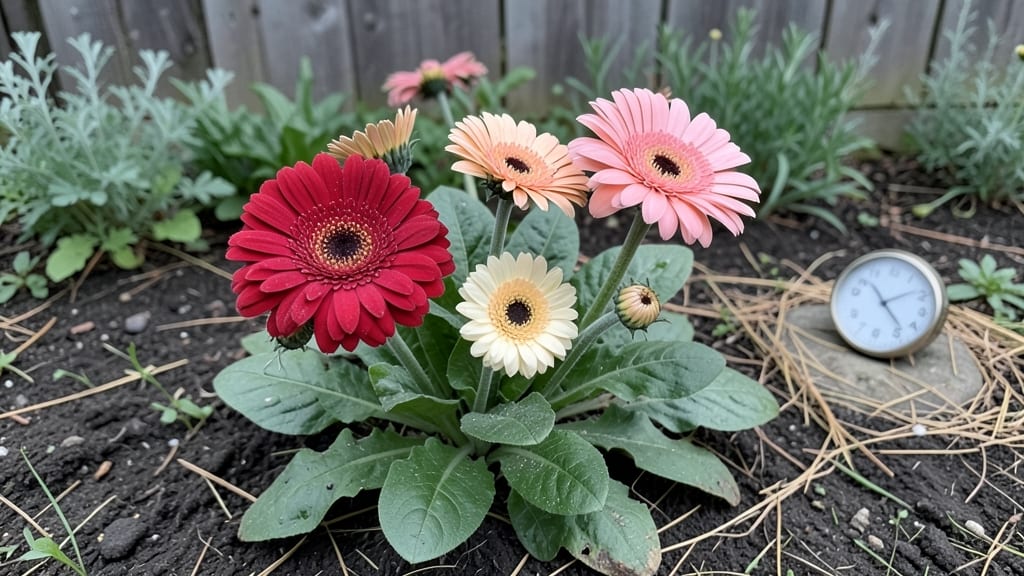
Daisies bloom for 2-4 weeks per flowering cycle, with continuous reblooming in perennial varieties like gerbera or shasta daisies across multiple seasons. Annual daisies typically flower for 4-6 weeks before seed production halts blooms.
The length of a daisy's bloom isn't just about time—it's a dance with sunlight and seasons.
Perennial daisies like shasta or gerbera can keep producing flowers for months because they adapt to changing light levels, while annuals like African marigold daisies focus all their energy on a single burst of color before setting seed. 🌸 I've noticed that cooler mornings with warm afternoons actually extend bloom life, as it slows moisture loss through the petals.
What's fascinating is how different varieties play by their own rules—some, like oxeye daisies, may bloom for just 2 weeks in a single cycle, while others, such as coneflowers, stretch their show to 6 weeks with proper care.
The key is understanding your local climate: in hotter zones, frequent deadheading becomes even more critical to prevent the plant from shifting energy toward seed production too soon.
💡 In This Article
- Daisy Flowering Cycles Explained
- Extending Daisy Blooms: Pruning and Care Tips
Daisy flowering cycles explained
Here's what's actually happening beneath those cheerful petals: daisy flowering cycles are governed by a delicate balance of photoperiod (daylight hours) and temperature thresholds. Perennial varieties like shasta daisies trigger their first bloom when daylight exceeds 14 hours, typically in late spring.
The plant's internal clock—controlled by a protein called CONSTANS—detects increasing light exposure and signals flower production. This process continues in waves throughout the growing season, with each bloom lasting 3-7 days before wilting naturally to make way for new buds.
The science gets even more interesting when you consider temperature's dual role: it both accelerates and preserves blooms. Gerbera daisies, for example, thrive in 60-75°F ranges where cooler nights (55°F) slow petal dehydration, extending each bloom's lifespan by up to 48 hours.
But push temperatures above 85°F, and you'll see blooms lasting just 24 hours as metabolic rates spike and moisture evaporates rapidly. This is why gardeners in hot climates often see shorter bloom cycles unless they provide afternoon shade.
Annual daisies take a different approach—they commit all their energy to one spectacular flowering phase. The moment they detect seed-producing conditions (usually 12+ hours of daylight combined with 70°F+ soil temps), they shift resources from petal production to seed development.
This is why African marigold daisies might give you 6 weeks of non-stop color but then suddenly stop—what you're seeing is the plant's biological clock switching gears from display to reproduction.
What most people don't realize is how soil nutrition acts as the hidden conductor of this floral symphony. A balanced 10-10-10 NPK ratio (nitrogen, phosphorus, potassium) keeps perennial daisies reblooming, while phosphorus-heavy fertilizers (5-10-5) push annuals toward earlier, more abundant flowering.
The key is maintaining consistent moisture—daisies wilted by midday often won't recover, as their petals lack the protective wax coating of succulents. 🌞
Let's talk about those "off-season" surprises: some daisy varieties have evolved clever dormancy triggers. Oxeye daisies, for instance, detect 3 consecutive nights below 40°F and enter a semi-dormant state where they'll hold buds just below the soil surface until temperatures rise again.
This built-in insurance means you might get a second bloom cycle in fall if your region has mild winters. The trade-off? These varieties often produce smaller blooms in their second flush as the plant conserves energy.
Here's a pro tip from my garden journal: the first bloom cycle is always the most dramatic because the plant is putting its best effort forward. After that, each subsequent cycle requires more coaxing—think of it like a plant's version of "second act syndrome."
That's why I always give my perennials a balanced fertilizer boost after their first major bloom to encourage that second wave of color. The payoff? A continuous display that can stretch from May through September in ideal conditions.