
Blooming
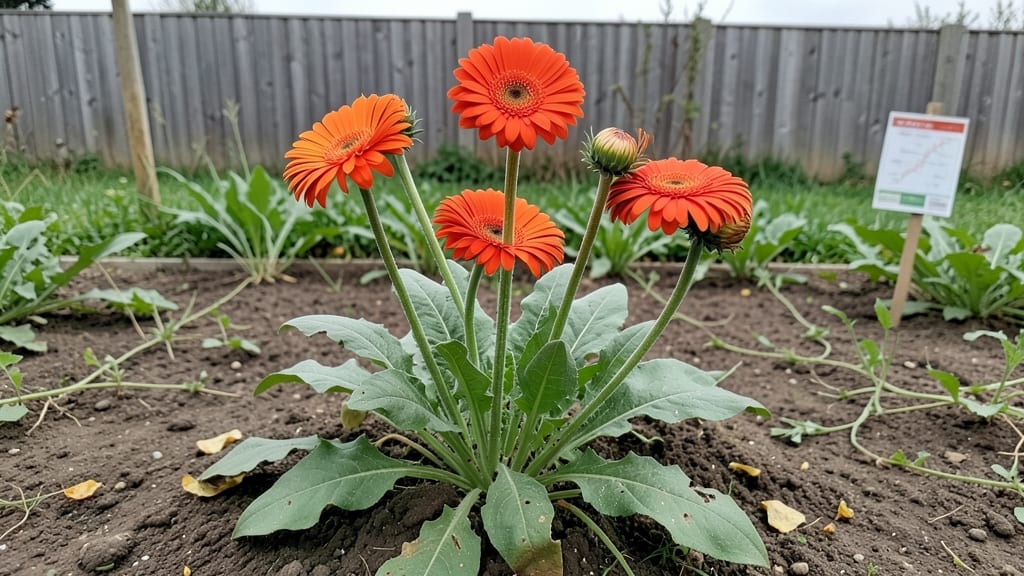
Gerbera daisies bloom primarily in late spring through early fall, with peak flowering occurring between May and September in most temperate climates. They thrive in warm weather and may produce sporadic blooms year-round in frost-free regions with consistent sunlight.
These vibrant flowers are true sun worshippers, needing at least 6 hours of direct sunlight daily to trigger their blooming cycle.
In cooler regions, they’ll often enter dormancy when temperatures dip below 50°F, but in frost-free zones like coastal California or Florida, they can flower sporadically year-round if given consistent warmth and moisture. 🌞 The key is mimicking their natural summer peak—think of them as the garden’s answer to a sunny vacation, thriving when temperatures stay between 65°F and 75°F.
What’s fascinating is how humidity plays a role—too much moisture can shorten bloom life, while dry air may cause buds to drop. I’ve found that containers with well-draining soil and occasional misting (without soggy roots) keep them looking fresh longer.
For gardeners in short-season areas, starting seeds indoors 8-10 weeks before last frost gives them a head start on that May-September glory.
💡 In This Article
- Climate and Light Requirements for Gerbera Daisy Flowering
- Extending Gerbera Daisy Blooms: Pruning and Care Tips
Climate and light requirements for gerbera daisy flowering
Gerbera daisies are photoperiod-sensitive plants, meaning their blooming cycles are triggered by specific light and temperature cues. These vibrant flowers need at least 6-8 hours of direct sunlight daily to stimulate flowering, but they also require a 12-14 hour photoperiod during their active growth phase.
The key mechanism is the plant's response to daylight length—when days start shortening in late summer, gerberas sense this change and begin preparing for dormancy. In tropical climates, where daylight remains consistent year-round, they can flower sporadically if temperatures stay warm.
The optimal temperature range for gerbera blooming is 65-75°F during the day and 55-60°F at night. Below 50°F, their metabolism slows dramatically, causing buds to drop or fail to open. This is why they thrive in summer gardens but struggle in early spring or fall.
In frost-free zones like southern Florida or coastal California, gerberas can produce 3-4 bloom cycles annually if given consistent warmth and moisture, while temperate zone plants typically have one main bloom season with occasional late-season flowers if summer lingers.
Humidity plays a surprising role in both blooming triggers and flower longevity. Gerberas native to South Africa's highveld regions evolved in 40-60% humidity environments—too much moisture weakens stems and encourages fungal diseases, while dry air can cause buds to desiccate before opening.
I've noticed that in low-humidity climates like Arizona, gerberas often need daily misting or pebble trays to maintain bloom health. The trade-off is fascinating: while higher humidity can extend individual flower life by 5-7 days, it may reduce overall bloom count if roots stay too wet.
Light quality matters too—gerberas prefer full-spectrum sunlight with UV exposure, which helps develop their signature vibrant colors. In shaded conditions, flowers may open paler and last shorter. Here's what happens under different light scenarios:
- Full sun (6+ hours): Maximum blooming with 3-5 flowers per stem and 2-3 week bloom cycles
- Partial shade (3-4 hours): Reduced blooming (1-2 flowers per stem) with 10-14 day flower life
- Low light (<3 hours): Minimal flowering, leggy growth, and bud drop
The dormancy cycle in cooler months is actually a survival adaptation. When nights drop below 55°F consistently, gerberas shift resources from flowering to root development. This is why you'll see leaf yellowing in fall—it's not disease, but the plant preparing for winter.
In containers, this dormancy can be delayed by moving plants to protected microclimates or using row covers to extend the growing season by 4-6 weeks.
What most gardeners don't realize is that gerberas in containers actually have more predictable blooming than in-ground plants. Container-grown specimens experience less temperature fluctuation and can be moved to optimal sun exposure daily.
The trade-off is increased watering needs—containers dry out 2-3 times faster than garden beds, which can stress plants during their critical blooming phase. 🌸