
Blooming
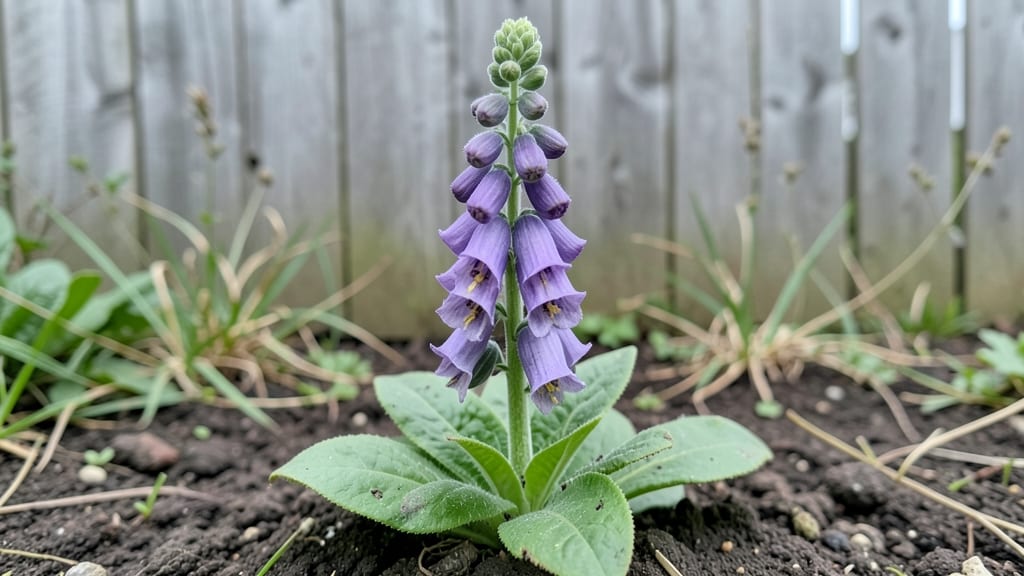
Foxglove blooms last 4 to 6 weeks per stalk once opened, with individual flowers lasting 7 to 10 days before wilting. Peak blooming occurs in late spring to early summer, though timing varies by climate and variety. Deadheading spent flowers extends the season by encouraging new blooms.
Foxglove’s showstopping display depends heavily on its growing conditions—cooler climates often stretch that 4 to 6 week window even longer, while heat can accelerate wilting. 🌿 I’ve noticed that Digitalis grandiflora varieties tend to hold their color better in partial shade, while Digitalis purpurea thrives in full sun but may need consistent moisture to prevent early browning.
The key is balancing sunlight and hydration, as both extremes can cut bloom time short.
What’s fascinating is how foxglove’s staggered blooming works—lower flowers open first, creating a vertical cascade that lasts weeks, even as individual blossoms fade after just 7 to 10 days.
This built-in succession is why gardeners swear by deadheading (removing spent blooms), which tricks the plant into redirecting energy to fresh flowers rather than seed production.
💡 In This Article
- Foxglove Bloom Duration by Variety and Climate
- Extending Foxglove Blooms: Pruning and Care Tips
Foxglove bloom duration by variety and climate
Here's what's actually happening with foxglove's bloom cycle: Digitalis purpurea (common foxglove) typically produces its dramatic 5-inch flowers over 4-5 weeks per stalk, while Digitalis grandiflora (yellow foxglove) often blooms slightly longer—5-6 weeks—thanks to its thicker stems that store more moisture.
The key difference lies in their native habitats: grandiflora evolved in cooler, moister European mountain regions where slower metabolic processes naturally extend bloom duration.
Temperature plays a critical role in flower senescence (the natural aging process). Research shows foxglove blooms last 30-50% longer in regions with average daytime temperatures between 60-75°F (like Pacific Northwest gardens) compared to hotter climates where they may wilt in just 3-4 weeks.
High temperatures above 85°F accelerate ethylene gas production—hormones that trigger wilting—while nights below 50°F can cause buds to abort before opening. 🌿 The ideal scenario is what gardeners call "cool nights, warm days," which is why foxglove thrives in USDA zones 4-8.
Sunlight requirements create another fascinating variation. Digitalis purpurea needs full sun (6+ hours daily) to produce its signature tall spikes, but too much direct sun in hot climates can cause flowers to open prematurely and last only 5-7 days instead of the full 7-10 days.
In contrast, Digitalis grandiflora prefers partial shade (3-4 hours sun), which preserves its petals' vibrant yellow color and extends individual bloom life by 2-3 days. This is why shade-grown specimens often continue flowering into early summer when sun-exposed plants begin fading.
The reblooming phenomenon in some varieties comes down to genetics and care. Biennial types like Digitalis ferruginea (rusty foxglove) may produce a second flush of flowers if given consistent moisture and low-nitrogen fertilizer after the first bloom cycle.
What most people don't realize is that foxglove's seed pods contain natural growth inhibitors—when you remove spent flowers (deadheading), you're essentially removing these chemical signals that would otherwise trigger dormancy. This explains why properly maintained plants can continue producing new blooms for 6-8 weeks total in optimal conditions.
Consider these climate-specific bloom timelines for common varieties:
- Digitalis purpurea: 4-5 weeks in cool climates (60-70°F avg), 3-4 weeks in hot climates (80°F+)
- Digitalis grandiflora: 5-6 weeks in partial shade, 4 weeks in full sun
- Digitalis obscura: 3-4 weeks (earlier bloomer, often late spring)
The science behind flower longevity involves a complex interplay of water transport and pigment stability. Foxglove petals contain anthocyanin pigments that degrade faster under UV exposure—this is why white-flowered varieties like 'Alba' often last 1-2 days longer than purple ones.
Meanwhile, the plant's vascular system must maintain 90%+ water content in petals to prevent wilting; drought stress reduces this to 70% or less, causing premature drooping. 💫