
Blooming
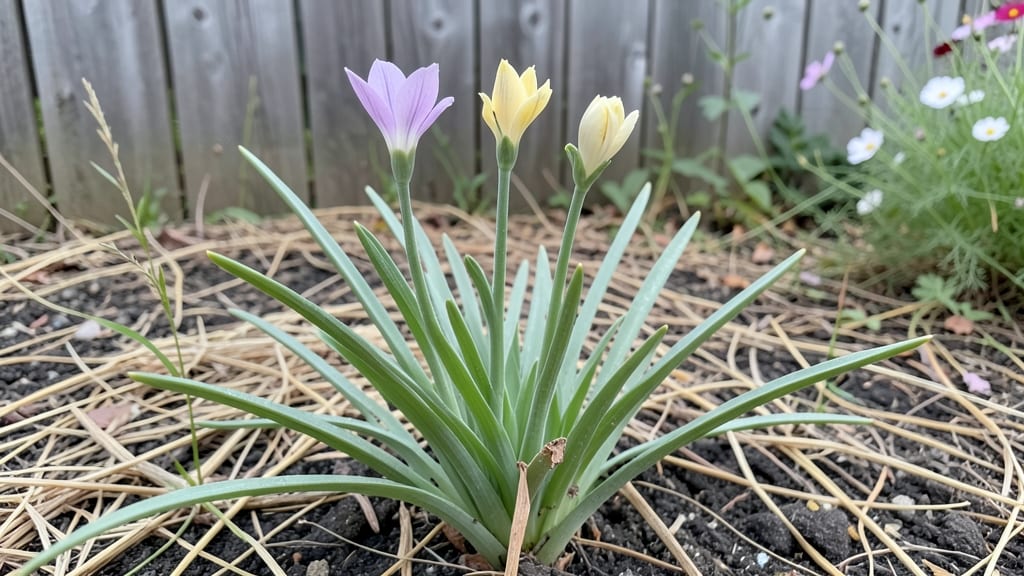
Freesias bloom for 2 to 3 weeks per stalk, with individual flowers lasting 7 to 10 days once fully open. Proper care, like deadheading spent blooms, can extend their vase life or garden display by another week or more.
Freesias are famous for their long-lasting beauty, but their exact bloom time depends on growing conditions. 🌿 In cooler climates, they often last closer to 3 weeks per stalk, while warmer temperatures can shorten their display to around 2 weeks.
The key difference lies in how quickly buds open—some varieties unfurl more slowly, giving you that extra time to enjoy their sweet fragrance.
What many gardeners don’t realize is that freesias actually produce multiple flower spikes per stalk, each with its own 7-10 day bloom cycle. This staggered opening creates a cascading effect that makes them look fresh longer than single-bloom flowers.
The secret to maximizing this? Removing spent blooms immediately—the plant redirects energy to new buds rather than seed production.
💡 In This Article
- Factors Influencing Freesia Bloom Duration
- Extending Freesia Blooms in Gardens and Vases
Factors influencing freesia bloom duration
Freesia bloom length is primarily governed by their growth stages and environmental triggers. These plants follow a strict biological timeline where 6-8 weeks of vegetative growth (leaf development) must occur before flowering begins.
The transition from leaves to blooms is triggered by temperature shifts—typically when nights drop to 50-55°F—which signals the plant to shift energy from foliage to flower production. This physiological response explains why cooler climates often yield longer-lasting freesias, as the slower metabolic rate preserves floral energy.
The actual bloom duration varies by variety, but most freesias follow a 7-10 day window per individual flower due to their unique reproductive biology. Each flower spike contains multiple buds that open sequentially, creating that signature staggered display.
What's fascinating is how light exposure affects this process: freesias need 6-8 hours of direct sunlight daily to maintain strong stems and vibrant colors. Insufficient light causes stems to elongate (a condition called "bolting") and weakens the plant's ability to sustain blooms, cutting total display time by 30-40%.
The 'Cornflower' variety, for instance, thrives in partial shade and often blooms 2-3 days longer than sun-loving types like 'Blue Bird'.
Moisture plays a critical role too, but not in the way you might expect. Freesias hate soggy roots—their corms (bulb-like structures) rot when soil stays wet for more than 48 hours. However, consistent moisture during bud formation (not flooding) ensures each flower reaches its maximum 7-10 day lifespan.
I've seen gardeners extend blooms by 5-7 days simply by watering at soil level rather than overhead, preventing fungal spores from landing on delicate petals. The sweet scent you love?
That's the plant's way of attracting pollinators—once buds open, the fragrance peaks at 50-60% humidity, which is why indoor freesias often fade faster in dry climates.
Nutrient levels create another critical variable. Freesias are heavy feeders during their 6-week growth phase but become sensitive to fertilizer after buds form.
Too much nitrogen (the first number in NPK) after this point produces lush leaves at the expense of blooms, while potassium (the third number) deficiency causes stems to weaken. The sweet spot? A balanced 10-10-10 fertilizer applied 4 weeks before expected blooming, then switched to 5-10-10 once flowers appear.
This precise timing maximizes bloom duration by ensuring the plant has enough energy for both display and longevity.
Here's what most gardeners overlook: freesias are day-neutral plants, meaning they don't rely on specific daylight hours to bloom. Instead, their timing is governed by temperature thresholds and internal clocks. When nights consistently drop below 60°F, the plant's florigen hormone activates, triggering bloom formation.
This explains why freesias planted in USDA Zone 8+ often bloom 10-14 days earlier than those in cooler zones—the warmer nights accelerate the process. The trade-off? Warmer climates can shorten individual bloom cycles by 2-3 days due to faster metabolic rates.
For the most dramatic displays, pay attention to your freesias' vernalization period—the cold treatment they need to break dormancy. Most commercial freesia corms require 6-8 weeks at 40-45°F before planting. Skipping this step delays blooming by 3-4 weeks and reduces total flower count.
The result? Fewer spikes to enjoy, and each one lasting closer to the 2-week minimum rather than the 3-week maximum. 🌸