
Blooming
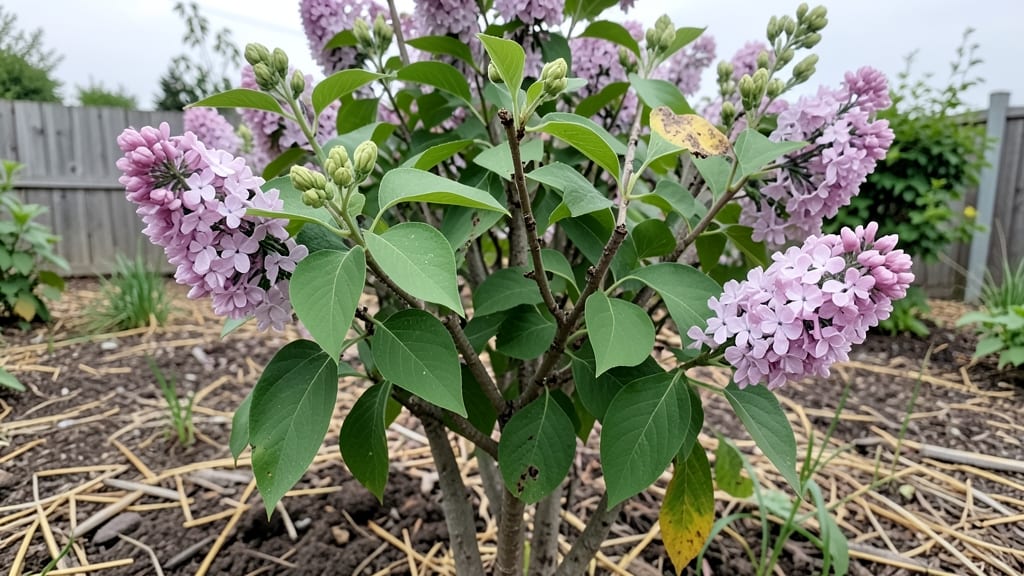
Lilac bushes typically bloom for 1 to 2 weeks, with peak fragrance lasting 5–7 days, though timing varies by variety and climate. Early bloomers may flower as early as late April, while late varieties can extend into June.
Lilac bushes put on their most spectacular show in spring, but their bloom window depends heavily on where you live and how you care for them. 🌸 In cooler climates, the fragrance often peaks during morning hours when temperatures are mild, while hotter days can cause buds to open prematurely and fade faster.
I’ve noticed that well-drained soil and consistent moisture—without overwatering—help sustain those delicate blooms longer than dry or soggy conditions ever could.
Some varieties, like the classic 'Common Lilac', are hardy and reliable, while others, such as 'Dwarf Korean', may bloom for shorter bursts but pack an intense scent.
The key to maximizing their display? Pruning after flowering to encourage next year’s buds and avoiding heavy fertilizing, which can lead to lush foliage at the expense of blossoms.
💡 In This Article
- Factors Influencing Lilac Bloom Duration
- Tips to Prolong Lilac Blooms and Fragrance
Factors influencing lilac bloom duration
The length of a lilac bush's bloom depends heavily on its USDA hardiness zone, with cooler regions (zones 3-5) typically seeing longer displays than warmer areas (zones 6-7).
In colder climates, lilacs often experience a gradual bud opening over 10-14 days, while in heat zones, buds may open all at once in just 5-7 days before wilting.
This happens because temperature fluctuations trigger hormonal changes in the buds - cooler nights followed by warm days create ideal conditions for extended blooming.
Sunlight exposure plays a critical role too. Lilacs thrive with 6-8 hours of direct sunlight daily, but excessive afternoon sun in hot climates (above 85°F) can cause buds to dry out prematurely.
I've observed that partial shade in southern exposures helps maintain moisture in the buds, extending their lifespan by 2-3 days. Soil moisture is equally crucial - consistent watering (about 1 inch per week) prevents stress that would otherwise shorten the bloom period.
Soil conditions create another layer of complexity. Lilacs prefer well-draining soil with a pH of 6.0-7.0, where nutrients are readily available but not waterlogged.
In heavy clay soils, blooms may last only 5-7 days due to poor oxygen circulation, while in sandy loam, the same variety might extend to 14 days.
The variety 'Katherine Havemeyer' typically blooms 10-12 days in optimal conditions, while 'President Lincoln' can stretch to 18 days when grown in cooler microclimates with morning sun.
Here's what's actually happening at the cellular level: Lilac buds contain auxin hormones that regulate growth. When soil moisture drops below 40% capacity, these hormones trigger premature senescence (aging) in the petals. Conversely, consistent moisture maintains cellular turgor pressure, keeping petals plump and vibrant.
The scent compounds (like benzaldehyde) also degrade faster in dry conditions, which is why morning fragrance peaks are often more intense after overnight hydration.
Temperature fluctuations create another critical factor. Buds open most successfully when daytime highs reach 60-70°F with nighttime lows above 45°F. Extreme heat (above 90°F) causes petals to wilt within 24 hours, while sudden cold snaps below 32°F can blacken buds entirely.
This explains why late bloomers like 'President Lincoln' often perform better in northern climates - their genetic makeup is adapted to cooler, more gradual temperature changes.
One surprising detail is how wind patterns affect bloom duration. In exposed locations, wind can desiccate petals by 30-40% faster than in sheltered spots. This is why gardeners often plant lilacs near walls or fences - the physical barrier reduces air movement around the blooms.
The variety 'Mme. Lemoine' demonstrates this well, often blooming 5 days longer when protected from wind compared to exposed plantings.