
Blooming
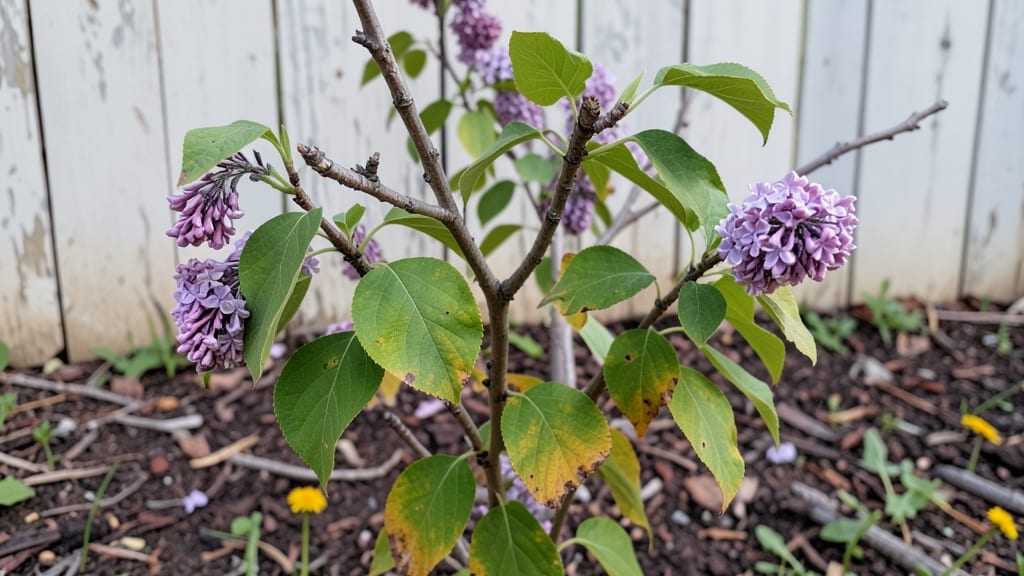
Your lilac bush blooming in fall isn't a mistake—it's a sign you've got the right variety or climate conditions working in your favor. 🌿 I've seen this happen with older bushes and certain types like 'Belgica' that naturally push blooms later in the season, especially when summers are hot and winters mild.
The secret lies in how you prune and when. Most gardeners cut back right after spring blooms, but for fall flowering, you'll want to hold off until right after the second flush—or skip pruning entirely if you want more blooms.
This trick works best in zones 5-7 where summers linger warm enough to trigger a second growth cycle.
What you'll end up with is that intoxicating fragrance wafting through crisp autumn air when most gardens have gone quiet. The blooms might be smaller than spring's showstops, but they're just as sweet-smelling and perfect for cutting.
Just be ready to protect them from early frosts if they linger too late.
This works particularly well for established bushes over five years old, though younger plants can sometimes surprise you too. The key is patience—fall blooms often mean the bush is storing energy for next spring's bigger display. Keep an eye on your local hardiness zone for best results.
Why it happens
When your lilac bush surprises you with fragrant blooms in the fall instead of spring, it’s not just a whimsical twist of nature—it’s often a response to specific environmental or horticultural cues.
Understanding these triggers can help you replicate (or adjust) the effect intentionally. Let’s dive into the key reasons behind this seasonal shift.
🌡️ Warm Fall Temperatures
Lilacs (Syringa spp.) are dormant in summer due to heat stress, but if fall brings unseasonably warm days (above 70°F/21°C) followed by cooler nights, it can break dormancy prematurely.
This temperature fluctuation mimics spring conditions, signaling the bush to push out buds. Actionable tip: If you want fall blooms, choose late-blooming varieties like Syringa meyeri (Palibin lilac), which naturally thrive in mild autumn climates.
💧 Inconsistent Watering Patterns
Lilacs are drought-tolerant but hate fluctuating moisture levels.
If your bush experiences drought stress in summer followed by sudden watering in fall, it may interpret this as a "reset" and produce blooms. Why? The shock of rehydration can stimulate hormonal changes (like increased ethylene gas production) that trigger flowering. Pro tip: To encourage this, water deeply in late summer (1–2 inches per week) and reduce in early fall to create a mild stress response—then reintroduce moisture just before the first cool snap.
✂️ Pruning Mistakes
Pruning at the wrong time can confuse a lilac’s growth cycle.
If you prune after the first flush of spring blooms (typically June) but leave some old wood intact, the bush may mistake fall for late spring and produce a second, weaker bloom. Key detail: Lilacs flower on old wood, so aggressive summer pruning removes next year’s buds. Fix it: Prune only after fall blooms fade (or not at all) to preserve the bush’s natural rhythm.
🌱 Over-Fertilization or Soil Shifts
Lilacs are light feeders, and too much nitrogen or phosphorus in fall can disrupt their dormancy cycle.
If your soil suddenly becomes richer (e.g., from compost or fertilizer), the bush may interpret it as a signal to grow and bloom outside its usual schedule. Science note: Excess phosphorus can delay dormancy, while nitrogen spikes can trigger abortive blooms (buds that form but don’t open). Solution: Use a low-phosphorus, balanced fertilizer (like 10-10-10) in early spring only, and avoid fall applications.
🌿 Stress-Induced Blooming
Lilacs are stress-sensitive plants, and certain disruptions—like transplant shock, root damage, or even pest infestations—can trigger a survival response: premature flowering. How? The bush prioritizes reproduction over growth when stressed, releasing florigen (a flowering hormone) early. Watch for: Yellowing leaves, stunted growth, or sawfly larvae (common lilac pests). Action: Address stress factors (e.g., mulch roots, treat pests with neem oil) to restore balance—but if you want fall blooms, a controlled stress (like root pruning in early summer) can sometimes work.
Revive Late-Season Lilac Blooms
If your lilac bush is defying the seasons and blooming in fall—when it should be resting—don’t panic! This unexpected burst of color can be managed with the right approach.
Below, we’ll tackle the most common causes and provide practical, step-by-step solutions to encourage (or curb) this late-season display while keeping your bush healthy and vibrant for years to come.
🌿 Too Much Nitrogen: Over-Fertilizing Woes
If your lilac is blooming late because of excessive nitrogen, it’s essentially overfed and confused about when to rest. Too much nitrogen promotes leafy growth at the expense of blooms and disrupts the plant’s natural dormancy cycle.
🔥 Fix It: Adjust Your Fertilizer Game
- 🍳 Stop the Nitrogen Feast: Avoid high-nitrogen fertilizers (like those with a first number like 10-5-5) in late summer and fall. Switch to a low-nitrogen, high-phosphorus fertilizer (e.g., 5-10-10 or 3-4-6) to support root and bloom development without overstimulating growth.
- 👨🍳 Prune Strategically: After the late bloom fades, prune back any spent flower stalks to redirect the plant’s energy toward root strengthening for next season. Use clean, sharp shears to avoid damaging the main stems.
- 🥘 Test Your Soil: Conduct a soil test to check nitrogen levels. If the soil is already rich in nitrogen, skip fertilizing entirely in the fall. Amend with compost or organic matter to improve soil health without adding extra nitrogen.
💡 Prevention Tips
- ✨ Time Your Fertilizer: Apply fertilizer in early spring (just as new growth begins) and avoid feeding after mid-summer. Lilacs thrive on a "feed-and-rest" cycle.
- 🌡️ Use Organic Alternatives: Opt for slow-release organic fertilizers like bone meal or fish emulsion, which provide balanced nutrients without spiking nitrogen levels.
🍂 Late Pruning: Missed Cues for Dormancy
Pruning lilacs at the wrong time—especially after early summer—can trick the plant into thinking it’s spring, prompting a second (or third!) round of blooms. This disrupts the bush’s natural dormancy period, leaving it vulnerable to cold and stress.
🔪 Fix It: Prune on a Schedule
- ⏰ Prune Right After Blooming: The best time to prune lilacs is immediately after the spring bloom fades (late May to early June). This ensures the plant has time to harden off before winter.
- 🌸 Avoid Summer Trims: Never prune lilacs in late summer or fall, as this encourages new growth that won’t harden before winter. If you must shape the bush, do so lightly in early spring before buds swell.
- 🎯 Shape with Purpose: Focus on removing dead, crossing, or overly crowded branches rather than heavy thinning. Lilacs bloom on old wood, so aggressive pruning reduces next year’s flowers.
💡 Prevention Tips (2)
- 📊 Mark Your Calendar: Set a reminder to prune lilacs in late spring. Avoid the temptation to tidy up in fall—patience pays off!
- 🌿 Use a Pruning Guide: Follow a simple rule: "Prune lilacs when the forsythia blooms are gone." This ensures you’re timing it perfectly.
🌡️ Warm Fall Weather: Confusing the Plant’s Clock
Unseasonably warm fall temperatures can fool lilacs into thinking it’s still summer, triggering a late bloom. While this might seem like a bonus, it weakens the plant and can lead to frost damage if a cold snap hits unexpectedly.
🌡️ Fix It: Protect and Prepare for Winter
- 🍂 Mulch Like a Pro: Apply a 3-inch layer of mulch around the base of the bush (but not touching the trunk) to insulate roots and regulate soil temperature. Use shredded bark or straw for best results.
- 🌧️ Water Deeply Before Frost: Give your lilac a deep watering in late fall to encourage root growth and help it withstand winter. Avoid overhead watering, which can promote fungal issues.
- 🏠 Provide Light Cover: If your region experiences harsh winters, drape a breathable frost cloth over the bush after the first hard frost. Remove it during the day to prevent moisture buildup.
💡 Prevention Tips (3)
- ✨ Choose Cold-Hardy Varieties: If late blooms are a recurring issue, opt for lilac varieties known for their cold tolerance, such as ‘Dwarf Korean’ or ‘Miss Canada’.
- 🌿 Monitor Weather Trends: Keep an eye on fall forecasts. If warm spells are predicted, be prepared to protect your lilac with temporary covers or shade cloth.
🦠 Pest or Disease Stress: Forced Blooming as a Survival Tactic
Sometimes, lilacs bloom late as a response to stress from pests (like borers or aphids) or diseases (such as powdery mildew). The plant may push out flowers as a last-ditch effort to reproduce before declining further.
🦠 Fix It: Treat the Root Cause
- 🔍 Inspect for Pests: Look for signs of borers (sawdust-like frass at the base of stems), aphids (sticky residue on leaves), or spider mites (fine webbing). Treat with neem oil or insecticidal soap as directed.
- 🌿 Prune Out Infected Branches: Remove and destroy any branches showing signs of disease (black spots, powdery residue, or dieback). Sterilize your pruners with rubbing alcohol between cuts.
- 💊 Apply Fungicides Early: If powdery mildew is the culprit, spray with a copper-based fungicide in early spring to prevent outbreaks. Ensure good airflow around the bush by pruning densely packed branches.
💡 Prevention Tips (4)
- 🌡️ Improve Air Circulation: Space lilacs at least 3–4 feet apart to reduce humidity and prevent fungal growth.
- 🌿 Water at the Base: Always water lilacs at the soil level to keep foliage dry, which deters pests and diseases.
🌟 Final Thought: Embrace the Unusual
While late blooms might seem like a problem, they can also be a sign of a healthy, resilient lilac bush! Use these solutions to guide your plant back into its natural rhythm, and soon, it’ll reward you with show-stopping spring blooms instead of fall surprises. Happy gardening! 🌸
Frequently asked questions
Why does my lilac bush bloom in fall instead of spring?
Fall blooms often happen due to warm autumn temperatures mimicking spring conditions or pruning mistakes that confuse the plant’s natural cycle. Some varieties like 'Belgica' or 'Syringa meyeri' naturally produce late blooms, especially in mild climates. Warm nights and inconsistent watering can also trigger this unexpected growth!
How can I encourage my lilac to bloom in fall intentionally?
Start by avoiding summer pruning—wait until after spring blooms to shape your bush. Water deeply in late summer but reduce moisture in early fall to create mild stress. Choose late-blooming varieties or let established bushes over five years old surprise you with their natural resilience.
Is fall blooming harmful to my lilac bush?
Not necessarily! While late blooms might weaken the plant, they’re often a sign of good health. However, protect delicate flowers from early frosts and avoid fertilizing—it can disrupt dormancy. Focus on mulching and deep watering to help your bush prepare for winter instead.
What should I do if my lilac blooms too late and gets damaged by frost?
If frost hits, cover blooms with lightweight fabric to shield them. After the danger passes, prune damaged stems back to healthy growth. For next year, choose cold-hardy varieties like 'Dwarf Korean' or adjust your pruning schedule to avoid late-season stress.