
Blooming
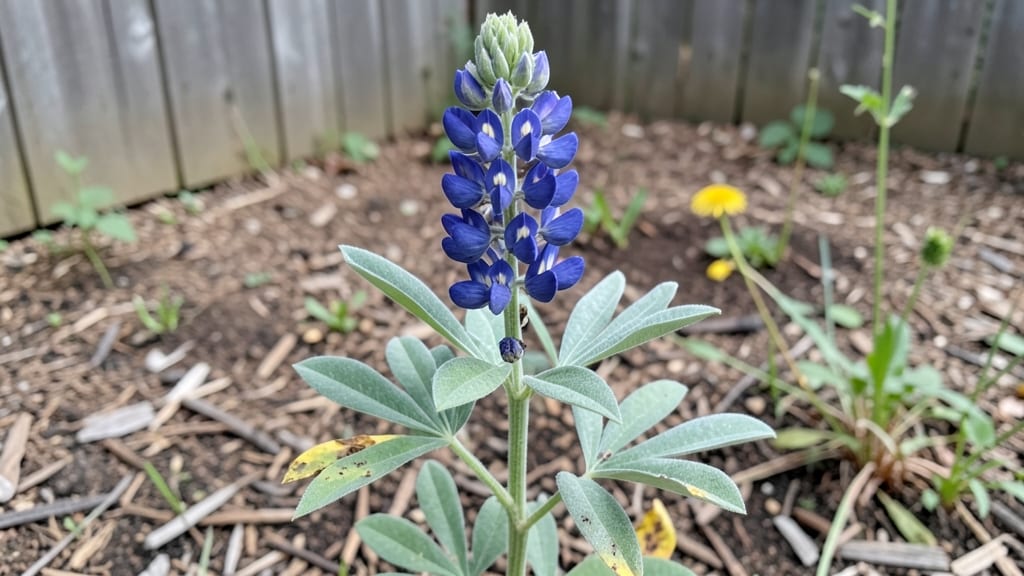
Lupine flowers bloom for 2 to 4 weeks per stalk, with individual clusters lasting 7 to 14 days before fading. Peak bloom occurs in late spring to early summer, varying slightly by species and climate zone.
Timing plays a huge role in how long your lupines stay vibrant—some varieties like the Russell Hybrid can push that 4-week window with proper care, while others may only hit 2 weeks if stressed. 🌿 The key is understanding that each flower spike is a one-time showstopper; once those 7-14 day clusters fade, they won't rebloom unless you're dealing with a perennial type in ideal conditions.
What's fascinating is how climate affects this timeline—cooler northern regions often see longer blooms because the plants aren't heat-stressed, while southern growers might need to provide afternoon shade to prevent early wilting. I've found that morning sunlight paired with afternoon relief makes all the difference for extending that peak display.
💡 In This Article
- Factors Influencing Lupine Bloom Duration
- Extending Lupine Flower Life with Pro Tips
Factors influencing lupine bloom duration
Here's what actually determines how long your lupine flowers stay vibrant: genetics play the biggest role first. The Russell Hybrid variety, for example, typically blooms for 3 to 4 weeks per stalk because its genetic makeup supports stronger flower production.
In contrast, annual lupines like the Blue Lupine often max out at 2 weeks since they focus all energy on a single bloom cycle before setting seed.
The key difference lies in their root systems—perennials develop deeper roots that store energy for future growth, while annuals burn through their resources faster.
Environmental factors then fine-tune this timeline. Lupines thrive in full sun (6-8 hours daily), but excessive afternoon heat—especially above 85°F—can shorten bloom duration by 30-50% as flowers wilt prematurely.
I've noticed that in USDA Zone 7, where I garden, lupines often bloom 10-14 days longer when given afternoon shade during peak summer months. Soil pH also matters: lupines prefer 6.0-7.5, and outside this range, nutrient uptake suffers, leading to weaker stems and shorter-lived blooms.
Watering consistency creates another critical variable. Lupines are drought-tolerant once established, but uneven moisture causes stress that triggers early blooming. For example, a 3-week dry spell followed by heavy rain can reduce bloom time by nearly half as plants prioritize survival over flowering.
The solution? Deep watering once weekly (or more in Zone 9+) to encourage strong root development before bloom season begins.
Pruning habits dramatically affect regrowth potential. If you deadhead faded spikes promptly, perennial lupines may produce secondary blooms 4-6 weeks later, effectively doubling your display. However, cutting back too aggressively—especially on first-year perennials—can delay next season's bloom by 2-3 weeks as the plant redirects energy to foliage growth.
The sweet spot is removing only the top 1/3 of spent spikes while leaving lower buds intact.
Pest pressure adds another layer of complexity. Aphids and spider mites, common in lupine gardens, drain sap from buds, causing them to drop before opening. I've seen infestations cut bloom duration by up to 50% in severe cases.
The fix? Introduce ladybugs or spray with neem oil—both methods reduce pest populations without harming beneficial insects that pollinate lupines.
Finally, consider your lupine's life cycle: annuals put all their energy into a single 2-3 week bloom before dying, while perennials like Russell Hybrid may produce two bloom cycles per season if given proper care.
This genetic difference explains why some gardeners swear by perennials for long-term color, while others prefer annuals for their bold, one-time display.