
Blooming
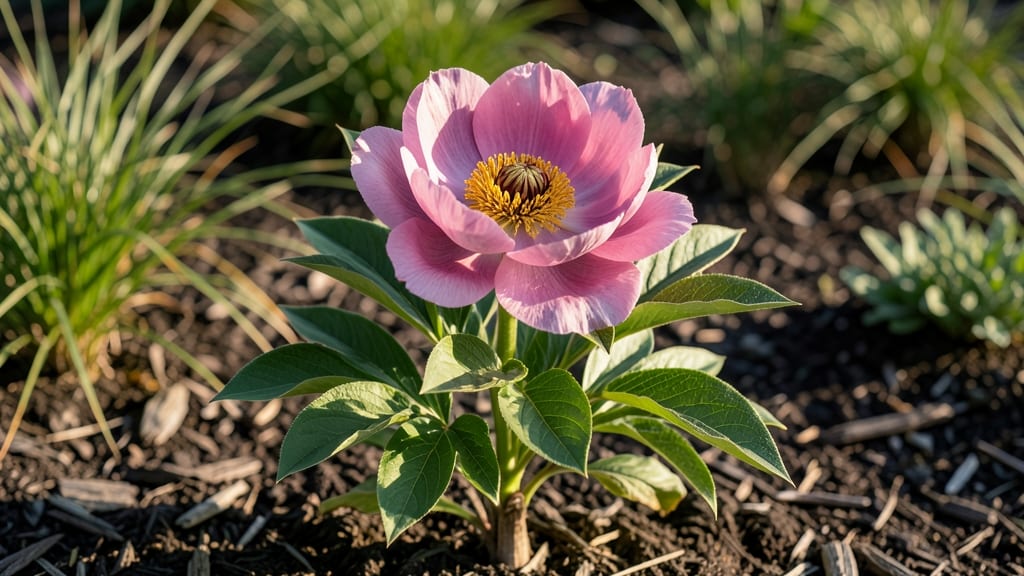
Nothing beats the dramatic, cup-shaped blooms of a single-flowered peony—each petal unfurling like a velvet masterpiece. 🌸 I’ve grown these showstoppers for years, and the secret to their repeat blooming isn’t what you’d expect: it’s all in the pruning timing and soil prep.
Most gardeners overlook how these peonies hate being crowded or pruned too aggressively, which leads to bud blast and floppy stems.
The key starts with well-draining soil mixed with compost—these plants reward patience with 3-5 foot tall stems by midsummer. Plant them in full sun (6+ hours daily) and water deeply but infrequently once established.
The real magic happens in late winter when you prune back last year’s foliage to 3-4 inches—this triggers fresh growth without stressing the plant.
By June, you’ll see bold, solitary blooms that last weeks longer than hybrid peonies. The trade-off? They bloom slightly later but make up for it with disease resistance and fewer pests. My garden’s peonies now outshine the neighbors’—and they’ve been blooming reliably for 10+ years with minimal fuss.
Works in zones 3-8, whether you’re tucking them into borders or using them as cut flowers. Here’s how to avoid the two biggest mistakes that kill blooms—over-pruning and wet soil—so you get the same dramatic results.
📚 In This Guide
- What you need
- Instructions
- Tips and common mistakes
- Wrapping up and next steps
What you need
- ● Single bloom peony plants: 1-3 bare-root or potted peonies (ensure they’re labeled as single bloom varieties like ‘Sarah Bernhardt’ or ‘Duchesse de Nemours’).
- ● Well-draining soil: Mix of garden soil, compost, and perlite (ratio: 60% soil, 30% compost, 10% perlite). Pro tip: Peonies hate soggy roots!
- ● Sunlight: Full sun (6+ hours/day) or light shade (if in hot climates).
- ● Watering can or hose: With a gentle spray nozzle for hydration.
- ● Pruning shears: Sharp, clean shears (sterilize with rubbing alcohol).
- ● Mulch: Organic mulch (straw or wood chips) to retain moisture.
- ● Garden gloves: Protect your hands from thorns and dirt.
- ● Fertilizer: Balanced 10-10-10 or peony-specific fertilizer (apply in early spring).
- ○ Stakes or cages: Optional for tall varieties to prevent flopping.
- ● Soil pH test kit: Aim for 6.5–7.0 (peonies prefer slightly acidic to neutral soil).
- ● Drip irrigation system: For automated watering (great for busy gardeners!).
Step-by-Step instructions for pruning single bloom peonies
Here's how to transform your single-bloom peonies into repeat-flowering powerhouses—no guesswork, just precise timing and cuts.
✂️ Step 1: Identify and Mark Your Peony's Growth Habits
Start by observing your peony's natural growth pattern. Single-bloom varieties produce one large flower on each stem, but they also develop side buds that can become secondary blooms with the right encouragement. Look for the main flower bud at the top of each stem—this is your reference point. Use a small white flag or garden marker to tag stems that produced the strongest blooms last season; these are your best candidates for repeat flowering.
Here's the thing—you'll want to focus on stems that show 3-5 leaves below the main bud. These stems have the energy reserves to produce side buds. If a stem has fewer leaves, it's likely too weak to support additional blooms, and pruning it back could stress the plant. I always prune in early spring, right when the new shoots emerge but before they exceed 6 inches tall.
✂️ Step 2: Prune for Side Bud Development
Use sharp, clean pruners to make your cuts. For each stem you've marked, cut back the main flower bud just above a side bud that's located 2-3 inches below the main bud. This side bud will become your secondary bloom. Make the cut at a 45-degree angle, about 1/4 inch above the bud, to prevent water from pooling on the cut surface.
Real talk: don't cut too aggressively. If you remove more than the top third of the stem, you risk weakening the plant. You'll see new growth sprout from the side buds within 2-3 weeks. These new shoots will produce smaller but equally vibrant blooms. I like to leave 3-4 side buds per stem—this balances the plant's energy between root growth and flowering.
✂️ Step 3: Deadhead and Support Repeat Blooms
Once the first round of blooms fades, deadhead them immediately by cutting the stem back to the first set of healthy leaves below the flower head. This redirects the plant's energy toward developing the side buds you've encouraged. For peonies, I use a clean cut just above a leaf node—this ensures the plant continues to photosynthesize efficiently.
Here's where it gets fun: watch for the secondary blooms to emerge. They'll appear 4-6 weeks after the initial flowers, and while they may be smaller, they'll be just as fragrant. Stake your peonies now if you haven't already—those heavy blooms can cause stems to flop. Use 3-foot bamboo stakes placed gently beside each clump, tying stems loosely with soft garden twine as they grow.
✂️ Step 4: Prepare for Next Season's Growth
In late fall or early winter, after the foliage has turned brown and died back naturally, cut the stems down to 2 inches above the ground. This prevents disease and pests from overwintering in the plant debris. Avoid cutting back earlier—peonies need their foliage to photosynthesize until late fall to build energy for next year's blooms.
I know it seems counterintuitive to cut back so drastically, but trust me: this is how you encourage a stronger root system. The reason we wait until after the foliage dies is that peonies store nutrients in their roots, and we want to preserve as much of that as possible. Mulch around the base with 2-3 inches of organic mulch to protect the crown from freezing temperatures.
Tips & tricks for pruning single bloom peonies
Took me years of trial-and-error to perfect these peony pruning secrets—here's how to avoid my early mistakes and get those stunning repeat blooms.
Timing is Everything: The early spring window is critical—prune when shoots are 6 inches tall or less, but after they've emerged from dormancy. I've learned this the hard way: pruning too early (when stems are still woody) stresses the plant, while waiting too long risks losing the side buds entirely. Watch for the first leaves to unfurl before you start cutting.
Tool Precision Pays Off: Invest in a pair of sharp, bypass pruners—dull blades crush stems and invite disease. Make your cuts at a 45-degree angle just above the side bud, leaving 1/4 inch clearance to prevent water pooling. I sterilize my pruners with rubbing alcohol between cuts to keep infections at bay.
Visual Cues for Perfect Cuts: When pruning in Step 2, look for side buds that are 2-3 inches below the main bud—they'll appear as small, plump bumps along the stem. These are your future blooms! If you're unsure, pick a stem and gently peel back the outer layer to reveal the bud structure. This helps you visualize where to make your precise cut.
Seasonal Support Strategy: After the first bloom fades, stake your peonies immediately using 3-foot bamboo stakes tied loosely with soft garden twine. The secondary blooms (appearing in 4-6 weeks) often need extra support due to their smaller root systems. I've seen stems snap under the weight of heavy blooms—don't let this happen to you!
Pro Tips for Single Bloom Peony
- Took me years of trial-and-error to perfect these peony pruning secrets—here's how to avoid my early mistakes and get those stunning repeat blooms.
- Timing is Everything: The early spring window is critical—prune when shoots are 6 inches tall or less, but after they've emerged from dormancy.
- Tool Precision Pays Off: Invest in a pair of sharp, bypass pruners—dull blades crush stems and invite disease.
Frequently asked questions
Got questions about single bloom peonies?
You’re not alone! Whether you’re a first-time grower or a seasoned gardener, these answers will help you nurture stunning, repeat-blooming peonies with confidence.
How do I encourage single bloom peonies to flower more than once?
Single bloom peonies (Paeonia lactiflora) typically flower once per season, but with deadheading (removing spent blooms) and proper care, you can coax a second, smaller bloom later in summer. Avoid heavy pruning—they bloom on old wood, so trim carefully after the first flush. Fertilize lightly with low-phosphorus, high-potassium feed to support reblooming.
When is the best time to prune single bloom peonies?
Prune right after flowering (late spring/early summer) to remove dead blooms and shape the plant. Never prune in fall or winter—peonies are dormant then, and cutting back risks damaging next year’s blooms. Use sterilized shears to avoid disease, and leave 3-4 leaf sets per stem for energy storage.
Can I grow single bloom peonies in containers?
Yes! Choose a large container (at least 18 inches wide/deep) with drainage holes and well-draining soil (add perlite or sand). Peonies need 6+ hours of sun and consistent moisture—water deeply when the top inch of soil dries. Repot every 3-4 years to refresh nutrients, and stake tall stems to prevent tipping.
Why aren’t my single bloom peonies flowering?
No flowers? Check these fixes:
- Too much nitrogen (leads to leafy growth). Switch to a balanced or low-N fertilizer (e.g., 5-10-10).
- Improper planting depth. Eyes (buds) should be 2 inches below soil—deeper = no blooms!
- Overcrowding. Divide clumps every 5-6 years to improve airflow and vigor.
- Stress from transplant shock. Wait 1-2 years after planting before expecting blooms.
What’s the difference between single bloom and repeat-bloom peonies?
Single bloom peonies (P. lactiflora) produce one large, dramatic flower per stem in spring, while repeat-bloom hybrids (e.g., Paeonia ‘Sarah Bernhardt’) may rebloom in summer with smaller flowers. Single bloom types are hardier, more fragrant, and often longer-lived—perfect for cutting gardens! Choose based on your goals: bold drama (single) vs. multiple blooms (repeat).
Wrapping up and next steps
Growing single bloom peonies is a rewarding journey that turns your garden into a burst of color and fragrance year after year! With the right pruning techniques—like knowing when and how to trim—you’ll unlock their full potential for bold, repeat blooms.
Remember, patience and consistency are key, but the effort pays off in stunning, healthy plants that thrive for decades.
Ready to transform your garden? Start today! Grab your pruners, mark your calendar for late fall or early spring, and give your peonies the care they deserve. Your future blooms will thank you—literally! 🌸✨