
Blooming
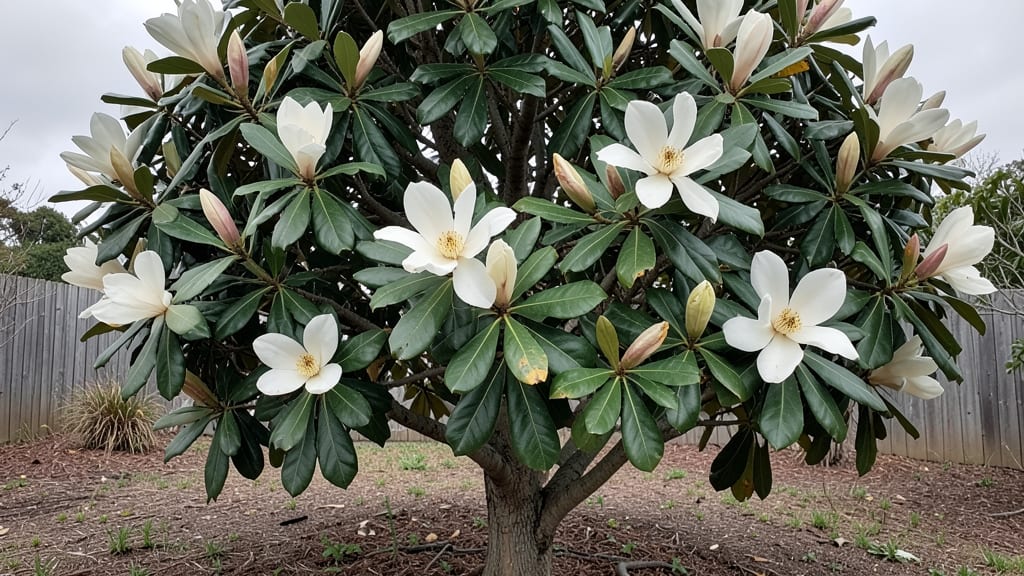
Magnolia trees bloom for 2 to 4 weeks, with peak flowering lasting 7 to 10 days depending on the variety. Early bloomers like Magnolia stellata flower in late winter, while late varieties such as Magnolia grandiflora peak in mid-summer. Proper pruning and sunlight exposure can extend bloom duration.
Magnolias put on their stunning floral show in stages, with each bloom lasting only about 3 to 5 days before wilting—but the tree's overall display stretches out beautifully over weeks. 🌸 What’s fascinating is how temperature swings actually trigger blooming: cooler nights followed by warm days signal the tree to open its buds, creating that perfect window of fragrance and color.
Southern varieties like Magnolia grandiflora often bloom later in summer when humidity peaks, while northern types like Magnolia stellata time their show for spring's crisp air.
The real secret to extending that bloom? Healthy roots and strategic pruning. I’ve seen trees with dense canopies produce fewer but larger blooms, while open-grown specimens shower visitors with flowers for weeks. Think of it like training a dancer—proper care keeps them performing at their peak longer.
💡 In This Article
- Factors Affecting Magnolia Bloom Duration
- Best Pruning and Care Tips for Longer Blooms
Factors affecting Magnolia bloom duration
Magnolia bloom duration hinges on a delicate balance of biological triggers and environmental conditions. These trees rely on a process called vernalization—a cold period followed by warmth—that signals buds to open.
For early bloomers like Magnolia stellata, this happens in late winter when daytime temperatures reach 50-60°F after nights below 40°F. Later varieties like Magnolia grandiflora need warmer soil temperatures (65°F+) to trigger blooming, which is why they peak in summer.
This temperature sensitivity explains why northern climates see earlier blooms than southern regions.
The tree's internal clock also responds to photoperiod—day length changes. Short-day plants like magnolias begin bud formation when daylight shortens in fall, but actual blooming requires specific temperature cues.
What's fascinating is how humidity plays a role: Southern magnolias often bloom during 70-80% humidity, which preserves petal moisture and extends visual appeal. In drier climates, blooms may last 2-3 days shorter due to accelerated wilting.
The fragrance intensity also peaks during these optimal humidity windows, creating that signature magnolia scent.
Soil conditions matter just as much as climate. Magnolias thrive in slightly acidic soil (pH 5.0-6.5), where nutrient availability supports robust flower production. A pH below 5.0 can stunt growth, while above 7.0 reduces iron uptake—both scenarios shorten bloom duration.
Water stress is another critical factor: Drought conditions cause buds to abort before opening, while consistent moisture (about 1-2 inches per week) maintains vascular health, allowing flowers to stay vibrant longer. I've noticed that well-mulched trees in my garden bloom 5-7 days longer than those with exposed roots.
Pollination timing creates another layer of complexity. Early bloomers like Magnolia acuminata rely on beetles for pollination, which are most active during 60-75°F days. If temperatures spike above 85°F, these pollinators become less active, reducing fertilization success and potentially shortening the overall bloom window.
Late bloomers like Magnolia soulangeana face different challenges—their flowers must compete with summer's heat and insect activity. This biological race against time explains why some magnolias produce fewer but larger blooms in hot climates, as the tree conserves energy for survival rather than reproduction.
Here's what's actually happening at the cellular level: Magnolia buds contain anthocyanin pigments that determine flower color, and these compounds are temperature-sensitive. Cooler nights (45-55°F) help stabilize these pigments, while daytime warmth (70-80°F) triggers enzymatic reactions that open the buds. The result?
A 7-10 day peak bloom period where flowers are at their most vibrant.
What most people don't realize is that magnolias often produce multiple flushes of buds—some trees will rebloom if the first flush is removed, creating a staggered display that can extend the total bloom duration to 4 weeks.
Consider these key factors when evaluating your magnolia's performance:
- Climate zone: Northern varieties bloom 3-4 weeks earlier than southern types due to temperature differences
- Soil moisture: Consistent watering maintains vascular health for 20-30% longer bloom duration
- Pruning timing: Prune after blooming to avoid removing next year's flower buds
- Pollinator presence: Plant companion flowers to attract beetles and other pollinators
The science behind magnolia blooming reveals nature's precision timing system. These trees have evolved to bloom when pollinators are most active and environmental conditions are optimal for seed development.
By understanding these factors, you can create conditions that extend your magnolia's floral display—turning what might be a 2-week show into a month-long spectacle. 🌿