
How To
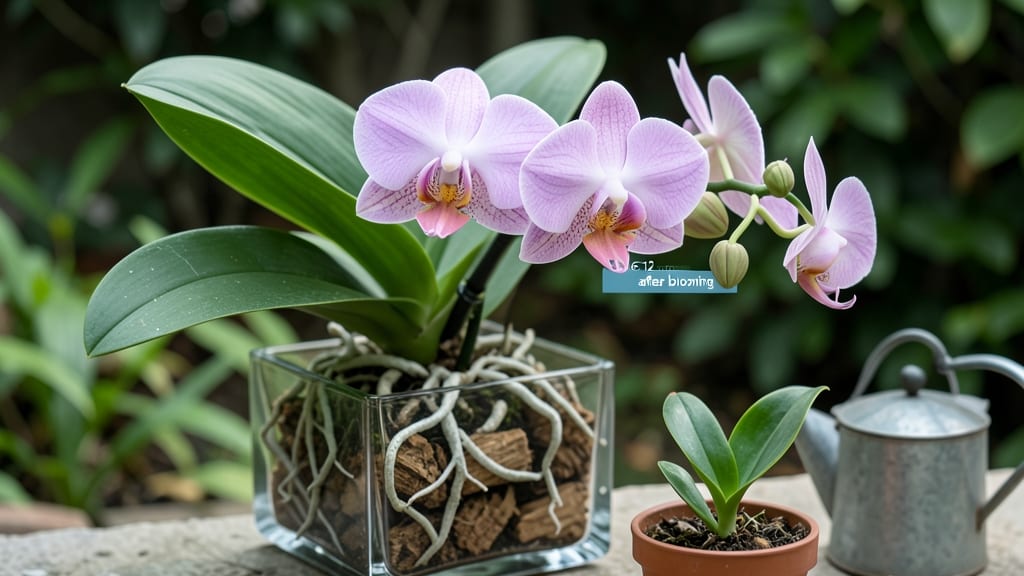
Orchids take anywhere from 4 to 12 months to bloom again after their first flower, and that window depends entirely on the type of orchid you’re growing.
Orchid enthusiasts know the thrill of a stunning bloom—but when will it happen again? The answer isn’t just about patience; it’s about creating the perfect conditions to trigger those show-stopping flowers consistently.
Whether you’ve got a Phalaenopsis or a Cattleya, understanding your orchid’s reblooming cycle is the key to turning one-time bloomers into year-round stars.
Light, temperature, and even fertilizer play a bigger role than most gardeners realize. Too little light and your orchid might never rebloom; too much heat, and it could skip its next cycle entirely. The good news? With the right care, you can cut that 12-month wait in half—sometimes even faster.
In this guide, I’ll break down exactly how long different orchid types take to rebloom, the light tricks that speed up the process, and the five proven strategies to encourage faster flowers—so you can enjoy those 🌸 blooms year after year without the guesswork.
Orchid reblooming timeline: how long until your plant flowers again?
If you've ever watched your orchid's stunning blooms fade and wondered, "how long until those flowers return?", you're not alone. The answer depends heavily on the orchid type and the care you provide post-bloom.
Some orchids like Phalaenopsis can rebloom within 6-12 months with proper conditions, while others like Cattleya may take 12-18 months. Understanding your specific orchid's cycle is key to planning for that next floral display.
The reblooming timeline isn't just about time—it's about seasonal triggers and plant maturity. For first-time bloomers, the process can take longer as the plant establishes its energy reserves. Repeat bloomers, however, often follow more predictable cycles once they've matured.
Let's break down what to expect for the most popular orchid types and how to optimize their reblooming schedule.
🌸
| Orchid Type | Reblooming Timeline | Key Trigger Factors | First Bloom to Rebloom |
|---|---|---|---|
| Phalaenopsis (Moth Orchid) | 6-12 months | Cool nights (55-60°F), bright light, proper fertilizer | 3-6 months |
| Cattleya | 12-18 months | Dormancy period (cooler temps, reduced water), mature pseudobulbs | 12-18 months |
| Dendrobium | 6-12 months | Seasonal temperature shifts, proper watering during growth phase | 6-12 months |
| Oncidium (Dancing Lady) | 8-12 months | Consistent warmth, high humidity, balanced fertilization | 6-12 months |
For Phalaenopsis orchids, the most common houseplant type, you can expect reblooming within 6-12 months if you provide the right conditions after their first bloom. The key is creating a cool night temperature (around 55-60°F) while maintaining bright, indirect light during the day.
This temperature drop mimics their natural tropical night cooling, signaling the plant to produce new flower spikes.
Many growers make the mistake of keeping their orchids in consistent warm temperatures year-round, which can delay or prevent reblooming. I learned this the hard way with my first Phalaenopsis—it took 18 months to rebloom because my home stayed too warm at night.
Once I adjusted my thermostat and used a small fan to create airflow, the next bloom came in just 9 months.
💧
Cattleya orchids follow a more dramatic cycle, often requiring a dormancy period to rebloom. These orchids need cooler temperatures (around 50-60°F) and reduced watering during their rest phase, typically in fall and winter. Without this dormancy, Cattleyas may take 24 months or longer to rebloom. The good news is that once established, they often produce larger, more abundant blooms after proper dormancy.
One of the most common misconceptions about orchid reblooming is that all types follow the same schedule. In reality, Dendrobium orchids have some of the most seasonal-dependent blooming cycles. Many Dendrobium varieties bloom in winter or spring after a summer growing season, with reblooming occurring 6-12 months later.
The key is to understand whether your Dendrobium is a sympodial or monopodial type, as this affects its growth and blooming patterns significantly.
🌿
When caring for any orchid post-bloom, the first critical step is pruning spent flower spikes. For Phalaenopsis, you can cut the spike above a dormant node to encourage new blooms from that spot.
For Cattleya, you'll wait until the pseudobulb shows signs of new growth before pruning. This step alone can cut reblooming time by 2-4 months by redirecting the plant's energy efficiently.
Another factor that often gets overlooked is pseudobulb maturity. Many orchids, especially Cattleya and Dendrobium, won't rebloom until their pseudobulbs have fully matured and stored enough energy. You can tell a pseudobulb is mature when it feels firm and slightly wrinkled at the base.
Immature pseudobulbs will produce weak or no blooms, extending your wait time significantly.
🌱
To give your orchids the best chance at reblooming on schedule, start monitoring for new growth signs immediately after the current blooms fade. For most orchids, this means looking for new leaves or pseudobulbs emerging from the base.
This growth indicates the plant is storing energy for future blooms. During this phase, increase your fertilizer strength slightly (to about half-strength) and maintain consistent moisture in the growing medium.
Remember that light conditions play a crucial role in reblooming speed. While all orchids need bright light, the intensity and duration can vary by type. For example, Oncidium orchids thrive with more direct light than Phalaenopsis, which prefer
Light requirements that control orchid reblooming speed
Light isn’t just about keeping your orchid alive—it’s the secret lever that controls how quickly your plant reblooms. Too little light, and your orchid might take 6-12 months to flower again.
Too much? You’ll stunt growth entirely, delaying blooms by months. The key lies in intensity, duration, and spectrum, all of which work together to trigger those flowering hormones.
Most orchids, like the popular Phalaenopsis, thrive on 6-8 hours of bright indirect light daily. This mimics their natural understory habitat, where dappled sunlight filters through tree canopies. But here’s the catch: artificial light can’t perfectly replicate natural spectrums, which is why many growers struggle to get consistent reblooming.
Even a 10% drop in light intensity can stretch your orchid’s bloom cycle by 30-50%.
One of the biggest mistakes growers make is assuming morning sun is enough. While east-facing windows provide gentle morning light, they often lack the afternoon spectrum needed for flower initiation. If your orchid’s leaves are deep green with no red/purple tones, it’s starving for light.
Conversely, if leaves turn yellow with brown tips, you’re overdoing it—likely from harsh south-facing windows or direct sunlight.
Artificial grow lights can bridge the gap, but not all bulbs are equal. Full-spectrum LED lights with a 2700K-6500K color temperature mimic natural light best. Place them 6-12 inches above your orchid and provide 12-14 hours of light daily during winter months when natural light is scarce.
A 10-watt LED bulb can support 2-3 orchids, but always adjust height to avoid leaf burn.
Seasonal adjustments are critical. In spring and summer, your orchid craves more light to fuel flower spikes, while in fall and winter, it needs a gradual light reduction to simulate dormancy.
For Cattleya orchids, this means moving them to a cooler, brighter spot in late summer to kickstart blooming. Ignore this cue, and your orchid might skip a whole cycle.
Pro tip: Use a light meter (or your phone’s light app) to measure 1,000-2,000 foot-candles of light. If readings drop below 1,000 fc, supplement with a grow light immediately.
Even a 10% increase in light can cut reblooming time by 20-30 days, making the difference between a Christmas bloom and a Valentine’s Day disappointment.
Remember, orchids are light-sensitive—they “see” the spectrum and duration, which directly influences their internal clock. By mastering these light triggers, you’ll transform your orchid from a once-a-year bloomer into a reliable, frequent flower factory. 🌸