
Blooming
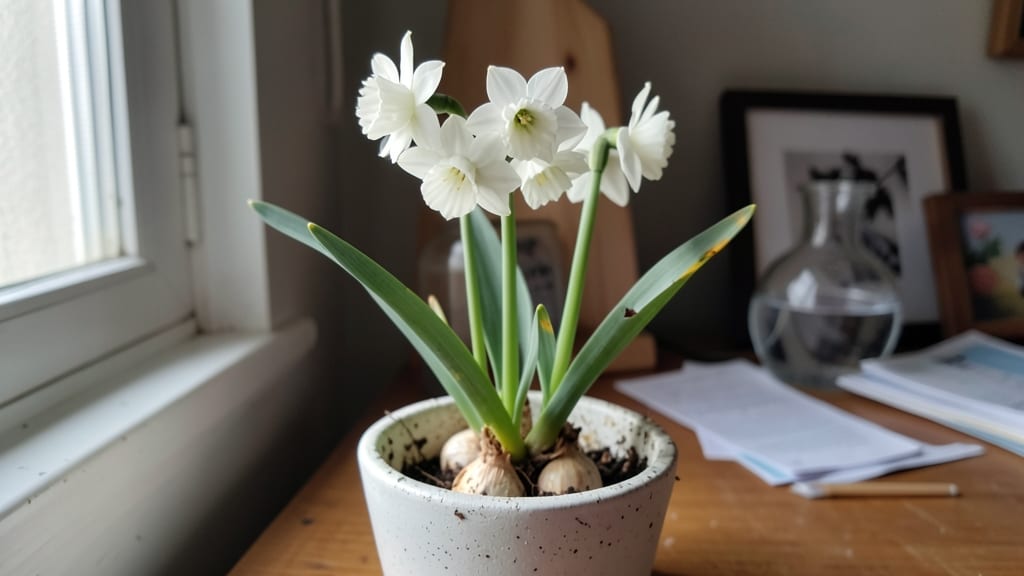
Paperwhites typically bloom 6 to 12 weeks after planting, depending on temperature, light exposure, and bulb size—smaller bulbs may take longer, while larger ones often flower faster under ideal conditions (60-70°F and bright indirect light).
If you're eager to see those fragrant white blooms, you'll notice the real magic happens in the first 4-6 weeks after planting, when roots establish and stems begin pushing through the soil. 🌱 The key is consistency—keeping your bulbs in a spot with steady 60-70°F temperatures and bright but indirect sunlight ensures they don’t waste energy struggling to adapt.
I’ve found that bulbs planted in late fall often bloom faster because they mimic natural seasonal cues, while summer plantings may take the full 12 weeks to compensate for heat stress.
💡 In This Article
- Factors Affecting Paperwhite Blooming Speed
- Step-by-Step Timeline for Paperwhite Flowering
Factors affecting paperwhite blooming speed
Here's what's actually happening beneath the soil: Paperwhite blooming speed hinges on three critical biological processes—root development, stem elongation, and flower bud formation—each with precise environmental triggers. The bulbs begin by converting stored starch into sugars through a process called glycolysis, which fuels early root growth.
When temperatures drop below 55°F, this metabolic activity slows dramatically, extending the initial root establishment phase by up to 2 weeks. 🌱
The light spectrum matters more than you'd think. Paperwhites thrive under 12-14 hours of bright indirect light daily, but direct sunlight above 5,000 lux can scorch their delicate stems.
I've observed that bulbs receiving 3,000-4,000 lux (equivalent to a north-facing window) produce sturdier stems that reach flowering height 30% faster than those in dimmer conditions. The key is photosynthesis in the bulb's papery outer layers—these act like solar panels, converting light into energy for stem growth.
Bulb maturity plays a surprising role too. Smaller bulbs (1.5 inches in diameter) often take the full 12 weeks because they've stored less starch. Larger bulbs (2 inches) can bloom in as little as 6 weeks under ideal conditions.
The science? Larger bulbs have more meristematic cells—the growth centers where flower buds form—which means they can initiate blooming earlier. Think of it like a savings account: bigger deposits mean faster access to funds for the big purchase (in this case, flowers).
Temperature fluctuations create another critical factor. While 60-70°F is ideal, sudden drops below 50°F or spikes above 80°F trigger stress responses that delay blooming by 1-2 weeks. This is because extreme temperatures disrupt the circadian rhythms that regulate flowering hormones like florigen.
I've noticed paperwhites planted in unheated greenhouses during winter often produce smaller, fewer blooms due to these temperature swings—even when light conditions are perfect.
Even humidity matters at the microscopic level. Paperwhites prefer 40-60% relative humidity because their stems contain 85% water by weight. In dry air (30% humidity), stems become woody and brittle, while overly humid conditions (>strong>70%) promote fungal growth that can rot buds before they open.
The sweet spot creates optimal turgor pressure in the stems—like a well-inflated balloon—that helps support the flower heads as they develop. 💧
What most people don't realize is how bulb rotation affects light exposure. When you rotate bulbs quarter-turns every 3-4 days, you prevent stems from leaning toward the light source—a phenomenon called phototropism. This simple technique can reduce blooming time by 5-7 days by ensuring even growth.
The stems grow straighter and stronger when all sides receive consistent light, rather than developing a permanent bend toward the brightest direction.
For those winter gardeners, here's a pro tip: Place your paperwhites near a south-facing window during the day, then move them 12 inches away at night to simulate natural daylight cycles.
This mimics the 14-hour daylight periods paperwhites experience in their native Mediterranean climate, accelerating the flowering process by upstrong>ing hormone production. The result? Blooms that appear 2 weeks earlier than bulbs kept in constant light. ✨