
Blooming
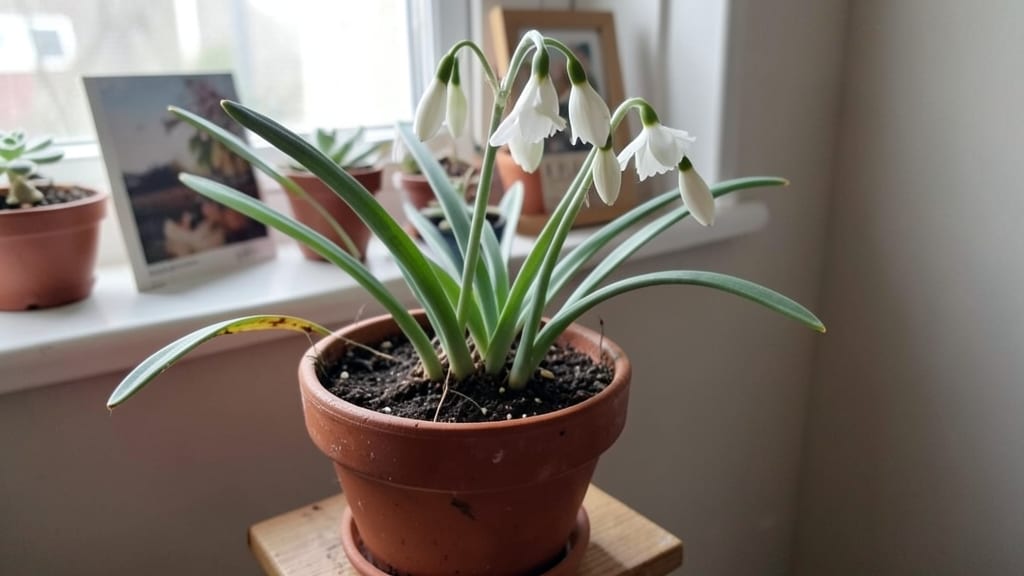
Paperwhites bloom indoors typically 4-6 weeks after planting, though timing varies based on light, temperature, and bulb size. Forcing with warm conditions (70°F) and indirect sunlight can accelerate flowering by 2-3 weeks, while cooler temperatures delay blooms by up to 10 days.
Paperwhites are fascinating because their bloom cycle is actually a clever survival trick—these bulbs evolved to flower in response to stress, like crowding or temperature shifts. 🌱 That’s why forcing them indoors works so well: warm 70°F rooms and indirect light trick the bulbs into thinking spring has arrived, speeding up their natural timeline.
Smaller bulbs or cooler spots, though, can stretch that window, so patience pays off if you’re dealing with less-than-ideal conditions.
What’s often overlooked is how light quality matters—not just intensity. Too much direct sun can scorch delicate stems, while dim corners slow growth. I’ve found placing them near a north-facing window or under a grow light (12 hours/day) gives the best balance.
And if you’re impatient? A 10-day boost at 75°F can shave weeks off the wait without sacrificing bloom quality.
💡 In This Article
- Factors That Control Paperwhites Bloom Timing
- Step-by-Step Guide to Forcing Paperwhites Early
Factors that control paperwhites bloom timing
Here's what's actually happening inside those bulbs: paperwhites trigger flowering through a process called vernalization, where warm temperatures break dormancy and kickstart growth. The ideal 65-75°F range activates enzymes that convert stored starches into sugars, fueling root development first.
This root growth is critical—without strong roots, the bulb can't support the energy demands of flowering. Think of it like a battery charging before powering a device.
Light plays a dual role: it provides energy for photosynthesis in the early green shoots while regulating flowering hormones. Bright but indirect light (like 12 hours/day of 1,000-2,000 lux) prevents the stems from stretching too quickly, which would make them weak.
Too little light means slow growth, while direct sun can scorch the delicate stems—imagine trying to grow a plant under a magnifying glass. The bulbs also respond to light quality, with blue wavelengths (from LED grow lights) being most effective at promoting healthy stem development.
Bulb maturity is the wild card—larger bulbs (about 2-3 inches in diameter) have more stored energy and typically bloom 1-2 weeks earlier than smaller ones. What most people don't realize is that even within the same package, bulbs can vary by 3-5 days in bloom time.
The oldest bulbs in the bunch will usually flower first, while younger ones lag behind. This is why professional growers sort bulbs by size before forcing.
The biological magic happens in three stages: first, roots emerge and establish within 5-7 days, then the shoot grows 2-3 inches before the flower bud forms, and finally, the stem elongates rapidly (1 inch/day) as it reaches for light.
This final stage is when temperature control becomes most critical—cooler nights (60°F) can slow this elongation, while warm days (75°F) speed it up dramatically. 🌸
Stress actually helps! Paperwhites evolved in Mediterranean climates where they experience dry summers and cool winters. When you force them indoors, the confined space and consistent warmth mimic these conditions, triggering the same stress responses that would occur naturally.
This is why overcrowding bulbs (planting them 1 inch apart) can sometimes produce earlier blooms—it creates a competitive environment that signals the bulbs to hurry up and flower.
Pro tip: If your paperwhites are taking longer than expected, check the water level—bulbs need consistent moisture but not soggy conditions. The roots need oxygen too, so using pebbles in the container (rather than sitting directly in water) improves airflow.
And remember, every bulb has its own internal clock—some may bloom in 3 weeks, others take 7 weeks, but they'll all eventually follow their own perfect timing. 🌱