
How To
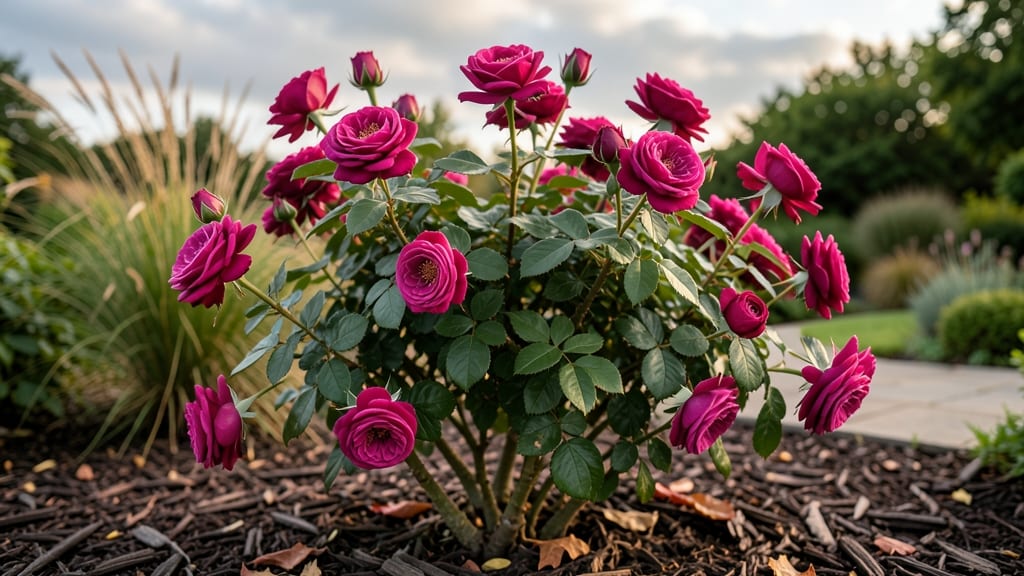
Most roses bloom for 3 to 7 days per flower, but repeat-blooming varieties like hybrid teas and floribundas produce new buds every 4-6 weeks with consistent care. Climbers and shrub roses often extend their flowering season for months under ideal growing conditions.
Understanding bloom cycles helps you plan your garden's color timeline. 🌹 Individual flowers typically last about a week, but the real magic happens with repeat-blooming roses—they can produce fresh blooms every 6-8 weeks when you remove spent flowers promptly.
I've seen climbers like 'New Dawn' keep blooming from early summer until frost if given proper sunlight and nutrients. The key is balancing deadheading (removing faded blooms) with pruning to encourage new growth without overstressing the plant.
Climate plays a huge role too—roses in mild coastal areas often bloom longer than those in hot inland zones.
For example, hybrid teas might need afternoon shade in Zone 8 to prevent wilting, while shrub roses in Zone 5 might need winter protection to survive for another blooming season. 🌿 The right care turns a single bloom cycle into a continuous floral display.
💡 In This Article
- Rose Bloom Duration by Variety: Weeks and Seasonal Patterns
- Pruning and Care Tips to Maximize Rose Bloom Longevity
Rose bloom duration by variety: weeks and seasonal patterns
The bloom duration of roses varies dramatically between varieties, primarily due to their genetic programming and growth habits. Hybrid teas—like the classic 'Mister Lincoln'—typically produce single blooms that last 5 to 7 days before wilting.
These roses are bred for dramatic, long-stemmed flowers but sacrifice continuous blooming for intense color and fragrance. In contrast, floribundas such as 'Iceberg' create clusters of smaller blooms that open sequentially, extending their visual appeal to 10-14 days per cluster.
Climbing roses like 'Blaze' take bloom longevity to another level, often producing new flowers every 2-3 weeks throughout the growing season. The key difference lies in their growth structure: climbers develop long canes that bear multiple buds along their length, creating a staggered bloom cycle.
Shrub roses such as 'Knock Out' roses are engineered for continuous flowering, with some varieties producing blooms for up to 12 weeks without a break—though individual flowers still last only 3-5 days.
Seasonal patterns also differ by variety. Once-blooming roses like 'Louis Philippe' (a China rose) produce a spectacular single flush of blooms in late spring or early summer, after which they focus energy on seed production.
Repeat-bloomers, however, allocate resources differently: they prioritize vegetative growth during warm months, then redirect energy to flower production when days shorten in late summer. This explains why hybrid teas might bloom heavily in spring, taper off in summer, then rebound in fall—unless you prune strategically to encourage new growth.
Climate plays a crucial role in extending bloom duration. Roses in cooler maritime climates (like the Pacific Northwest) often bloom longer than those in hot continental zones because excessive heat accelerates wilting.
For example, 'David Austin' English roses may bloom for 8-10 weeks in London but only 4-6 weeks in Arizona's desert heat. The solution? Provide afternoon shade for heat-sensitive varieties and consistent moisture—wilting roses recover faster when soil stays evenly moist.
Here's what's happening at the cellular level: roses produce ethylene gas as flowers age, which triggers wilting. Pruning removes ethylene sources (spent blooms) and stimulates new growth that produces ethylene-resistant buds.
The result? With proper care, a single rose bush can transition from one spectacular bloom cycle to continuous color for months. 🌸
For gardeners planning seasonal displays, this means selecting varieties that complement each other. Pair a once-blooming shrub rose (like 'The Fairy') with a repeat-blooming climber (like 'Zephirine Drouhin') to ensure color from early summer through frost.
The shrub's dramatic spring show gives way to the climber's cascading blooms as temperatures rise.