
Propagation
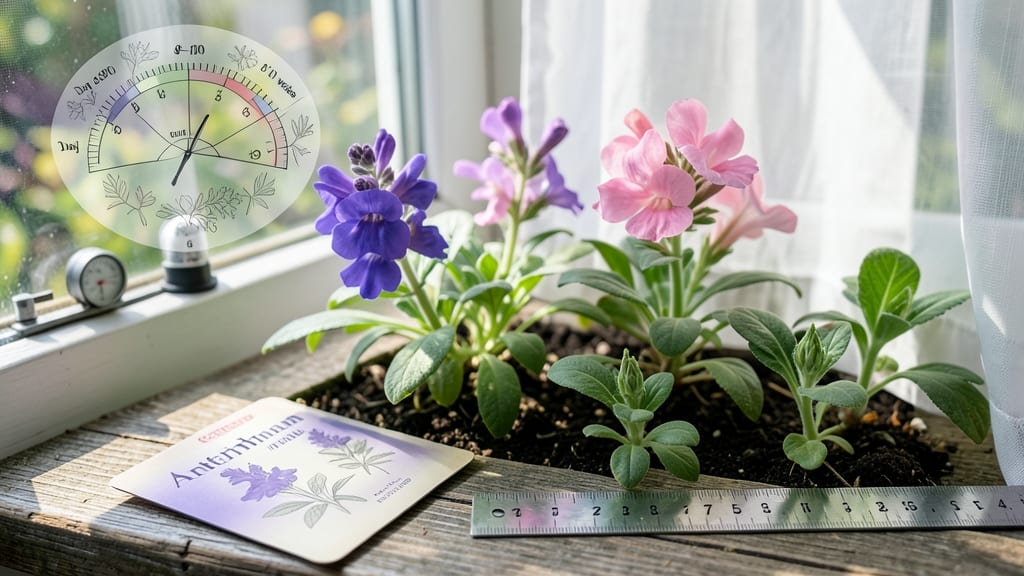
Snapdragons take 8–12 weeks to bloom from seed when grown under ideal conditions, but patience pays off with vibrant, long-lasting flowers that reward careful gardeners.
If you’ve ever impatiently waited for snapdragon blooms, you’re not alone—these 🌸 beauties can take months to reward your patience. But with the right cold-stratification tricks, you can shave weeks off their timeline and enjoy quicker color in your garden.
The key to speeding up blooming lies in starting seeds indoors 10–12 weeks before your last frost, ensuring they get enough light, and avoiding common pitfalls like overwatering or poor soil drainage.
Below, I’ll break down the exact timeline for germination to bloom, share my best tricks for accelerating growth, and reveal the three biggest mistakes that stall flowering—so you can get those snapdragons blooming faster than ever.
Snapdragon germination and bloom timeline: what to expect from seed
Growing snapdragons from seed is a rewarding but patient process. These charming biennial or annual flowers typically take 75–90 days from seed to bloom under ideal conditions. However, environmental factors like temperature, sunlight exposure, and soil quality can significantly alter this timeline.
Understanding each growth stage helps you set realistic expectations and troubleshoot delays.
Your journey begins with seed germination, which usually occurs within 7–14 days when sown at the right depth and temperature. After sprouting, seedlings enter the vegetative stage, where they focus on leaf and root development.
This phase can last 4–6 weeks, depending on growing conditions. Finally, the flowering stage begins when buds form, leading to those iconic snapdragon blooms you’ve been waiting for.
Here’s a clear breakdown of the snapdragon growth timeline from seed to bloom, including how annual and perennial varieties compare:
| Growth Stage | Timeframe (Days) | Key Actions | Annual vs. Perennial |
|---|---|---|---|
| Germination | 7–14 | Keep soil moist, maintain 60–75°F | Same for both |
| Seedling Growth | 14–30 | Thin seedlings, provide 6+ hours light | Annuals grow faster |
| Vegetative Stage | 30–60 | Fertilize lightly, ensure full sun | Perennials take longer |
| Bud Formation | 60–75 | Reduce water slightly, support stems | Annuals bloom sooner |
| First Blooms | 75–90 | Deadhead spent blooms, fertilize | Perennials rebloom next year |
Temperature plays a critical role in speeding up or slowing down snapdragon growth. Seeds germinate best in 60–75°F soil, while seedlings thrive in 65–75°F air temperatures. If your climate runs cooler, consider starting seeds indoors 10–12 weeks before the last frost to give them a head start.
Conversely, hotter conditions can accelerate growth but may lead to leggy seedlings if light is insufficient.
Sunlight is another game-changer for snapdragons. These flowers crave 6+ hours of direct sunlight daily to produce vibrant blooms. Without enough light, plants may become tall and spindly with fewer flowers.
If growing in partial shade, expect a slightly longer timeline to bloom as energy is diverted to leaf production rather than flower development.
Soil quality also impacts your snapdragons’ timeline. Well-draining, fertile soil with a pH of 6.7–7.4 ensures healthy root development and quicker growth. Amend heavy or clay soils with compost or perlite to improve drainage and aeration.
Poor soil conditions can delay germination by up to 2 weeks and stunt overall plant vigor.
For annual snapdragons, the timeline from seed to bloom is typically 75–85 days under ideal conditions. These varieties are bred for quick flowering and are perfect for seasonal color.
In contrast, perennial snapdragons may take 90–120 days to bloom initially but reward you with reblooming in subsequent years if properly cared for.
If you’re eager to see blooms sooner, focus on optimal growing conditions from day one. Start seeds indoors under grow lights, use seed-starting mix, and transplant outdoors only after the last frost.
With these strategies, you can shave 2–4 weeks off the typical bloom timeline and enjoy your snapdragons’ cheerful faces even earlier in the season.
Remember, every garden is unique, and factors like microclimates, soil health, and even seed quality can influence your snapdragons’ growth speed. Pay attention to your plants’ progress and adjust care as needed to ensure a timely and beautiful bloom.
Cold-stratification tricks to speed up snapdragon blooming
Snapdragons (Antirrhinum majus) love a good winter nap—literally! Their seeds often need cold treatment to break dormancy, which can cut weeks off your wait time for those vibrant blooms.
Without stratification, you might stare at green sprouts for months before seeing a single flower. But with the right tricks, you can trigger faster germination and earlier flowering—even in cooler climates.
Cold-stratification mimics nature’s winter chill, tricking seeds into thinking spring has arrived. For snapdragons, this means 4–8 weeks of refrigeration before planting. The key is moisture—seeds need to stay damp but not soggy during this process.
I’ve found that DIY methods like damp paper towels or a sealed container with moist peat moss work just as well as commercial stratification kits.
🌱 How Long Snapdragons Take to Bloom From Seed (With Cold Stratification)
- 2–4 weeks: Germination after cold treatment (vs. 3–6 weeks without)
- 4–6 weeks: Seedling growth to transplant-ready stage
- 6–8 weeks: Bud formation begins (visible flower spikes)
- 8–12 weeks: First blooms appear (depends on variety and light)
- 12–16 weeks: Full flowering potential with proper care
💡 Pro Tip: Start stratification 8–10 weeks before your last frost date for outdoor planting.
For fastest results, I recommend starting seeds indoors 10–12 weeks before the last frost. Use a clear plastic bag to create a mini greenhouse effect while they’re in the fridge. Once seeds sprout, move them to a sunny windowsill or under grow lights for 12–14 hours daily.
This jumpstarts their growth cycle, giving you a 4–6 week head start compared to direct-sowing outdoors.
If you’re planting directly outdoors, stratify seeds in moistened seed-starting mix and place them in a sealed container in your fridge’s crispier drawer (40–45°F is ideal).
After 4–6 weeks, transplant the cold-treated seeds into your garden bed. This method works well for late-winter sowing in zones 5–7, where frost lingers longer.
Watch out for over-stratification, which can rot seeds. Keep them in a damp (not wet) environment and check weekly for mold. If you notice fuzzy growth, toss those seeds and start fresh. Also, avoid fluctuating temperatures—consistent cold (35–45°F) is crucial for success.
Once your snapdragons emerge, give them full sun (6+ hours daily) and well-draining soil to prevent leggy growth. With cold-stratification, you’ll see buds forming in as little as 6 weeks after germination, cutting your total wait time nearly in half. That means vibrant blooms by early summer instead of midsummer!