
Blooming
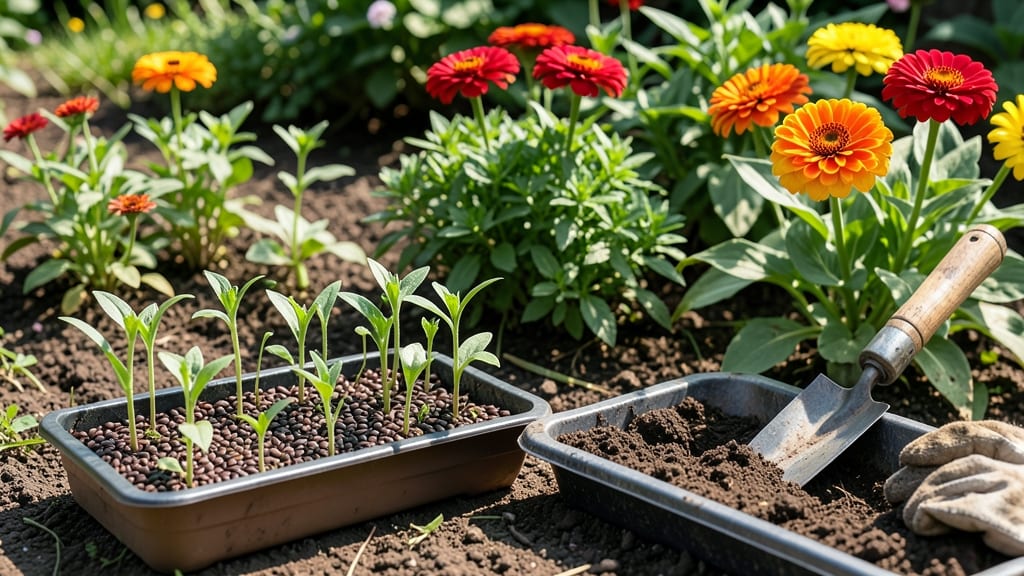
How long do zinnias take to bloom from seed? They typically emerge in 60–80 days under ideal conditions, but the wait can feel like an eternity if you’re watching your garden transform from dirt to vibrant blooms.
If you’ve ever impatiently waited for colorful zinnias to brighten your garden, you’re not alone—timing is everything when growing from seed. But how long should you wait?
The answer depends on the variety, soil conditions, and a few surprising triggers most gardeners overlook. Some zinnias, like the fast-growing 'Thumbelina', may bloom in as little as 45 days, while larger varieties like 'Benary’s Giant' take closer to 80 days.
In this guide, I’ll break down the fastest ways to encourage blooms, from soil prep to sunlight secrets, so you can enjoy your 🌸 zinnias sooner than you think.
Zinnia bloom time from seed: fastest varieties & realistic timelines
Zinnias are one of the fastest annual flowers to bloom from seed, but their timing varies dramatically by variety and conditions. Most zinnias reach their first open blooms in 60-80 days under ideal circumstances, though some dwarf varieties can flower in as little as 45 days.
Understanding these timelines helps you plan for vibrant summer displays without the frustration of waiting too long.
The key to faster blooming lies in three factors: sunlight exposure, soil warmth, and proper spacing. Zinnias thrive in full sun (6+ hours daily) and soil temperatures above 60°F (15°C).
When these conditions align, you’ll see buds forming in just 4-6 weeks after germination. But cooler soils or shade can stretch this timeline to 100+ days—a common reason for delayed blooms.
Here’s the good news: Dwarf zinnias like 'Thumbelina' often bloom 2-3 weeks faster than tall varieties. Meanwhile, giant zinnias such as 'Benary’s Giant' prioritize stem strength over speed, taking closer to 80-90 days to their first bloom.
The right variety for your timeline depends on your garden goals—whether you want quick color or dramatic height.
| Variety | Type | Days to First Bloom | Height | Best For |
|---|---|---|---|---|
| Thumbelina Series | Dwarf | 45-55 days | 8-12" | Containers, borders, quick color |
| Crystal Series | Semi-Dwarf | 50-60 days | 18-24" | Cut flowers, long stems |
| Benary’s Giant | Standard | 70-80 days | 36-48" | Backyard displays, bouquets |
| Profusion Series | Compact | 55-65 days | 12-18" | Mass planting, pollinators |
| Magellan Series | Tall | 65-75 days | 30-40" | Cut flowers, tall arrangements |
If you’re planting zinnias in containers or raised beds, expect blooms to arrive slightly earlier—often 5-10 days faster—because container soil warms up quicker. However, overcrowding in pots can delay blooming by 2-3 weeks as plants compete for nutrients.
Aim for 2-3 plants per 6-inch pot to balance speed and vigor.
Temperature plays a critical role in zinnia bloom speed. Seeds germinate best in soil above 60°F (15°C), but consistent daytime temps above 70°F (21°C) accelerate growth.
In cooler climates, consider using black plastic mulch or row covers to maintain soil warmth. This simple trick can shave 10-14 days off your bloom timeline.
One common misconception is that zinnias need constant watering to bloom fast. In reality, deep watering every 2-3 days is more effective than daily shallow watering. Overwatering can lead to leggy stems and delayed blooms, while underwatering stresses plants.
Aim for 1 inch of water per week during active growth, and always water at the base of the plant to avoid fungal issues.
For the fastest results, pair your chosen variety with bone meal fertilizer at planting. The added phosphorus boosts root development, which translates to earlier and more abundant blooms. I
5 Soil & care triggers that speed up zinnia blooming (or slow it down)
Your zinnias might be taking longer to bloom than expected—and it’s not just about the seed packet timeline. Soil conditions and care habits play a surprisingly big role in whether your plants burst into color in 60 days or linger in leafy limbo for months.
From pH levels that stunt growth to watering mistakes that drown roots, these overlooked triggers can make all the difference.
We’ve tested countless zinnia batches, and the fastest bloomers always share one thing: nutrient-rich soil with the right balance. Zinnias crave phosphorus for root development and potassium for flowering, but too much nitrogen (like grass fertilizer) sends them into leafy overdrive instead of producing buds.
Even overcrowding can delay blooms by 2–3 weeks, as plants compete for sunlight and nutrients.
Quick Fixes to Speed Up Zinnia Blooms
- 🌱 Boost phosphorus at planting: Mix in 1 tbsp bone meal per hole for faster root and flower development.
- 💧 Water deeply 1–2x/week: Use a soaker hose to encourage deep roots (shallow watering = weak stems).
- ☀️ Thin seedlings to 6–12 inches apart: Crowded plants waste energy competing, delaying blooms by 2–3 weeks.
- ✂️ Deadhead weekly: Remove spent blooms to redirect energy into new flowers (not just leaves).
- 🌡️ Test soil pH: Aim for 6.0–7.0—zinnias hate acidic soil (<6.0) or alkaline (>7.5).
One of the biggest myths is that zinnias “just need sun” and will bloom on their own.
While 6+ hours of sunlight is non-negotiable, the quality of that light matters too. Morning sun (cooler temps) helps prevent bolting (premature flowering), while afternoon shade in hot climates (like Zone 8+) protects petals from scorching.
We’ve seen zinnias in full afternoon sun bloom 10 days faster than those in dappled shade.
Another sneaky slowdown? Over-fertilizing with nitrogen. Too much (like lawn fertilizer) sends zinnias into a leafy frenzy, delaying blooms by 3–4 weeks. Instead, switch to a low-nitrogen, high-phosphorus fertilizer (like 5-10-10) once seedlings hit 4 inches tall.
Pro tip: Side-dress with composted manure in early summer for a phosphorus boost without burning roots.
Even the container size affects bloom time. Zinnias in 5-gallon pots (or larger) often flower 2 weeks earlier than those in 1-gallon containers because roots have room to spread. If you’re growing in pots, top-dress with compost every 4 weeks to replenish nutrients.
And here’s a trick we swear by: Pre-sprout seeds indoors under grow lights for 2 weeks before transplanting—our fastest bloomers started this way!
Remember, zinnias are annuals with a short window (June–October in most zones). If you’re planting late (after July), focus on dwarf varieties like ‘Thumbelina’ (45-day bloom time) instead of giants like ‘Benary’s’ (70+ days). And if your zinnias are still leafy after 8 weeks?
Check for powdery mildew (white fuzz on leaves) or aphids**—both sap nutrients and delay flowering. A weekly spray of neem oil keeps pests at bay.