
Blooming
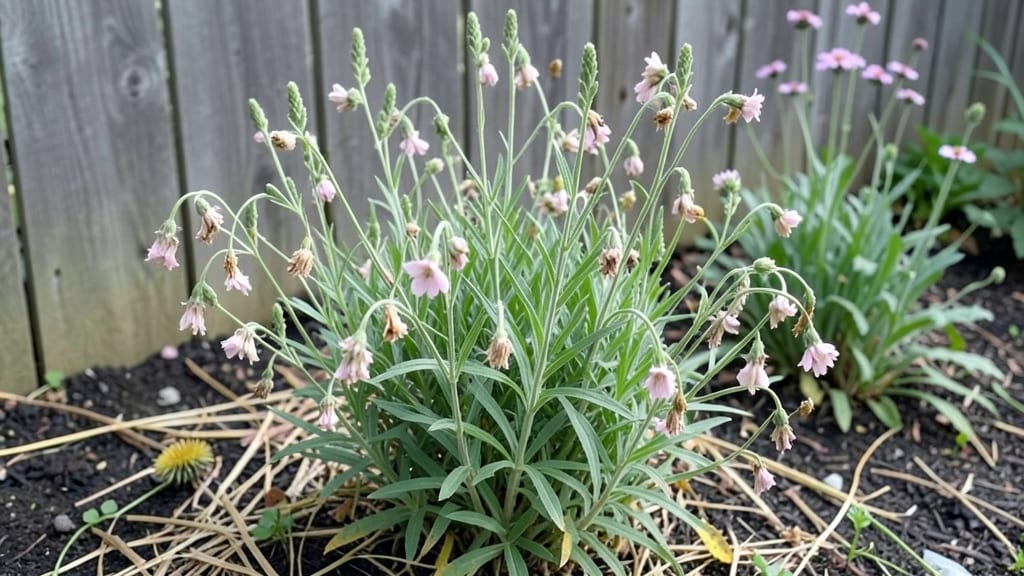
Gaura plants bloom continuously for 6 to 8 weeks per season, often starting in early summer and lasting until early fall, with individual flowers lasting 2 to 4 days before fading. Deadheading spent blooms encourages prolonged flowering.
Gaura’s long-lasting display happens because it produces buds in clusters along its stems, opening sequentially rather than all at once.
This staggered approach keeps fresh blooms appearing for weeks, even under hot or dry conditions—unlike many perennials that fade after just a few weeks. 🌸 The plant’s natural resilience means it thrives with minimal fuss, making it a low-maintenance choice for gardeners who want color without constant upkeep.
What sets gaura apart is its ability to rebound after deadheading, often pushing out new flowers within days. I’ve seen it continue blooming well into September if given proper care, especially in regions with mild fall temperatures.
This makes it a standout performer compared to annuals that burn out by mid-summer.
💡 In This Article
- Gaura Flowering Biology: Why It Blooms So Long
- Extending Gaura’s Bloom Season: Pruning and Care Tips
Gaura flowering biology: why it blooms so long
Gaura's extended bloom cycle comes from its unique reproductive strategy. Unlike many perennials that produce a single flush of flowers, gaura develops buds in clusters along its stems, opening sequentially over weeks rather than all at once.
This staggered bloom pattern creates a continuous display of fresh flowers, with each individual bloom lasting only 2 to 4 days before fading. The plant's stems can produce 50-100 buds per season, ensuring a steady supply of new blooms throughout the growing period.
The plant's spider-like flowers are actually tiny individual blooms (each 0.5-1 inch wide) that open in waves from the base upward. This sequential opening creates a cascading effect that extends the visual impact.
What's remarkable is how gaura maintains this production under stress - its drought tolerance comes from deep root systems that can reach 3-4 feet underground, accessing water during dry spells. 💫 This allows it to continue blooming even when other perennials wilt in summer heat.
Gaura's heat resistance stems from its native habitat in Texas and northern Mexico, where summer temperatures often exceed 90°F. The plant's waxy leaf coating reduces water loss through transpiration, while its light-colored stems reflect sunlight rather than absorbing heat.
This combination lets gaura thrive in full sun conditions that would stress many other flowering perennials, which typically bloom for only 3-4 weeks before requiring rest periods.
Comparing gaura to other long-blooming perennials reveals its unique advantages. While coneflowers (Echinacea) produce dramatic single flushes lasting 4-6 weeks, gaura's continuous production means it can outperform them in total bloom duration.
Black-eyed Susans (Rudbeckia) also bloom for 6-8 weeks, but their flowers appear all at once rather than in gaura's staggered waves, creating less visual interest over time.
The plant's ability to rebound after deadheading is particularly impressive. When you remove spent blooms, gaura responds by producing new buds within 7-14 days, often from lower stem nodes that haven't yet flowered.
This rapid recovery is due to the plant's efficient photosynthesis system, which can quickly convert sunlight into energy for new growth even in hot conditions. 🌿 The result is a plant that can maintain its flowering display with minimal intervention from gardeners.
What most gardeners don't realize is how gaura's flowering mechanism actually improves with age. Younger plants may bloom for 4-5 weeks, but established gaura plants (3+ years old) can extend their season to 8-10 weeks through better root development and increased bud production.
This makes mature gaura plants particularly valuable for gardeners seeking long-lasting color in their landscapes.