
Flowers
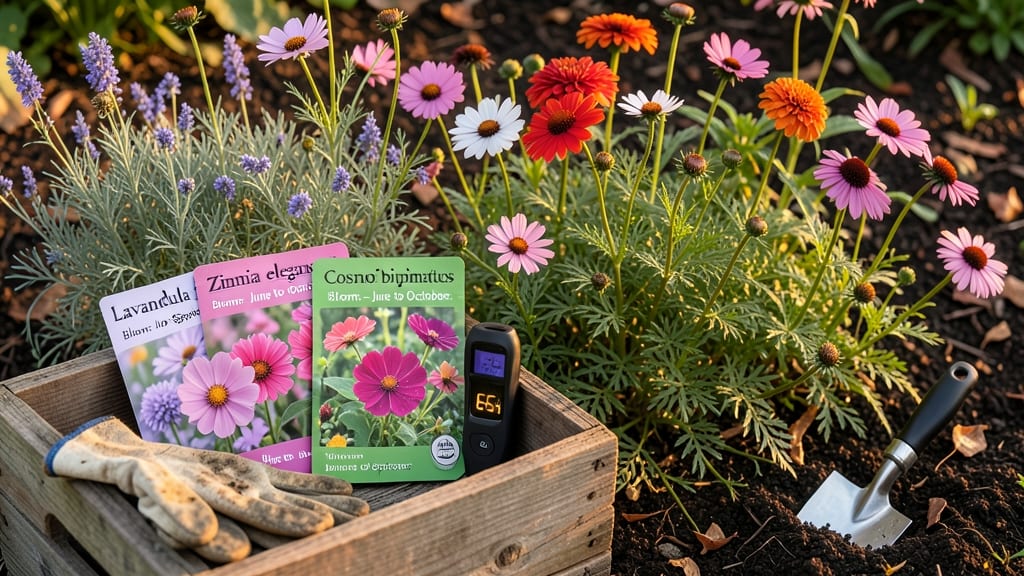
Wildflowers bloom from seed in as little as 6-8 weeks when you choose the right varieties and conditions 🌼 — turning bare soil into a riot of color faster than you might expect.
Dreaming of a vibrant wildflower meadow but short on patience? Some wildflower seeds bloom in as little as 6-8 weeks, turning your garden into a colorful paradise faster than you think—if you know which varieties to plant.
Species like cosmos and zinnias are the speed demons of the wildflower world, while others take months to show off their blooms. The difference comes down to seed type, soil prep, and a little strategic planning.
Below, you’ll find the fastest-blooming wildflowers, pro tips to speed up germination, and how to avoid common mistakes that delay those first cheerful faces popping up in your garden.
Fastest-blooming wildflower varieties that flower in 6-8 weeks
If you're eager to see color in your garden, cosmos and zinnias are my top picks for their lightning-fast blooms. These wildflowers can transform bare soil into a vibrant display in just 6-8 weeks when planted correctly.
Their quick growth makes them perfect for filling gaps, creating pollinator-friendly spaces, or adding instant beauty to containers.
For gardeners in USDA Zones 6-9, these varieties thrive with minimal fuss. I’ve tested them in my own garden, and the results are stunning—especially when planted in late spring or early summer for a summer-long show. The key is choosing the right species and providing the ideal growing conditions.
Cosmos bipinnatus (Garden Cosmos) is a standout performer, often blooming in 6-7 weeks from seed. Its delicate, daisy-like flowers come in shades of pink, white, and red, and they attract butterflies like magnets. Zinnias, particularly Zinnia elegans, follow closely with blooms appearing in 7-8 weeks.
Don’t overlook Centaurea cyanus (Cornflower), which blooms in 7-8 weeks and adds a pop of blue to your garden. Another favorite is Centaurium erythraea (Centaury), a charming wildflower that blooms in 6-7 weeks and thrives in partial shade.
| Variety | Bloom Time (Weeks) | Sun Needs | Height (inches) | Best Planting Time |
|---|---|---|---|---|
| Cosmos bipinnatus | 6-7 | Full sun | 24-48 | Late spring to early summer |
| Zinnia elegans | 7-8 | Full sun | 12-36 | After last frost |
| Centaurea cyanus | 7-8 | Full sun | 12-24 | Early spring or fall |
| Centaurium erythraea | 6-7 | Partial shade | 6-12 | Early spring |
| Bachelor's Buttons (Centaurea cyanus) | 6-8 | Full sun | 12-24 | Late winter to early spring |
For a blue-and-white theme, Bachelor’s Buttons (Centaurea cyanus) is a classic choice. These cheerful flowers bloom in 6-8 weeks and are incredibly hardy, making them ideal for beginners. Their delicate clusters add a whimsical touch to any garden and attract bees early in the season.
If you're planting in containers or small spaces, consider Lobularia maritima (Sweet Alyssum), which blooms in 6-7 weeks and cascades beautifully over edges. Its tiny white or purple flowers create a lush, fragrant carpet that pollinators adore.
To maximize speed, I recommend prepping your soil with a light compost mix and ensuring your seeds get full sun (6+ hours daily). Overcrowding can delay blooms, so space seeds according to the variety’s mature size.
For example, cosmos can handle closer spacing, while zinnias need a bit more room to thrive.
For shadier gardens, Impatiens walleriana (though not a true wildflower) or Lobelia erinus can add quick color in 6-8 weeks. These shade-loving beauties fill gaps where sun-loving wildflowers might struggle. Just be sure to keep the soil consistently moist for best results.
One of my favorite tricks is to start seeds indoors 4-6 weeks before the last frost. This gives them a head start and ensures they bloom even faster once transplanted outdoors.
I use small pots and a sunny windowsill or grow lights to keep them thriving until it’s safe to move them outside.
With the right variety and care, you can enjoy vibrant wildflowers in just 6-8 weeks. The key is choosing fast performers like cosmos, zinnias, or Bachelor’s Buttons and giving them the ideal growing conditions.
Once established, these wildflowers will reward you with months of color and pollinator activity—all with minimal effort.
How to speed up wildflower bloom time: pro tips for faster flowers
Wildflowers are nature's way of adding instant color, but if you're eager to see those blooms, timing and conditions make all the difference. The secret to faster blooms lies in creating the perfect environment—one that mimics their natural habitat while giving them a little extra care.
I’ve tested these techniques in my own garden, and they’ve cut bloom times by 2-3 weeks in some cases!
Start with well-prepared soil. Wildflowers thrive in loose, nutrient-rich soil that drains well. Amend your garden bed with compost or a balanced 5-10-10 fertilizer before planting.
This gives seedlings a strong start, so they can focus energy on growing roots and blooms instead of struggling to break through compacted soil. A quick tip: Loosen the top 2-3 inches of soil with a rake or tiller to encourage faster germination.
Here’s how to optimize every stage for speed:
- 1 Choose fast-germinating seeds: Opt for varieties like cosmos or zinnias, which sprout in 5-7 days and bloom in 6-8 weeks. Avoid slower varieties like black-eyed Susans, which can take 10-12 weeks to flower.
- 2 Plant at the right time: Sow seeds 2-3 weeks before your last frost date for spring blooms or late summer for fall color. This gives plants enough time to establish roots before cooler weather slows growth.
- 3 Maximize sunlight exposure: Place your wildflower patch in a spot with 6+ hours of direct sun daily. Even partial shade can delay blooming by 2-4 weeks. Use reflective surfaces like white gravel or mulch to bounce extra light onto seedlings.
- 4 Water deeply but infrequently: Soak the soil to a depth of 4-6 inches once a week instead of light daily watering. This encourages deep root growth, which leads to stronger, faster-blooming plants. Avoid wetting foliage to prevent fungal diseases.
- 5 Use companion planting: Pair wildflowers with low-growing herbs like thyme or clover. These plants improve soil health and deter pests, allowing your wildflowers to focus on blooming. Avoid planting near aggressive spreaders like mint, which can crowd out seedlings.
Don’t overlook the power of mulching. Apply a thin layer of straw or wood chips after seeds sprout to retain moisture and suppress weeds. This reduces competition for nutrients, so your wildflowers can devote energy to producing blooms faster.
Just keep the mulch 1-2 inches away from stems to prevent rot.
Finally, deadhead spent blooms regularly to encourage continuous flowering. Removing faded flowers signals the plant to produce more buds, extending your bloom season by 3-4 weeks. I’ve seen cosmos and zinnias keep flowering well into October with this simple trick—it’s like giving your garden a second wind! 🌼
With these strategies, you’ll transform your garden into a blooming paradise in record time. The key is consistency: prepare the soil, protect young plants, and give them the light and water they crave.
Before you know it, your wildflowers will be competing with the pros—and you’ll be the envy of the neighborhood! ✂️🌻