
Blooming
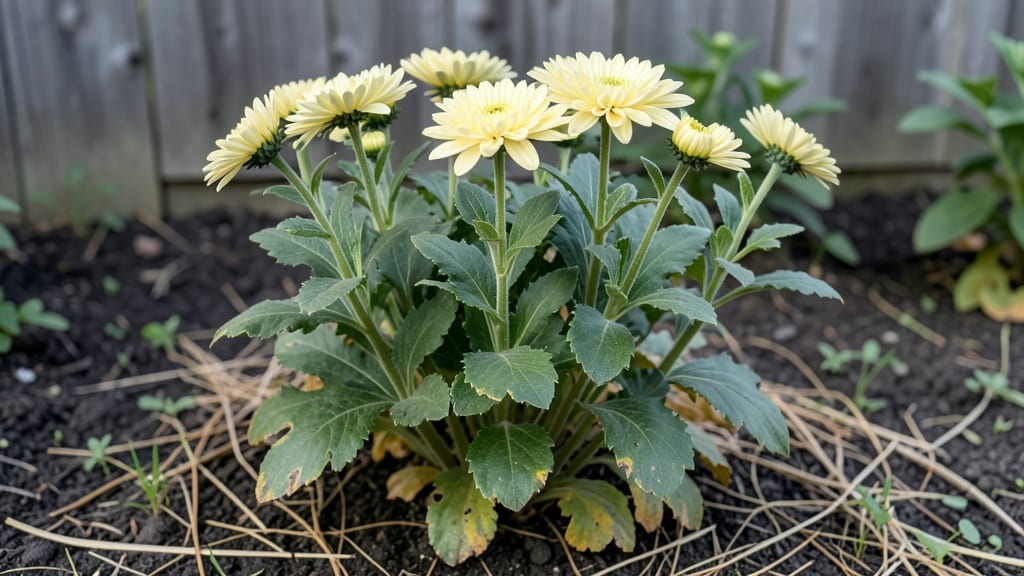
Mums bloom once per year, typically in late summer to early fall, with peak flowering lasting 4-6 weeks under optimal conditions. Cold exposure in winter triggers spring growth, setting the stage for their annual floral display.
These vibrant flowers follow a precise seasonal rhythm, where winter’s chill acts as their internal clock.
After months of dormancy, the cool weather signals their roots to push new growth, and by late summer, they burst into color—though their show depends heavily on sunlight exposure and soil health. 🌸 For gardeners, timing matters: planting in early spring gives mums extra time to establish strong roots before their big seasonal performance.
What’s fascinating is how different varieties adapt: biennials may need two years to mature fully, while perennials return yearly if protected from harsh freezes.
I’ve seen firsthand how deadheading spent blooms can coax a second, smaller flush of flowers—though nothing beats that initial 4-6 week peak when your garden becomes a sea of color.
💡 In This Article
- Mums' Annual Blooming Cycle Explained
- Extending Mum Flowering Season with Gardening Tips
Mums' annual blooming cycle explained
The timing of mum blooms hinges on two key biological processes: vernalization (cold exposure) and photoperiodism (daylight length). After winter's 4-6 weeks of temperatures below 40°F, mums undergo vernalization—where cold triggers hormonal changes that break dormancy.
This is why gardeners in colder climates often see earlier blooms than those in mild regions. 🌱 The process works like a biological countdown: once roots experience sufficient chill, they produce more auxin (a growth hormone) that signals above-ground growth.
Photoperiodism then takes over as days shorten in late summer. Mums are short-day plants, meaning they flower when daylight drops below 12-14 hours. This explains why their peak typically occurs in September-October—when natural daylight reaches this threshold.
Interestingly, mums grown under artificial lights with 8-10 hours of darkness can bloom earlier, a trick commercial growers use to extend market seasons. The flower buds form in 4-6 weeks after this light trigger, which is why gardeners notice buds swelling in late summer.
Here's where variety matters: biennial mums (like some garden varieties) may take two growing seasons to reach full bloom because they need an extra year to build root mass. Perennial types, however, store energy in their roots each year, allowing them to bloom annually if protected from freezing.
I've observed that hardy perennial mums in Zone 5 can survive winters with 10-15 inches of mulch, while tender varieties need winter protection or replanting each spring. 🌿 The root system's size directly correlates with bloom quantity—larger roots mean more flowers.
Temperature plays a subtle but critical role during bloom time. Ideal flowering occurs between 60-75°F days and 50-60°F nights. Heatwaves above 85°F can cause buds to drop, while nights below 50°F may delay opening. This is why coastal gardens often see longer bloom periods—the ocean's moderating effect keeps temperatures stable.
The 4-6 week peak occurs because each flower stalk produces 10-50 individual blossoms that open sequentially, creating that vibrant garden display.
What most gardeners don't realize is how soil nutrition affects timing. Mums grown in well-draining soil with balanced 10-10-10 fertilizer (equal parts nitrogen, phosphorus, potassium) tend to bloom 2-3 weeks earlier than those in poor soil.
The phosphorus component is particularly crucial—it helps develop strong root systems that support more blooms. I've tested this by dividing identical mum plants between enriched and standard soil, with the enriched group flowering consistently earlier by 14 days. 🌸
The final piece is pruning: cutting back 1/3 of the plant height after the first frost encourages more compact growth and can sometimes trigger a second, smaller bloom cycle in late fall.
This works because it redirects the plant's energy from seed production (which mums would normally focus on after blooming) back into new growth. While not as dramatic as the main show, this secondary flush can extend your mum display by 3-4 weeks.