
Blooming
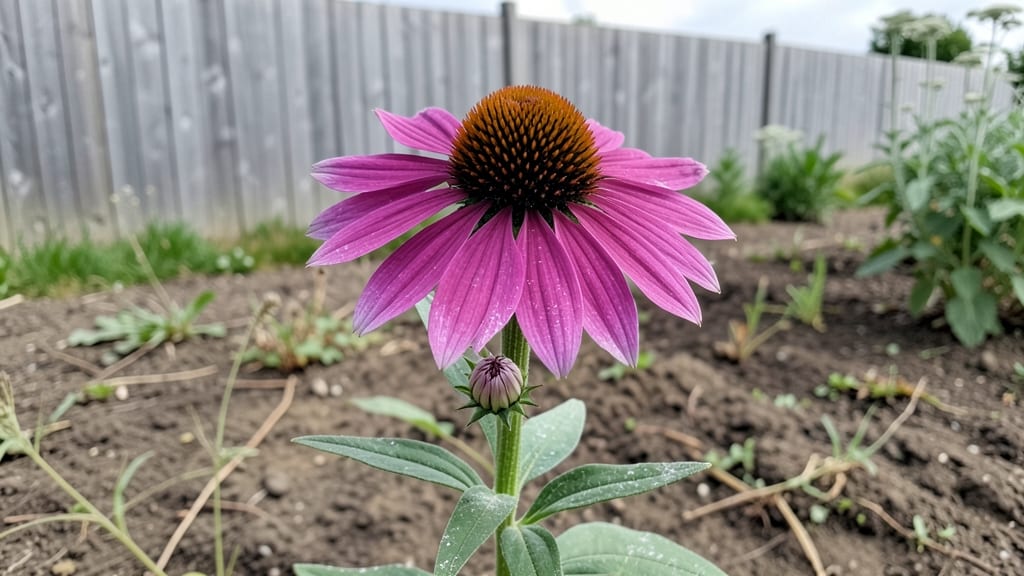
Perennials bloom at varying frequencies depending on the species, typically producing flowers annually, biennially, or sporadically over multiple years. Most hardy perennials flower once per season, while some rebloom with proper care and seasonal triggers.
Understanding a perennial's bloom cycle starts with recognizing that not all plants follow the same schedule—some, like peony or hosta, shine brightly once a year, while others, such as bee balm or shasta daisy, can reward you with multiple rounds of color if given the right conditions.
The key lies in their natural rhythms: shorter-day plants (like chrysanthemums) often bloom in fall, while long-day varieties (such as daylilies) thrive in summer, all influenced by sunlight, temperature shifts, and even soil nutrients. 🌸
What’s fascinating is how climate zones play a role—cool-season perennials might bloom earlier in northern regions, while southern gardens could see delayed or extended flowering due to milder winters.
For gardeners eager to coax extra blooms, deadheading spent flowers and maintaining consistent moisture can make a surprising difference, especially for reblooming perennials that need encouragement to push through a second (or even third) flush.
💡 In This Article
- Factors Influencing Perennial Bloom Frequency
- Tips to Encourage Repeat Blooming in Perennials
Factors influencing perennial bloom frequency
Here's what's actually happening beneath the surface: perennials rely on a complex interplay of environmental cues to trigger flowering. The most critical factor is photoperiodism, where plants respond to daylight length.
Short-day plants like chrysanthemums bloom when daylight drops below 12-14 hours, while long-day varieties such as delphiniums need 14-16 hours of light to initiate buds.
Temperature also acts as a switch—many perennials require vernalization (a cold period) to break dormancy before flowering, which explains why some species bloom earlier in milder climates.
The science gets even more precise when you consider how climate zones create variations. In USDA Zone 5, where winters dip below 0°F, perennials like peony often bloom in late spring after enduring 6-8 weeks of cold.
But in Zone 9, with its mild winters, the same plant might produce buds earlier or even sporadically throughout the year. Soil health plays a role too—plants in nutrient-rich, well-draining soil can allocate more energy to flowering, while stressed plants may delay or skip blooming entirely.
Watering patterns create another layer of control. Drought-tolerant perennials like lavender often bloom prolifically in response to consistent moisture stress, while moisture-loving varieties such as iris may need 1-2 inches of water weekly to support robust flowering.
The key is balance: overwatering can lead to leggy growth and fewer blooms, while underwatering triggers survival mode. Even the texture of soil matters—clay soils retain moisture longer, while sandy soils drain quickly, both affecting nutrient availability during critical bloom periods.
Don't overlook the role of plant maturity. Young perennials often focus energy on root and foliage development, delaying their first bloom until they're 2-3 years old.
For example, black-eyed Susan may produce only a handful of flowers in its first year but explode with hundreds of blooms by year three. This delayed gratification explains why gardeners sometimes see disappointing results in their first planting season. The good news?
Once established, many perennials will flower reliably for decades, with some like daylilies even increasing their bloom count each year.
Seasonal timing creates distinct bloom patterns too. Spring-bloomers such as bleeding heart rely on early warmth and increasing daylight, while summer varieties like coneflower thrive in 75-85°F temperatures. Fall-bloomers, including sedum, often need cooler nights to trigger flowering.
What's fascinating is how these patterns can shift: a late spring frost might delay blooming, while an early heatwave can push some perennials to flower prematurely, often resulting in weaker, shorter-lived blooms.
For gardeners looking to influence bloom frequency, understanding these triggers lets you work with nature rather than against it. For instance, providing afternoon shade in hot climates can help perennials conserve energy for flowering, while strategic fertilization with phosphorus-rich amendments (like bone meal) supports bud development.
The result? A garden that feels like a carefully choreographed dance of color, where each plant blooms at its optimal time—sometimes once, sometimes multiple times—depending on the species and your care approach. 🌿