
Blooming
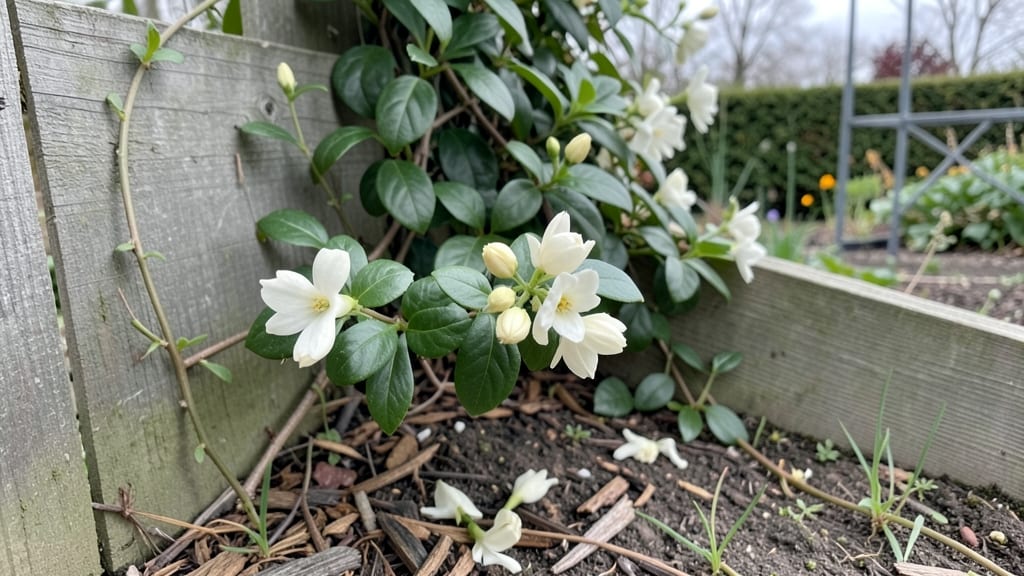
Jasmine blooms typically twice yearly—spring and summer—though some varieties produce intermittent fall flowers. Proper pruning after blooming and consistent care can encourage more frequent, abundant flowering in ideal climates like USDA zones 7-10.
Understanding your jasmine's blooming rhythm starts with recognizing its natural growth patterns—most varieties follow a spring-to-summer cycle because they respond to warming temperatures and longer daylight. 🌸 For instance, Jasminum sambac (commonly called Arabian jasmine) often produces heavier fragrance in summer, while Jasminum officinale (common jasmine) may linger into early fall if conditions are ideal.
The key difference lies in their sensitivity to temperature drops; even a slight chill can trigger dormancy in some types.
What many gardeners overlook is that light exposure plays a bigger role than most realize—partial shade in hot climates (like zones 7-10) actually preserves bloom intensity, while full sun can exhaust the plant.
I’ve found that deadheading spent blooms immediately after they fade redirects the plant’s energy toward new growth, which can extend the flowering season by 2-3 weeks in optimal conditions.
💡 In This Article
- Jasmine Flowering Seasons by Variety
- Pruning and Care Tips to Extend Jasmine Blooming
Jasmine flowering seasons by variety
The most common jasmine types exhibit distinct blooming rhythms shaped by their native climates. Jasminum officinale (common jasmine) thrives in temperate zones and typically produces its first flush of flowers in late spring (April-May), with a second peak in early summer (June-July).
This variety's blooms often last 3-5 days per flower but can continue for 6-8 weeks if conditions are ideal. The key trigger is daytime temperatures consistently above 65°F, combined with 14+ hours of daylight—a perfect match for USDA zones 7-10.
Jasminum sambac (Arabian jasmine) follows a different pattern, favoring warmer climates where it blooms primarily in summer (July-August) and may produce occasional fall flowers if temperatures stay above 70°F. What sets it apart is its sensitivity to humidity—high moisture levels (like 60-70% relative humidity) actually intensify its fragrance and prolong bloom duration. In tropical regions, this variety can flower year-round with minimal seasonal variation, though the intensity typically peaks during monsoon transitions when both temperature and moisture are optimal. 🌿
The flowering intensity also depends on the plant's age and health. Young jasmine plants (1-2 years old) may produce only sporadic blooms as they establish root systems, while mature specimens (3+ years) can cover themselves in flowers.
For example, a 5-year-old Jasminum officinale vine might produce 50-100 blooms per season under ideal conditions, whereas a 2-year-old plant might yield only 10-20 flowers. This growth-stage difference explains why many gardeners see dramatic improvements in flowering after their third growing season.
Daylight hours play a critical role in triggering blooms. Most jasmine varieties are short-day plants, meaning they respond to decreasing daylight in late summer by initiating flower buds.
However, Jasminum polyanthum (star jasmine) bucks this trend—it's a long-day plant that blooms most prolifically when days exceed 12 hours, making it better suited for northern climates where summer daylight extends late into the evening.
This physiological difference is why star jasmine often flowers 2-3 weeks earlier than its counterparts in the same region.
Climate shifts can dramatically alter blooming patterns. In cooler zones (USDA 6 or below), jasmine may enter dormancy earlier, with blooms confined to a 4-6 week window in late spring.
Conversely, in tropical zones (USDA 11+), some varieties like Jasminum grandiflorum can produce continuous blooms with only minor seasonal fluctuations. The intensity of fragrance also varies—summer blooms often carry stronger scents because higher temperatures accelerate the production of volatile organic compounds responsible for jasmine's signature aroma. 🌸
One fascinating exception is Jasminum nudiflorum (winter jasmine), which blooms in late winter (January-February) despite its name. This variety responds to cold periods rather than heat, producing bright yellow flowers that contrast sharply with its bare branches.
While not a true jasmine in the same botanical family, its blooming pattern demonstrates how environmental cues can completely reshape flowering cycles across related plants.