
Blooming
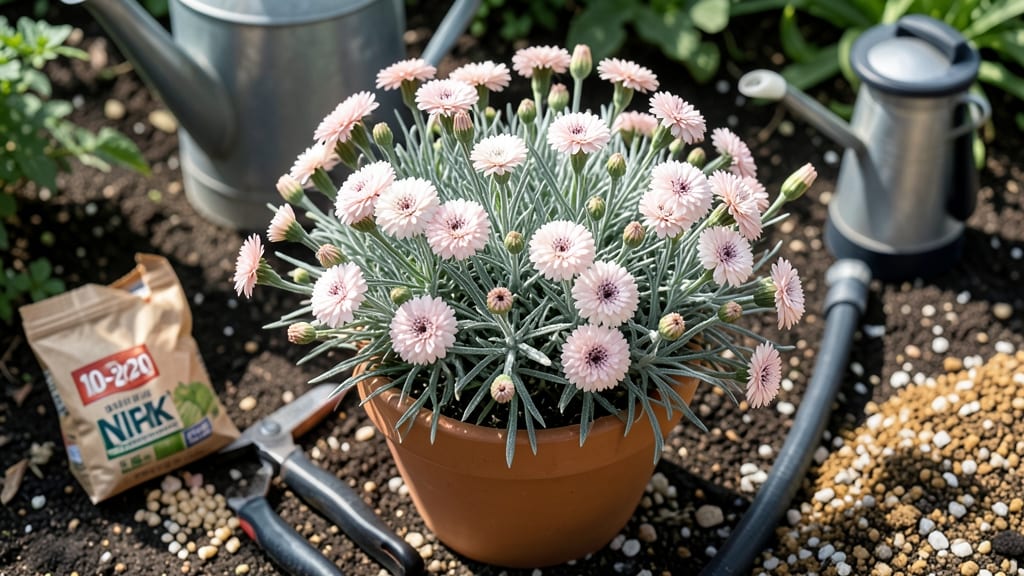
My dianthus plants used to put out a handful of flowers and then call it quits—but that all changed when I discovered the secret to how to get dianthus to bloom more nonstop. 🌸 The trick isn’t just water or sunlight (though those matter), but a combination of strategic pruning, smart feeding, and deadheading that keeps them producing flowers like clockwork.
After my first overgrown, half-blooming season, I swore off the "set it and forget it" approach—and now my plants look like they’re in a nursery display all summer long.
Start with the basics: full sun (at least 6 hours daily) and well-draining soil—dianthus hates soggy roots. Once established, they’re surprisingly low-maintenance, but the real magic happens when you prune after each flush of blooms.
Snip spent flowers down to the next set of leaves, and you’ll trigger new buds within weeks. I’ve seen plants go from sparse to lush in just 30 days with this simple habit.
Feed them lightly but consistently with a balanced fertilizer (10-10-10) every 4-6 weeks during growing season, and watch the blooms multiply. The key is to avoid heavy-handedness—too much nitrogen makes them focus on leaves, not flowers.
By late summer, I cut back on feeding to let the plants toughen up for winter, and they bounce back stronger in spring.
This method works for both outdoor borders and container gardens, though potted dianthus may need slightly more frequent watering. The payoff? Clusters of blooms that last from early summer through fall, with minimal effort. Here’s how to make it happen without the guesswork.
📚 In This Guide
- What you need
- Instructions
- Tips and common mistakes
- Wrapping up and next steps
What you need
- ● Pruning shears or sharp scissors – Clean, sharp tools (sterilized with rubbing alcohol) to avoid damaging plants.
- ● Balanced, water-soluble fertilizer – Look for a 10-10-10 or 20-20-20 NPK ratio (e.g., Miracle-Gro All Purpose). 2 tbsp per gallon of water is a good starting dose.
- ○ Slow-release granular fertilizer – Optional but helpful for steady nutrition (e.g., Osmocote Smart-Release). Apply 1 cup per 10 sq ft in early spring.
- ● Compost or organic matter – Well-aged compost or worm castings to enrich soil. Mix 2-3 inches into the top 6 inches of soil before planting.
- ○ Mulch (optional but recommended) – Organic mulch (straw, pine bark, or shredded leaves) to retain moisture and regulate soil temperature. 2-3 inches thick is ideal.
- ● Watering can or hose with a gentle spray nozzle – Dianthus prefers even moisture but hates soggy roots.
- ○ Gloves (optional) – To protect hands from thorns (some varieties have them!) and soil-borne pathogens.
- ● Well-draining soil – Dianthus hates soggy feet. Amend heavy clay with perlite or sand if needed.
- ● Full sun to partial shade – 6+ hours of sunlight daily for optimal blooming (partial shade in hot climates).
- ● Patience and consistency – Blooms thrive with regular care, so stick to your routine!
Step-by-step guide to encourage dianthus to bloom more
Here's how to transform your dianthus into a nonstop blooming powerhouse—no fancy tools needed.
✂️ Step 1: Deadhead Regularly for Continuous Blooms
Pinch off spent flowers the moment they fade—this prevents seed formation and redirects energy into new buds. I use my thumb and forefinger to gently twist off the entire flower head, including the tiny seed pod just forming. You'll see fresh buds appear within 2-3 weeks if you stay consistent.
Don't wait until flowers turn brown or fall off naturally. The key moment is when petals start curling back—they're about to drop, and that's when you should act. I check my dianthus every 3-4 days during peak bloom season to keep them producing.
🌿 Step 2: Prune for Airflow and Shape After First Major Bloom
Once your dianthus has finished its first big flush of flowers, give it a light pruning to encourage a second round. Cut back stems by about one-third just above a set of leaves or a bud. This removes old growth and stimulates new shoots from the base.
Use sharp scissors or pruners to make clean cuts at a 45-degree angle. Avoid cutting into woody stems—focus on the softer growth near the top. You'll notice new growth emerging within 3-4 weeks, and this second flush often produces even more vibrant blooms.
💧 Step 3: Water Deeply but Infrequently to Avoid Leggy Growth
Dianthus hate soggy roots, but they also resent shallow watering that leads to weak stems and sparse blooms. Water deeply once a week until water runs out the drainage holes, then let the soil dry out completely before watering again. This encourages strong root development and robust stems that support more flowers.
Check soil moisture by sticking your finger 1 inch down—if it feels dry, it's time to water. Avoid wetting the foliage when you water, as this can promote fungal diseases. You'll see healthier plants with more blooms when they're properly hydrated but not waterlogged.
☀️ Step 4: Feed with Balanced Fertilizer After Each Major Bloom Cycle
Apply a balanced 10-10-10 fertilizer or a gentle organic option like fish emulsion every 4-6 weeks during the growing season. I mix it at half-strength to avoid burning the plants, and I always water the soil first to help distribute the nutrients evenly.
Stop fertilizing in late summer to allow the plants to prepare for dormancy. Over-fertilizing late in the season can lead to weak growth that won't survive winter. You'll notice more abundant blooms and richer colors when the plants receive regular, moderate feeding.
🌱 Step 5: Provide Full Sun and Well-Draining Soil
Dianthus need at least 6 hours of direct sun daily to produce their best blooms. If your plants are in partial shade, they'll focus on leaf growth rather than flowers. Move them to a sunnier spot if possible, or supplement with a grow light if you're growing them in containers.
Ensure the soil drains quickly—dianthus roots rot easily in heavy, compacted soil. Amend garden beds with sand or perlite if needed. You'll see more frequent and longer-lasting blooms when the plants get the sunlight and drainage they crave.
Tips & tricks for nonstop dianthus blooms
These simple secrets will turn your dianthus into a flowering machine—no green thumb required.
Deadheading Timing: The 2-3 week window after deadheading is when new buds form, so don't skip this step! I've found that pinching off flowers in the morning gives them the whole day to recover before nightfall. This morning routine prevents stress on the plant and keeps the energy flowing toward new blooms.
Pruning Precision: When you cut back those stems by one-third, make sure you're targeting the softer new growth near the top—not the woody stems at the base. This encourages bushier plants with more flower stems. I like to use clean pruners and make cuts at a 45-degree angle to prevent water from pooling on the stem, which can lead to rot.
Watering Wisdom: That one-inch soil moisture check is crucial—dianthus roots need to dry out completely between waterings. I've learned the hard way that soggy soil leads to weak stems and fewer blooms. If your plants are in containers, they'll dry out faster than in-ground plants, so you might need to water every 5-6 days instead of weekly.
Fertilizing Fine Points: The 4-6 week feeding schedule works best when you water the soil first. This helps distribute the nutrients evenly and prevents burning the roots. I've had great success using a liquid fertilizer mixed at half-strength—it's gentler on the plants and just as effective for encouraging those vibrant blooms.
Pro Tips for Get Dianthus To Bloom More
- These simple secrets will turn your dianthus into a flowering machine—no green thumb required.
- Deadheading Timing: The 2-3 week window after deadheading is when new buds form, so don't skip this step!
- Pruning Precision: When you cut back those stems by one-third, make sure you're targeting the softer new growth near the top—not the woody stems at the base.
Frequently asked questions
about encouraging your dianthus to bloom more—because even the most patient gardeners need a little extra guidance! Here are answers to the questions we hear most often.Why isn’t my dianthus blooming at all?
If your dianthus is putting out leaves but no flowers, it might need more sunlight (at least 6–8 hours daily) or a nutrient boost. Overcrowding or lack of pruning can also stunt blooms. Try deadheading spent flowers and fertilizing lightly with a low-nitrogen, high-phosphorus formula to encourage flowering.
When is the best time to prune dianthus for more blooms?
Prune right after the first flush of flowers (spring or early summer) to promote bushier growth and continuous blooming. Avoid heavy pruning in late summer or fall, as this can prevent next year’s flowers from setting. A light trim in early spring also helps refresh the plant.
Does dianthus need winter care to bloom better next year?
Yes! In colder climates, mulch around the base with 2–3 inches of organic mulch (like straw or shredded leaves) to protect roots. In mild winters, dianthus may stay green, but a light pruning in late winter helps remove dead growth and encourages fresh, vibrant blooms in spring.
Can I grow dianthus in containers for more blooms?
Container-grown dianthus often blooms even more prolifically because you can control soil quality and drainage. Use a well-draining potting mix, a pot with drainage holes, and fertilize regularly. Place containers in full sun and deadhead flowers consistently for nonstop color.
What pests or diseases stop dianthus from blooming?
Common culprits include aphids, spider mites, or powdery mildew, which weaken the plant. Treat aphids with neem oil or insecticidal soap, and ensure good airflow to prevent mildew. Overwatering can also stress dianthus, so let the soil dry slightly between waterings. Healthy plants bloom better!
Wrapping up and next steps
With the right care, your dianthus can burst into vibrant, nonstop blooms that brighten up any garden! 🌸 Focus on pruning, feeding, and deadheading—plus a little attention to sunlight and soil—to keep those flowers thriving. The key is consistency, so don’t be discouraged if results take a little time.
Now that you’re armed with tips, grab your shears and get growing! Start with one plant this season, experiment with a few adjustments, and watch your dianthus reward you with showstopping color. Happy gardening! 🌱