
Pruning
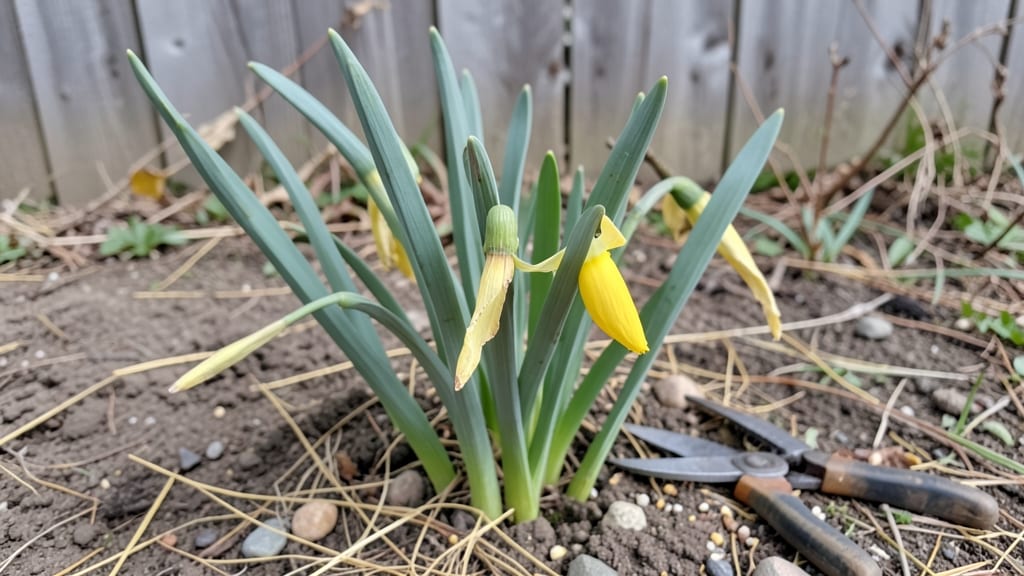
Trimming daffodils after they bloom isn’t just about tidying up—it’s the secret to next year’s showstopper flowers. ✨ I’ve learned the hard way that cutting too soon means fewer blooms later, but the right timing keeps your garden packed with those cheerful trumpets.
The key is patience: wait until the foliage turns completely yellow before you touch a blade.
You only need two things: sharp bypass pruners and a clear day to work. Grab your tools when the leaves have fully yellowed and dried back, usually 6-8 weeks after the blooms fade.
This gives the bulb time to store up energy for next spring’s flowers. No fancy equipment—just clean cuts and a light touch.
Once you trim, leave the clippings in place or compost them—they’re packed with nutrients. The real magic happens underground as the bulb recharges. By next spring, you’ll see stronger stems and bigger blooms, all because you gave the plant time to recover properly.
This simple step transforms a one-season flash into a long-term display.
Works for all daffodil varieties, whether you’ve got classic yellows, fiery oranges, or even those rare two-tone beauties. The same rules apply—just adjust your timing based on your climate. Now grab those pruners and let’s get to work!
📚 In This Guide
- What you need
- Instructions
- Tips and common mistakes
- Wrapping up and next steps
What you need
- ● Sharp bypass pruners or hand pruners – Must be clean and sharp (1 pair, bypass-style recommended for clean cuts).
- ○ Garden gloves – Durable, cut-resistant (1 pair, optional but helpful for thorny stems).
- ● Disinfectant (70% isopropyl alcohol or bleach solution) – 1:9 bleach-to-water ratio (for sterilizing tools between cuts).
- ○ Garden twine or plant ties – Optional but useful for securing stems if you’re staking them.
- ● Compost bin or bag – For disposing of trimmed foliage (1 large bag or direct access to compost pile).
- ● Knee pad or small stool – For comfort if trimming large patches.
- ● Labeling tags or markers – If you’re experimenting with different trimming techniques.
- ● Pruning saw (for thick stems) – Only if your daffodils have unusually thick growth (rare for most varieties).
Step-by-Step instructions for trimming daffodils after they bloom
Here’s how I keep my daffodils thriving year after year—no guesswork, just clean cuts and happy bulbs.
🌱 Step 1: Wait Until Flowers Fully Fade
Don’t trim too soon—wait until the petals drop completely and the foliage starts yellowing. This ensures the bulb stores enough energy for next year’s blooms. I check daily after the last flower wilts; once the stem feels hollow when squeezed, it’s time to act.
If you cut too early, the bulb won’t replenish its nutrients, and you’ll get fewer—or no—flowers next spring. Patience here pays off in bold, vibrant blooms.
✂️ Step 2: Cut Stems at the Right Height
Use clean, sharp pruners to snip stems at about 2 inches above the base. This leaves enough foliage to photosynthesize and feed the bulb while keeping the garden tidy. Avoid ripping stems—clean cuts prevent disease and look intentional.
I always mark the 2-inch line with a small piece of tape or a pencil on the stem before cutting. This ensures consistency, especially if you’re trimming multiple clumps. Never yank stems—this can damage the bulb.
🌿 Step 3: Leave Foliage Until It Yellows Naturally
After cutting the stems, let the yellowing leaves stay in place until they turn completely brown and crispy. This can take 4-6 weeks, depending on your climate. Resist the urge to remove them early—this is when the bulb is storing energy.
If your daffodils are in a high-traffic area, you can gently tie the foliage into a loose bundle with twine. This keeps it out of the way while still allowing sunlight to reach the leaves. Watch for the leaves to dry out completely before removing them.
💧 Step 4: Water and Fertilize for Bulb Revival
Give the area a deep watering after trimming to help the remaining foliage absorb nutrients. Use 1 inch of water per week until the leaves turn brown. I like to water in the early morning so the soil has time to dry slightly before evening.
Apply a balanced, low-nitrogen fertilizer (like 10-10-10) in early fall to encourage strong bulb growth. This isn’t the time for high-nitrogen feeds—those promote leafy growth at the expense of flower buds. A light application is all you need.
⏰ Step 5: Mulch and Prepare for Dormancy
Once the foliage is completely brown and crispy, remove it and apply a 2-3 inch layer of mulch around the base. I use shredded bark or straw—it insulates the bulbs through winter and suppresses weeds. Avoid piling mulch directly against the stems.
This is also the time to check for pests or diseases. If you spot any, treat them immediately before the ground freezes. Healthy bulbs now mean stunning blooms next spring.
Tips & tricks for perfect daffodil trimming
These simple strategies will help you keep your daffodils healthy and thriving for years to come.
Timing is Everything: I can't stress this enough—waiting for that hollow stem test in Step 1 is crucial. The bulb needs all that yellowing foliage to store energy for next year's blooms. If you're unsure, squeeze the stem gently: if it feels hollow, it's time to trim. This simple test has saved me from weak blooms in future seasons.
Precision Cutting: For Step 2, I've found that marking the 2-inch line with a small piece of masking tape makes all the difference. This ensures consistency across multiple clumps, especially when you're trimming dozens of stems. Using clean, sharp pruners prevents tearing and disease—never use dull shears that can crush the stems.
Climate Considerations: The 4-6 week window in Step 3 can vary dramatically based on your location. In cooler climates, you might see that crispy brown foliage in 6 weeks, while warmer areas could reach it in just 4. Watch for the leaves to dry out completely before removing them—this is your signal that the bulb has finished storing energy.
Watering Wisdom: When you're giving that deep watering in Step 4, focus on the base of the plant rather than spraying leaves. Early morning watering prevents fungal issues that can develop from evening moisture. I've seen daffodils thrive with this simple adjustment, especially in humid climates.
Pro Tips for Trim Daffodils After They Bloom
- These simple strategies will help you keep your daffodils healthy and thriving for years to come.
- Timing is Everything: I can't stress this enough—waiting for that hollow stem test in Step 1 is crucial.
- Precision Cutting: For Step 2, I've found that marking the 2-inch line with a small piece of masking tape makes all the difference.
Frequently asked questions
Got questions about trimming daffodils after they bloom? You’re not alone! Here are some common concerns—answered simply and with confidence.
When is the best time to trim daffodils after they’ve bloomed?
Wait until the foliage turns yellow and wilts completely (about 6–8 weeks after blooming). Trimming too soon can rob the bulb of energy for next year’s flowers. Think of it like waiting for a plant’s “summer vacation” to end before pruning—patience pays off!
What if I accidentally cut the leaves too early?
No stress! If you trimmed early, don’t panic—just monitor the plant. If the leaves are still green, let them stay until they naturally yellow. If they’re mostly gone, water deeply and fertilize lightly to help the bulb recover. Nature’s got a way of bouncing back!
Can I trim daffodils with shears or should I pull them out?
Use sharp pruning shears to cut stems 2–3 inches above the foliage. Avoid pulling leaves—this can damage the bulb. Shears give a clean cut, reducing disease risk and keeping your garden tidy. Pro tip: Sterilize shears with rubbing alcohol between plants!
What if my daffodils keep dying after blooming?
Check for these red flags:
- Overwatering: Daffodils hate soggy soil—ensure drainage.
- Lack of sunlight: They need 6+ hours of sun daily.
- Fungal issues: Trim diseased foliage immediately and space plants for airflow.
Can I trim daffodils in summer or fall?
Nope! Summer trims can shock the plant, and fall trims might leave it vulnerable to frost. Stick to late spring/early summer after blooming. If you’re unsure, wait until the foliage is fully yellow—it’s your plant’s way of saying, “I’m done for the year!”
Wrapping up and next steps
Trimming daffodils after they bloom is a simple yet powerful way to keep your garden thriving and ensure stunning blooms next season! 🌱 By following the right steps—like deadheading spent flowers, cutting back foliage gradually, and avoiding over-trimming—you’re setting the stage for healthier plants and even more vibrant displays.
Don’t let hesitation hold you back; your garden will thank you!
Now that you’re equipped with the know-how, grab those shears and get pruning! For extra care, consider fertilizing or mulching afterward to give your daffodils a nutrient boost. Happy gardening—your future blooms are waiting! 🌼