
Pruning
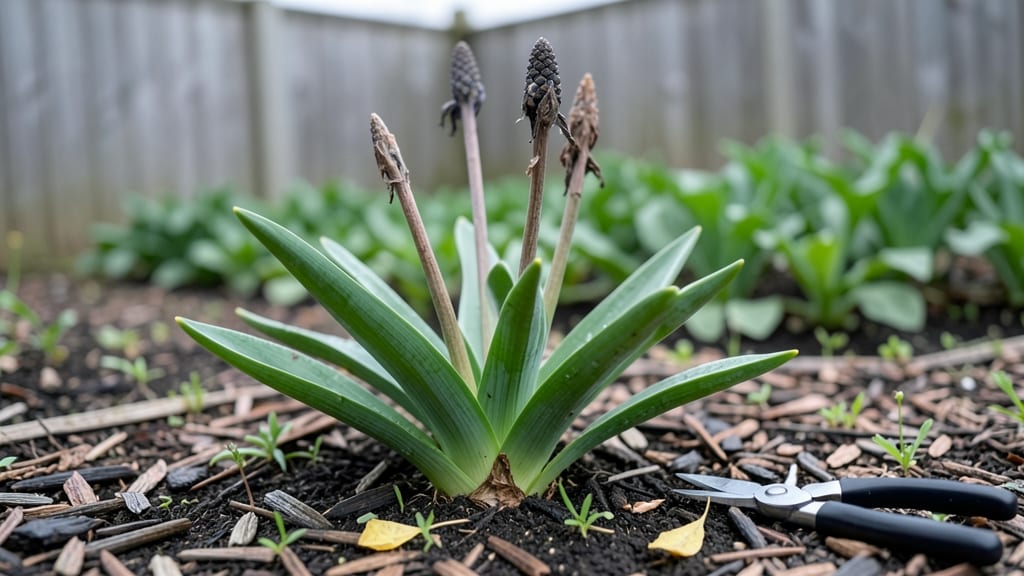
Trimming hyacinths after blooming isn’t just about tidying up—it’s the secret to next year’s showstopper flowers. 🌸 I’ve learned the hard way that cutting too soon or too late can starve those bulbs of energy, leaving you with sad, weak blooms.
The key is patience and timing, and I’ll walk you through exactly when and how to do it right.
Start by deadheading the faded blooms as soon as they wilt—snip the flower stalks down to the base, but leave the green foliage alone. That’s where the magic happens: the leaves photosynthesize, feeding the bulb for next season.
Most gardeners rush to cut everything back, but waiting until the leaves turn yellow (usually 6-8 weeks after blooming) ensures your hyacinth stores up enough energy for another glorious spring display.
Once the foliage yellows completely, it’s safe to trim it back by about half, leaving a few inches above the soil. This prevents disease while still letting the bulb finish its energy reserve.
The result? Stronger roots, healthier bulbs, and flowers that come back bigger and bolder than the year before. No more scraggly stems or half-hearted blooms—just reliable, vibrant hyacinths year after year.
This method works for hyacinths grown in garden beds, containers, or even as forced indoor blooms. The only real mistake is cutting too early, so mark your calendar 6-8 weeks post-bloom and resist the urge to tidy up prematurely. Your future self—and your neighbors—will thank you.
📚 In This Guide
- What you need
- Instructions
- Tips and common mistakes
- Wrapping up and next steps
What you need
- ● Pruning shears or sharp garden scissors – Choose sterilized, bypass-pruning shears (4-6 inch blades) for clean cuts. Avoid dull tools that crush stems!
- ○ Gloves (optional but recommended) – A pair of gardening gloves (nitrile or leather) to protect hands from sap and debris.
- ● Compost bin or mulch – A small container or bag to collect trimmed foliage for composting (hyacinth leaves break down well!).
- ● Watering can or hose with a gentle spray nozzle – For post-trimming hydration (1-2 gallons of water, depending on plant size).
- ● Fertilizer (balanced, low-nitrogen option) – A 5-10-10 or 10-10-10 granular fertilizer (1 tbsp per bulb) to replenish nutrients after blooming.
- ● Disinfectant spray (70% isopropyl alcohol or bleach solution) – Spray tools before/after use to prevent disease spread.
- ● Stakes or plant labels – If you’re dividing bulbs, mark new planting spots to avoid confusion.
- ● Knee pad or small stool – For comfort if trimming larger patches or ground-level hyacinths.
- ● Pruning saw (for stubborn stems) – Only needed if stems are thick and woody (rare for hyacinths but useful for stubborn cases).
Step-by-step guide to reviving hyacinths after flowering
Here's how to keep your hyacinths thriving for years—no fancy tools needed.
✂️ Step 1: Wait Until Flowers Fade Naturally
Don't cut back too soon. Let the flower stalks yellow completely and wither on their own—this ensures the bulb stores energy for next year. I always wait until the stalks look completely dry and papery to the touch, usually about 4-6 weeks after blooming. Cutting too early can weaken the bulb.
Use clean, sharp pruners to trim the entire flower stalk down to about 1 inch above the bulb. This prevents disease from lingering in dead tissue while leaving enough stem to protect the bulb during dormancy. If you have multiple clumps, I like to trim them all at once—it makes the garden look tidier and signals the plant it's time to rest.
🌱 Step 2: Leave Foliage Until It Yellows Completely
Here's the thing—never remove the leaves until they turn completely yellow and crispy. The foliage photosynthesizes for the bulb, storing food for next year's blooms. I've seen beginners cut leaves too soon, and their hyacinths never rebloom as strongly.
Wait until the leaves are dry and brown before trimming them at the base. You'll know it's time when they crumble easily between your fingers. If you're unsure, leave them a little longer—the bulb won't mind. Once the leaves are gone, you can remove the dried stalks entirely if they're unsightly.
☀️ Step 3: Feed and Water for Bulb Strength
After trimming, give your hyacinths a balanced bulb fertilizer (like 10-10-10) mixed at half strength. Water deeply but let the soil dry slightly between waterings—hyacinths hate soggy roots. I apply the fertilizer in early summer when new growth starts, then again in early fall before dormancy.
If your hyacinths are in the ground, mulch lightly with 2-3 inches of organic mulch (like shredded bark) to retain moisture and regulate soil temperature. For container-grown bulbs, reduce watering gradually as the foliage dies back, mimicking natural drying conditions. This prepares them for their dormant period.
⏰ Step 4: Prepare for Dormancy (Late Summer)
By late summer, your hyacinths will look completely dormant. This is normal—they're recharging for next spring. If you're in a hot climate, reduce watering to once every 2-3 weeks unless the soil is extremely dry. In cooler regions, a light watering every 4-6 weeks keeps them alive without encouraging new growth.
If you notice any mold or rot around the base, trim away affected areas immediately and improve drainage. Healthy bulbs should feel firm and plump when dug up later. I like to mark their location with small stakes so I don't accidentally disturb them during fall planting or spring cleanup.
🌿 Step 5: Plant or Replant in Fall (Timing Matters!)
Hyacinths need 6-8 weeks of cool soil before winter to establish roots. In most climates, this means replanting by mid-to-late October. Dig up bulbs carefully, removing any old mulch or debris, and store them in a cool, dry place (like a mesh bag in the fridge) if replanting is delayed.
When replanting, place bulbs 6 inches deep and 4-6 inches apart in well-draining soil. A handful of bone meal mixed into the planting hole gives them a slow-release phosphorus boost for root growth. Water lightly after planting to settle the soil, then let nature take its course—your hyacinths will thank you next spring with bigger, brighter blooms.
Tips & tricks for perfect hyacinth revival after blooming
Keeping your hyacinths thriving year after year takes patience—but these simple tricks make all the difference.
Timing is Everything: Those 4-6 weeks after blooming are critical for bulb energy storage. I've seen gardeners rush this step and end up with weak blooms the next spring. Mark your calendar when the flowers fade—this is when the real work begins. If you're unsure when to start, just wait until the flower stalks feel completely dry and papery to the touch. This natural drying process signals the bulb it's time to rest and recharge.
Don't Skimp on the Leaves: I can't stress this enough—leave those yellowing leaves until they're completely crispy and crumble easily. The foliage is like the plant's battery, storing energy for next year's blooms. I've made the mistake of cutting leaves too soon, and my hyacinths never rebloomed as strongly. Think of it as letting the plant "pay its bills" before taking a break. Once the leaves are fully brown and dry, you can safely remove them, but don't rush this process.
Fertilizer Timing Matters: When you apply that balanced bulb fertilizer (like 10-10-10) at half strength, timing is everything. The first application in early summer gives the bulb a boost as new growth starts, while the second application in early fall prepares it for dormancy. I like to think of it as giving the bulb a "spring clean" and then a "winter prep" in one growing season. Always water deeply after fertilizing to help the nutrients reach the roots.
Dormancy Prep for Containers: Container-grown hyacinths need special attention during dormancy. Gradually reduce watering as the foliage dies back—this mimics natural drying conditions and prevents rot. By late summer, you should be watering only every 2-3 weeks in hot climates or 4-6 weeks in cooler ones. If you notice any mold or rot at the base, trim it away immediately and improve drainage. Healthy bulbs should feel firm and plump when you check them later.
Pro Tips for Trim Hyacinth After Blooming
- Keeping your hyacinths thriving year after year takes patience—but these simple tricks make all the difference.
- Timing is Everything: Those 4-6 weeks after blooming are critical for bulb energy storage.
- Don't Skimp on the Leaves: I can't stress this enough—leave those yellowing leaves until they're completely crispy and crumble easily.
Frequently asked questions
Still have questions about trimming your hyacinths? Here are answers to some of the most common concerns—so you can keep those bulbs thriving with confidence!
When is the best time to trim hyacinths after they bloom?
Wait until the foliage turns yellow and wilts (about 6–8 weeks after blooming). Trimming too early can weaken the bulb for next year’s flowers. Think of it like giving your plant a well-deserved rest before its next big performance!
Can I cut the stems right after the flowers fade?
No—leave the stems intact until the leaves yellow completely. The foliage photosynthesizes, storing energy back into the bulb for future blooms. Skipping this step might mean fewer (or smaller) flowers next spring!
What if my hyacinth leaves turn brown but stay stiff?
Stiff, brown leaves are often dead and can be trimmed safely. If they’re still flexible or green-tinged, wait—these leaves are still feeding the bulb. Use sharp scissors to avoid tearing, and sterilize them with rubbing alcohol to prevent disease.
Do I need to remove the flower stalk at all after blooming?
You can cut back the flower stalk once it’s fully dried out (when it’s crisp and brown), but it’s not strictly necessary. Some gardeners leave it until the leaves yellow. Just avoid snipping healthy stems—focus on dead growth!
What if my hyacinth doesn’t bloom the next year?
If your bulb skips blooming, check these basics: proper watering (keep soil moist but not soggy), full sunlight (6+ hours/day), and well-draining soil. Over-fertilizing can also delay blooms—less is more! Try a balanced bulb fertilizer in fall for next year’s show.
Wrapping up and next steps
Trimming your hyacinths after blooming is a simple yet rewarding task that ensures vibrant flowers for seasons to come! By following these steps—deadheading, cutting foliage, and fertilizing—you’re giving your bulbs the care they need to thrive.
Remember, patience and consistency are key; your efforts will pay off with stunning blooms next spring.
Now that you’re armed with the know-how, grab your pruners and get gardening! 🌱 Ready to tackle another project? Check out our guide on how to divide and replant hyacinth bulbs for even more tips to keep your garden flourishing.