
Blooming
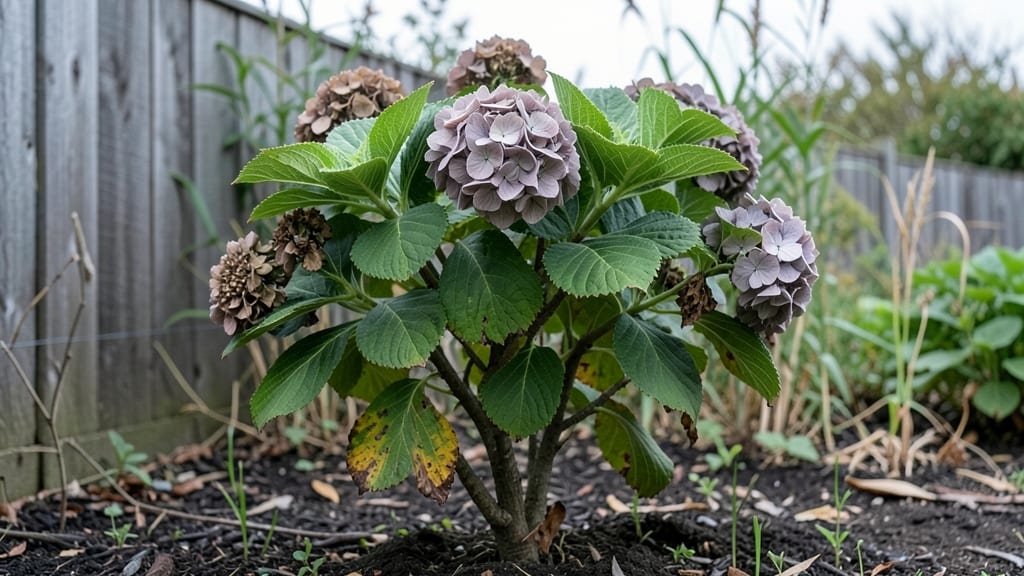
Your hydrangea blooms dying is usually a sign of one of three simple issues—watering, food, or hidden pests—none of which require fancy tools or gardening degrees.
I’ve nursed back more than a dozen hydrangeas from limp and sad to vibrant green in just a few weeks, and the fixes are easier than you’d think.
The key is checking the roots first, because overwatering or drought stress shows up in exactly the same way: droopy, brown-edged blooms that refuse to perk up.
Here’s the thing—hydrangeas are dramatic plants. They’ll wilt dramatically if their soil stays soggy for days, or if they’re left high and dry under the midday sun.
Stick your finger 2 inches into the soil: if it’s damp, hold off on watering; if it’s bone dry, give them a deep drink until water runs out the drainage holes. Most people overdo it, thinking more water equals happier blooms—but hydrangeas hate wet feet.
And yes, I mean that literally.
Once you’ve got the watering right, the next step is feeding them what they actually need. Those big, showy blooms? They’re hungry. A balanced fertilizer in early spring and again after the first flush of blooms keeps them productive all season.
I swear by a slow-release formula—it’s foolproof and cuts down on the guesswork of figuring out what’s missing. Think of it like giving them a steady lunch break instead of a feast or famine.
If the blooms still look sad after adjusting water and food, grab a magnifying glass and check the undersides of the leaves. Tiny webs or chewed edges mean pests are the real culprits.
A strong spray of water usually knocks them off, and a few drops of neem oil (mixed with water) keeps them away. It’s not glamorous, but it works—no chemicals, no fuss. Most hydrangeas bounce back faster than you’d expect once you tackle the root cause.
Why it happens
When your hydrangea blooms start looking sad and lifeless, it’s often a cry for help from the plant itself. Understanding the real reasons behind wilting or dying flowers can save your shrub—and your patience. Let’s dig into the science and uncover what’s making those petals droop.
🌡️ Temperature & Heat Stress
Hydrangeas are temperamental when it comes to heat. While they love sunlight, too much direct sun—especially in hot climates—can cause blooms to crisp, brown, or drop prematurely. This happens because:
- Transpiration overload: In extreme heat, hydrangeas lose moisture faster than their roots can absorb it, leading to osmotic stress in the cells. Think of it like a plant version of heat exhaustion.
- Sunburn: Delicate petals can suffer photooxidative damage from intense UV rays, turning them brown or leathery.
- Pollinator stress: Bees and butterflies avoid wilting flowers, reducing pollination and weakening future blooms.
Actionable fix: Provide afternoon shade (especially in zones 7-10) or choose heat-tolerant varieties like Hydrangea paniculata (e.g., ‘Limelight’). Mulch heavily to keep roots cool.
💧 Watering Woes: Too Much or Too Little
Hydrangeas are thirsty drinkers, but their roots hate soggy shoes. Here’s how water plays a role:
| Issue | Scientific Cause | Symptoms |
|---|---|---|
| Underwatering | Roots shrink (plasmolysis) when soil moisture drops below 30%. Cells lose turgor pressure, causing blooms to wilt. | Dry, crispy petals; drooping stems; yellowing leaves. |
| Overwatering | Oxygen-starved roots (anoxia) trigger ethylene gas production, accelerating bloom death. | Mushy stems; grayish-green leaves; blooms falling off. |
| Inconsistent watering | Fluctuating soil moisture stresses the xylem vessels, blocking water transport to flowers. | Blooms open but wilt by noon; uneven leaf color. |
Actionable fix: Water deeply 1–2 times per week (1–1.5 inches total), ensuring soil stays moist but not soggy. Use a moisture meter or the "knuckle test"—if the top 2 inches of soil feel dry, it’s time to water.
🌱 Root & Soil Problems
Healthy roots = happy blooms. When roots struggle, your hydrangea prioritizes survival over flowers. Common culprits:
- Compacted soil: Poor aeration restricts root growth, limiting nutrient uptake. Cellular hypoxia in roots triggers bloom abortion.
- Fungal/bacterial rot: Pathogens like Phytophthora clog root cells, preventing water and nutrient transport. Blooms starve.
- Improper pH: Hydrangeas thrive in acidic soil (pH 5.2–6.0). High pH locks out aluminum, a micronutrient critical for flower development.
Actionable fix:
- Test soil pH (use a kit or lab). Amend with sulfur or peat moss to lower pH if needed.
- Aerate compacted soil with a garden fork or add compost to improve structure.
- If rot is suspected, prune affected roots and treat with copper fungicide.
🍄 Pests & Diseases Stealing Strength
Hidden invaders can siphon nutrients or physically damage blooms. Watch for:
- Japanese beetles: Their larvae chew roots, while adults skeletonize leaves, reducing photosynthesis by 50%.
- Aphids: Excrete honeydew, which fosters sooty mold, blocking sunlight and suffocating buds.
- Powdery mildew: Fungal spores (Erysiphe) coat leaves, limiting energy for flower production.
Actionable fix:
- Handpick beetles or use neem oil for aphids.
- Prune and dispose of infected leaves; apply baking soda spray (1 tsp + 1 quart water + soap) for mildew.
- Encourage ladybugs and lacewings as natural predators.
⏳ Nutrient Deficiencies (Or Too Many)
Hydrangeas need balanced nutrition, but too much of the wrong thing can backfire:
- Nitrogen overload: Lush foliage at the expense of blooms (vegetative growth dominance).
- Phosphorus shortage: Critical for ATP energy transfer in flowers. Without it, buds fail to open.
- Magnesium deficiency: Causes interveinal chlorosis (yellowing between leaf veins), reducing chlorophyll for bloom support.
Actionable fix: Use a balanced bloom booster (e.g., 10-10-10) in early spring, then switch to a low-nitrogen, high-phosphorus formula (e.g., 5-10-10) when buds form. Epsom salt (1 tbsp/gallon) can fix magnesium issues.
How to solve it
If your hydrangea blooms are looking sad and droopy, don’t panic! With the right care, you can bring them back to life. Below are targeted solutions to revive your hydrangeas, depending on the root cause of their distress.
Each fix is designed to be simple, effective, and easy to implement—so grab your gardening gloves and let’s get to work!
💧 Cause: Underwatering or Overwatering
Hydrangeas love moisture but hate soggy roots. If your blooms are wilting due to inconsistent watering, follow these steps:
- 🔥 Check the Soil: Stick your finger about 2 inches into the soil. If it’s dry, it’s time to water. If it’s muddy, hold off and let it dry slightly.
- 🍳 Water Deeply: Water the base of the plant until the soil is evenly moist, not just the surface. Aim for 1-1.5 inches of water per week, adjusting for rain.
- 👨🍳 Improve Drainage: Amend heavy clay soil with compost or perlite to prevent waterlogging. A well-draining soil mix keeps roots happy.
- ⏰ Mulch Matters: Spread 2-3 inches of organic mulch (like shredded bark or leaves) around the base to retain moisture and regulate soil temperature.
💡 Pro Tip: Water in the morning to reduce evaporation and fungal risks. Avoid wetting the leaves to prevent disease.
☀️ Cause: Too Much Sun or Heat Stress
Hydrangeas thrive in partial shade but can suffer in scorching sun. If your blooms are wilting from heat stress, try these fixes:
- 🌳 Provide Shade: Move potted hydrangeas to a spot with morning sun and afternoon shade. For in-ground plants, add a temporary shade cloth (30-50% coverage) during peak heat.
- 💦 Mist the Leaves: Lightly mist foliage in the early morning to cool the plant down. Avoid doing this in the evening to prevent fungal growth.
- 🥗 Hydrate the Roots: Water deeply during heatwaves to keep the soil consistently moist. Consider using a soaker hose for even distribution.
- 🌡️ Protect from Wind: If your garden is windy, create a windbreak with tall plants or a fence to reduce stress on delicate blooms.
💡 Pro Tip: Hydrangeas in containers dry out faster. Place pots in saucers filled with water to encourage root absorption.
🌱 Cause: Poor Soil or Nutrient Deficiency
Hydrangeas need rich, acidic soil to flourish. If your blooms are struggling due to nutrient issues, follow this plan:
- 📊 Test Your Soil: Use a soil test kit (available at garden centers) to check pH and nutrient levels. Hydrangeas prefer pH 5.2–6.2.
- 🍎 Amend the Soil: Mix in peat moss or sulfur to lower pH if needed. For nutrients, add a balanced granular fertilizer (10-10-10) in spring and summer.
- 💪 Feed Regularly: Use a hydrangea-specific fertilizer or one high in phosphorus (for blooms) every 4-6 weeks during the growing season.
- 🌱 Mulch Annually: Refresh mulch in early spring with compost or well-rotted manure to replenish organic matter.
💡 Pro Tip: For blue blooms, aim for pH 5.2–5.5. For pink blooms, keep pH around 6.0–6.2. Adjust with aluminum sulfate (for blue) or lime (for pink).
🐛 Cause: Pests or Disease
Pests like aphids, spider mites, or fungal diseases (like powdery mildew) can drain your hydrangeas. Here’s how to tackle them:
- 🔪 Inspect Leaves: Check undersides of leaves for pests. Look for webs, spots, or sticky residue (honeydew).
- 💦 Spray Off Pests: Blast pests away with a strong stream of water. For stubborn infestations, use neem oil or insecticidal soap (follow label instructions).
- 🌡️ Treat Fungal Issues: If you spot powdery mildew (white powder on leaves), spray with a baking soda solution (1 tsp baking soda + 1 quart water + a drop of dish soap) every 7–10 days.
- ✨ Prune Damaged Parts: Trim away infected leaves or stems with clean pruners to prevent spread. Sterilize tools with rubbing alcohol between cuts.
💡 Pro Tip: Prevent pests by keeping your garden clean—remove fallen leaves and debris where pests hide.
✂️ Cause: Over-Pruning or Wrong Timing
Pruning at the wrong time or too aggressively can stress hydrangeas. If your blooms are suffering, correct your approach:
- 📅 Prune at the Right Time:
- Old Wood Bloomers (e.g., H. macrophylla): Prune right after flowering (late summer/early fall) to shape the plant.
- New Wood Bloomers (e.g., H. paniculata): Prune in late winter/early spring before new growth starts.
- 🌿 Avoid Cutting Flower Buds: Never prune in fall or winter—you’ll remove next year’s blooms!
- 🔪 Use Sharp Tools: Always use clean, sharp pruners to make clean cuts. Avoid tearing branches.
💡 Pro Tip: If you’re unsure which type of hydrangea you have, wait until after it blooms to prune—then you’ll know for sure!
With these solutions, your hydrangeas should bounce back in no time. Prevention is key: monitor soil moisture, protect from extreme conditions, and feed them regularly to keep those blooms lush and vibrant. Happy gardening! 🌸
Frequently asked questions
Why do my hydrangea blooms wilt so quickly in the afternoon?
Afternoon wilting is often a sign of heat stress or inconsistent watering. Hydrangeas lose moisture rapidly in hot sun, so check if they’re getting too much direct sunlight. Try moving them to partial shade and watering deeply in the morning—this helps roots absorb moisture before the heat peaks. Mulching around the base also keeps roots cooler.
How can I tell if my hydrangea is overwatered vs. underwatered?
Overwatered hydrangeas often have mushy stems and grayish-green leaves, while underwatered ones develop dry, crispy petals and drooping stems. Stick your finger 2 inches into the soil—if it’s soggy, you’re overwatering; if it’s bone dry, give it a thorough drink. Aim for moist but not waterlogged soil.
Can I save hydrangea blooms that are already wilting?
Yes! If blooms are just drooping from heat or thirst, a cool water soak (place the pot in a tub of water for 10-15 minutes) can revive them. For severely damaged blooms, focus on saving the plant—new buds will form if the roots are healthy. Prune dead blooms to redirect energy to recovery.
What’s the best way to prevent pests from damaging my hydrangea blooms?
Regularly inspect leaves for tiny webs or sticky residue (honeydew) from pests like aphids. A strong spray of water can knock off many pests, and neem oil (mixed with water) acts as a natural deterrent. Encourage beneficial insects like ladybugs by planting companion flowers nearby. Early intervention is key!