
Blooming
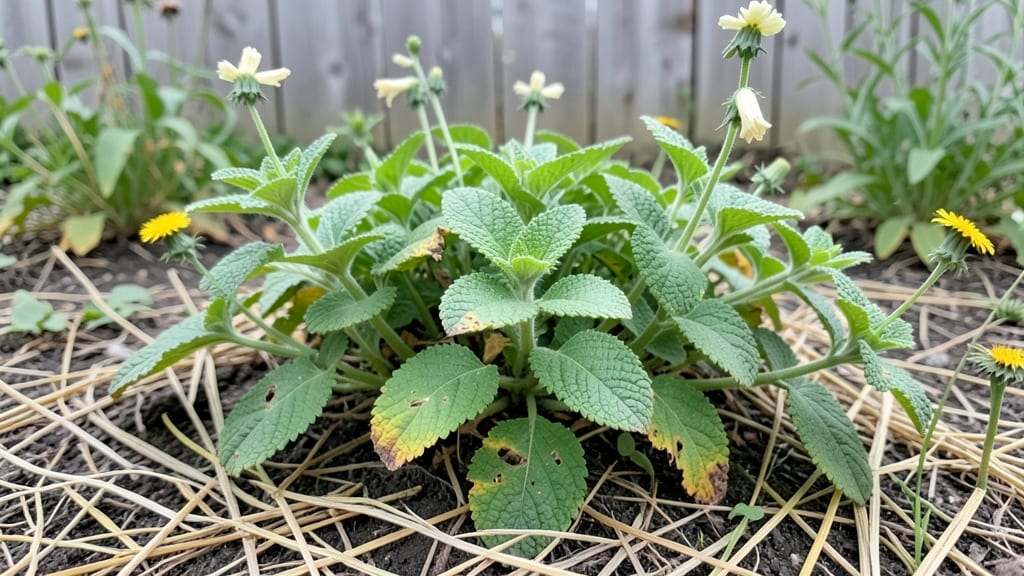
Lemon balm blooms produce small white to pale yellow flowers in late spring to early summer, typically between May and July, thriving in full sun with well-drained soil. Pruning spent blooms encourages prolonged flowering and denser foliage.
Lemon balm’s delicate blossoms aren’t just pretty—they’re a sign of a thriving plant!
These fragrant flowers attract pollinators like bees and butterflies, making your garden a buzzing hub of activity. 🌿 What’s fascinating is how their timing shifts with your location: Northern gardeners might see blooms as early as late May, while Southern climates often push them into June or July.
Even a slight adjustment in sunlight or soil moisture can nudge that window earlier or later.
💡 In This Article
- Lemon Balm Flowering Cycle Explained
- Pruning and Care Tips for Longer Lemon Balm Blooms
Lemon balm flowering cycle explained
The lemon balm flowering cycle kicks off when day length and temperature align just right. This perennial herb typically needs 14-16 hours of daylight (a process called photoperiodism) to trigger blooming.
The magic happens when average daily temperatures consistently reach 60-70°F, signaling the plant's internal clock that conditions are ideal for reproduction.
What's fascinating is how these triggers vary by region—plants in USDA Zones 5-9 may bloom earlier in the North (late May) than in the South (June-July), where summer heat arrives later.
Lemon balm's flowering mechanism involves a hormone called florigen, produced in leaves when exposed to sufficient light and warmth. This hormone travels to the plant's meristems (growth points), where it initiates flower bud formation.
The buds themselves are delicate, measuring just 0.25-0.5 inches wide, and emerge on 4-8 inch tall stems that rise above the plant's 1-3 foot foliage. The pale yellow centers contrast beautifully with the white petals, creating a subtle two-tone effect that pollinators find irresistible. 🌸
Soil pH plays a surprising role too—lemon balm thrives in neutral to slightly alkaline soil (pH 6.0-7.5), where nutrient uptake is optimal. In acidic soils (below pH 6.0), flowering may be delayed as the plant diverts energy to correcting the imbalance.
The plant's perennial nature means it builds root reserves each year, allowing it to "remember" optimal conditions and bloom more reliably with each passing season. This memory effect explains why established plants often flower more vigorously than young ones.
Here's what most gardeners miss: lemon balm's flowering cycle is actually a two-phase process. First comes the initial bloom (late spring), followed by a secondary flush if you deadhead promptly.
The plant's native range across Europe and Asia means it's adapted to temperate climates where these two blooms fit neatly into the growing season. In warmer climates, the second flush may extend into early autumn, while colder regions might see only one bloom cycle before winter dormancy sets in.
Temperature thresholds matter beyond just triggering blooms—they also determine flower longevity. Flowers exposed to consistent daytime highs above 80°F may wilt faster due to increased transpiration rates, while cooler mornings (below 70°F) help them last longer.
This is why gardeners in hot climates often see flowers lasting 3-5 days versus 5-7 days in cooler regions. The fragrance, which comes from volatile oils like citronellal, also peaks during these cooler morning hours, making early garden visits particularly rewarding. ✨
Regional variations create some surprising patterns. In the Pacific Northwest, lemon balm often blooms 2-3 weeks earlier than in the Midwest due to the ocean's moderating influence on temperatures.
Meanwhile, plants in desert Southwest regions might delay blooming until monsoon rains arrive, as they rely on increased soil moisture to trigger the flowering hormones. This adaptability is one reason lemon balm has naturalized so successfully in diverse climates worldwide.
The key takeaway? Lemon balm's flowering cycle is a delicate balance of light, temperature, and soil conditions—all working together like a botanical symphony. Understanding these triggers lets you create perfect conditions for your plants to perform their annual floral show with maximum vigor and duration. 🌿