
Blooming
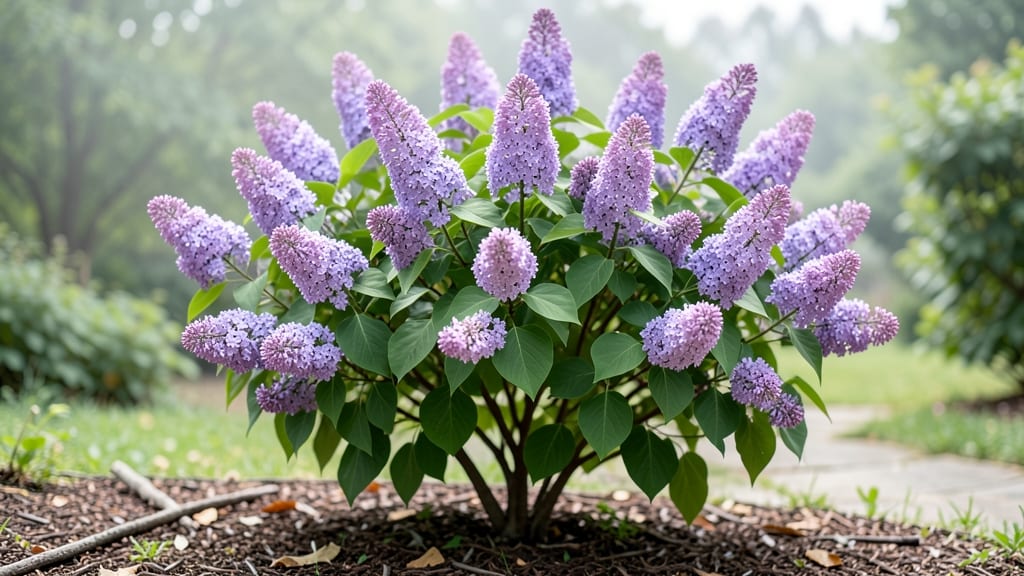
Lilacs burst into bloom when the air smells like spring and the bees start their first frenzy—usually late April to early May in most of the country, though your exact timing depends on where you live and which variety you grow. 🌸 I remember my first lilac season in New England: the moment those purple plumes appeared, the whole neighborhood stopped to breathe in that sweet, heady fragrance.
It’s not just about the flowers, though—it’s about the promise of summer that those blooms carry. The real magic happens when you understand what influences bloom time. Climate plays the biggest role: lilacs in the South might bloom in March, while those in the North wait until June.
Then there’s the variety—some bloom early (like 'Katherine Havemeyer'), others late (like 'Dwarf Korean'), and a few even rebloom if you prune them right. Even sunlight matters: a lilac in full sun will bloom earlier and more abundantly than one stuck in shade.
Once you know your lilac’s rhythm, you can work with it. Prune right after flowering to shape the bush and encourage next year’s blooms, but never cut into old wood—those are the branches that hold next season’s buds.
A little extra water during dry spells keeps them thriving, and a balanced fertilizer in early spring gives them the energy they need to put on a show. The best part? Lilacs reward patience.
With the right care, you’ll have fragrant clouds of color for decades—some bushes live for over a century. That’s not just a plant; it’s a living piece of your garden’s story.
📚 In This Guide
- What you need
- Instructions
- Tips and common mistakes
- Wrapping up and next steps
What you need
- ● Lilac plants (3–5 mature bushes for optimal fragrance and visual impact; choose varieties like Syringa vulgaris or Syringa meyeri for early-to-mid spring blooms).
- ● High-quality potting soil or garden soil (2–3 cubic yards, amended with compost for drainage and nutrients).
- ● Organic mulch (2–3 inches of wood chips or shredded bark to retain moisture and suppress weeds).
- ● Slow-release fertilizer (10-10-10 or a balanced organic option like fish emulsion).
- ● Pruning shears (sharp, sterilized tools for shaping and maintaining health).
- ● Garden trowel or spade (for digging planting holes, 6–12 inches deep).
- ● Watering can or hose with a gentle spray nozzle (for deep, even watering).
- ● Garden gloves (to protect hands while handling soil and plants).
- ● Measuring tape (to ensure proper spacing—lilacs need 6–10 feet apart for airflow).
- ○ Optional but helpful: A soil pH test kit (lilacs thrive in 6.0–7.0 pH; adjust with lime or sulfur if needed).
- ● Epsom salt (1 tablespoon per gallon of water for magnesium boosts during dormancy).
- ● Decorative stakes or trellises (if training climbing varieties like Syringa josikaea).
- ● A sunny location (lilacs need full sun—6+ hours daily for peak blooms).
- ● Well-draining soil (avoid waterlogged areas; amend clay soil with sand or perlite).
- ● Patience! Lilacs establish roots slowly—2–3 years for full fragrance potential. 💡 Pro tip: Plant in early fall or late winter for the best root growth before bloom time.
How to time lilac blooms for peak fragrance
Lilacs burst into bloom with a burst of color and scent—here’s how to coax the best performance from your plants.
🌱 Step 1: Know Your Lilac Variety’s Natural Bloom Window
Lilacs bloom in late spring, typically between mid-April and early June, depending on your climate zone. Early bloomers like Syringa vulgaris often open in April, while later varieties like Syringa meyeri may wait until May or June. Check your plant’s tag or research its specific cultivar—this tells you when to expect buds to swell and when to prepare for peak fragrance.
Watch for buds that look plump and slightly fuzzy—this is your first signal that bloom time is near. In colder zones, lilacs may need a winter chill period of 300-900 hours below 45°F to trigger blooming. If your area has mild winters, consider planting a variety that thrives in your specific conditions to ensure reliable blooms.
☀️ Step 2: Optimize Sun and Pruning for Timely Blooms
Lilacs need full sun (6-8 hours daily) to set strong flower buds the previous summer. If your plant is in partial shade, it may bloom later or produce fewer flowers. Move it to a sunnier spot at least a year before you expect blooms—transplanting right before flowering can stress the plant and delay blooms.
Prune lilacs right after they finish blooming (usually June or July). This ensures next year’s flowers form properly. Cut back old wood to just above a set of healthy buds—never prune in fall or winter, as this removes next year’s flower buds before they develop. Avoid heavy pruning unless necessary; lilacs bloom on old wood, so aggressive cuts can reduce or delay flowering.
💧 Step 3: Water and Feed for Strong, Fragrant Blooms
Lilacs are drought-tolerant once established, but deep watering every 1-2 weeks during dry spells keeps blooms vibrant. Water at the base of the plant (not overhead) to prevent fungal issues. If your soil is sandy or well-draining, you may need to water more frequently—check soil moisture by sticking your finger 2 inches deep; if it’s dry, water thoroughly.
Apply a balanced fertilizer (10-10-10 or 20-20-20) in early spring (before buds swell) and again after blooming. Avoid high-nitrogen fertilizers, which encourage leafy growth at the expense of flowers. A light mulch of 2-3 inches (like shredded bark) helps retain moisture and regulate soil temperature, which supports consistent blooming.
⏰ Step 4: Extend Bloom Time with Strategic Care
To prolong fragrance, deadhead spent blooms as soon as they fade—this encourages a second flush of flowers in some varieties. However, don’t cut back stems completely; leave 2-3 inches of stem to avoid removing next year’s buds. If you notice buds forming but not opening, your lilac may need more sunlight or a warmer microclimate—consider moving it closer to a south-facing wall or fence.
Lilacs thrive in USDA zones 3-7, but late frosts can damage buds. If frost threatens while buds are still tight, drape frost cloth over the plant until temperatures rise. Once blooms open, they’re hardy enough to handle light frosts, but heavy frost will blacken petals. Choose a sheltered spot to protect blooms from late-season cold snaps.
🌿 Step 5: Enjoy and Plan for Next Year’s Blooms
Once lilacs finish blooming, resist the urge to prune—wait until after the first hard frost in fall to remove any remaining seed pods (which can spread invasively). This keeps the plant tidy without sacrificing next year’s flowers. Take notes on bloom time, fragrance intensity, and any issues (like pests or weak growth) to refine care for future seasons.
For maximum fragrance, plant lilacs near patio seating, walkways, or windows where you can enjoy their scent up close. Pair them with complementary plants like roses or lavender to create a fragrant garden that lasts from early spring through summer. With the right care, your lilacs will reward you with years of reliable, intoxicating blooms.
Tips & tricks for perfect lilac bloom timing
A few simple strategies can transform your lilac's blooming experience from ordinary to extraordinary. Here's how to get the most from your fragrant garden star.
Variety-Specific Care: Not all lilacs bloom at the same time! Syringa vulgaris typically opens in April, while Syringa meyeri may wait until May or June. Pay attention to your plant's specific needs—some varieties require more winter chill (300-900 hours below 45°F) to trigger blooming. If you're in a mild climate zone, choose cultivars bred for your specific conditions to ensure reliable blooms each year.
Sunlight Secret: The 6-8 hours of full sun lilacs need isn't just about light—it's about consistent warmth. If your plant is in partial shade, it may produce fewer flowers or bloom later. Here's what I've learned: move plants to sunnier locations at least a year before expecting blooms. Transplanting right before flowering stresses the plant and can delay the process entirely.
Pruning Precision: Timing is everything when pruning lilacs. Always wait until after they finish blooming (usually June or July) to prune. Cut back old wood to just above a set of healthy buds—never prune in fall or winter as this removes next year's flower buds. Remember, lilacs bloom on old wood, so aggressive cuts can actually reduce or delay flowering. I've made this mistake and learned the hard way!
Frost Protection: Late frosts can damage tight buds, but there's a simple solution. If frost threatens while buds are still forming, drape frost cloth over the plant until temperatures rise. Once blooms open, they're hardy enough to handle light frosts, though heavy frost will blacken petals. Planting near a south-facing wall or fence creates a warmer microclimate that can help protect vulnerable buds.
Pro Tips for Lilac Bloom Time
- A few simple strategies can transform your lilac's blooming experience from ordinary to extraordinary.
- Variety-Specific Care: Not all lilacs bloom at the same time!
- Sunlight Secret: The 6-8 hours of full sun lilacs need isn't just about light—it's about consistent warmth.
Frequently asked questions
Got questions about lilac bloom time?
Here are some of the most common ones—plus quick answers to help you make the most of your fragrant garden moments.
When is the best time to plant lilacs for optimal blooming?
Plant lilacs in early spring (March–April) or fall (September–October) for the best results. This gives roots time to establish before winter or summer stress. Avoid planting in peak heat—lilacs thrive in cooler temperatures and need time to settle in before blooming season. Pro tip: Use well-draining soil and mulch to protect roots during extreme weather!
Why aren’t my lilacs blooming this year?
Lilacs often skip blooming due to young age (they need 3–5 years to mature), over-pruning (cutting back too late in the season), or poor nutrition (lack of phosphorus or potassium). Check for pests like borers or diseases like powdery mildew, which can stress the plant. If your lilac is healthy but not blooming, it might just be taking a break—patience is key!
Can I extend the lilac bloom time with care?
While you can’t stretch blooming indefinitely, you can maximize duration by deadheading spent flowers (removing faded blooms) and fertilizing lightly in early spring with a balanced 10-10-10 or phosphorus-rich formula. Water consistently but avoid overwatering—lilacs hate soggy roots. Bonus: Planting near a wall or fence can also warm the roots slightly, encouraging slightly longer blooms!
What’s the best way to enjoy lilac blooms indoors?
Cut stems at an angle and place them in cool water (change daily) for fresh bouquets. Remove lower leaves to prevent bacterial growth. For dried arrangements, hang stems upside down in a dark, dry place for 1–2 weeks. Timing matters: Harvest blooms when half are open for the longest vase life. Fun fact: Lilacs release their fragrance most intensely in the evening—perfect for a cozy indoor display!
Are there early- or late-blooming lilac varieties?
Yes! For early bloomers, try ‘Dwarf Korean’ (April–May) or ‘Bloomerang’ (reblooms in summer). For late blooms, ‘Miss Kim’ (May–June) or ‘Edax’ (June) shine. Hardiness zones vary, but most lilacs bloom between mid-spring and early summer. Check your local nursery for varieties suited to your climate—some even bloom in partial shade!
Still curious?
Drop your lilac questions in the comments—we’re happy to help you turn your garden into a fragrant paradise!
Wrapping up and next steps
Watching lilacs bloom is like unwrapping nature’s most fragrant gift—timing, care, and a little patience turn your garden into a twilight paradise. 🌸 Whether you’re a seasoned gardener or just starting, these blooms reward your efforts with intoxicating scents and breathtaking beauty.
Now that you’re armed with the right knowledge, it’s time to roll up your sleeves and bring that magic to life!
Ready to dive in? Mark your calendar, gather your tools, and get ready to transform your space into a lilac lover’s dream. Your garden’s fragrant future starts now—what will you plant first?