
Pruning
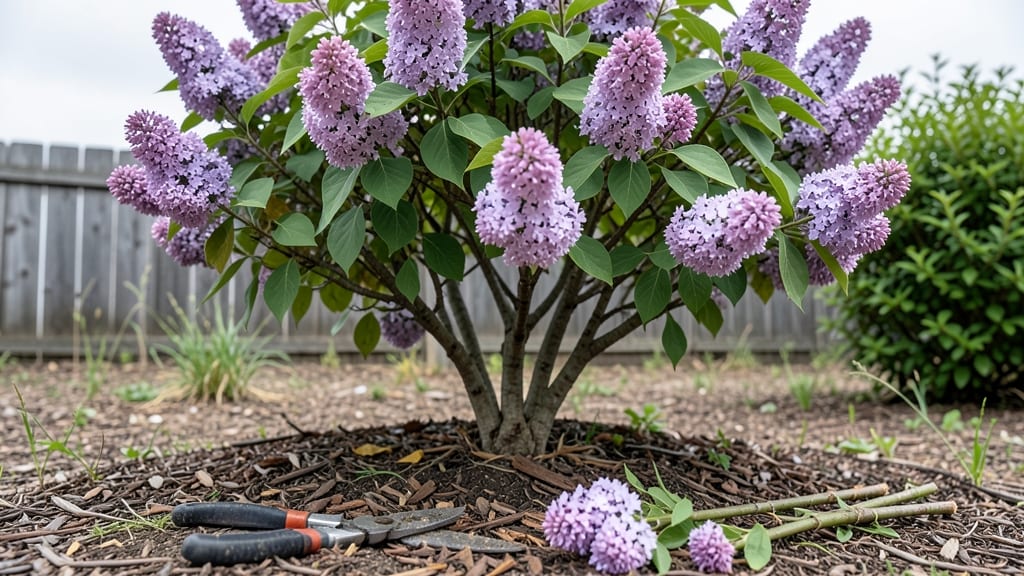
Lilac pruning after bloom requires cutting back faded flower clusters to just above the first set of healthy leaves or buds, typically between late spring and early summer, to encourage stronger growth and next year’s blooms. Avoid heavy pruning or cutting into old wood, as this reduces flowering potential.
Timing is everything with lilacs—delaying pruning past early summer risks stunting next year’s flowers, while cutting too early can remove buds already forming for spring blooms. 🌿 I’ve seen many gardeners accidentally prune into last year’s wood, which never produces new growth, so always look for the first healthy leaf set below the faded bloom.
This method not only keeps your shrub lush but also maintains that signature fragrance you love.
For best results, use clean, sharp pruners to make angled cuts just above the leaf node—this directs growth outward rather than inward. I keep a small notebook nearby to track my lilac’s growth year-to-year, as mature shrubs sometimes need lighter maintenance than younger ones.
The key is patience; lilacs reward careful pruning with decades of reliable blooms.
💡 In This Article
- Optimal Lilac Pruning Timeline and Techniques
- Common Lilac Pruning Mistakes and Fixes
Optimal lilac pruning timeline and techniques
The best time to prune lilacs is immediately after their spring blooms finish, typically between late May and early July in most U.S. growing zones (4-7). This timing aligns with the plant's natural growth cycle, when flower clusters have fully browned and seed pods have formed.
Here's what's actually happening: Lilacs produce flowers on current-year wood, meaning new growth from this season's buds will form next year's blooms. Pruning too late risks removing these developing buds, while pruning too early (before blooms fade) cuts off potential flower formation.
Identifying old vs new wood is crucial—old wood appears woody, gray, and lacks green growth, while new wood is green, flexible, and covered with leaf buds. Use your fingers to gently bend stems: old wood snaps easily, while new wood bends slightly.
For pruning, always cut just above the first set of healthy leaf buds (about ¼-inch above), using clean, sharp bypass pruners. This angled cut helps water run off and prevents disease. I recommend wearing thick gardening gloves—lilac branches often have thorns that can draw blood!
The science behind this involves plant hormones. When you remove spent blooms, you trigger a hormonal shift that redirects the plant's energy from seed production to new stem and leaf growth. This process is called apical dominance suppression, where cutting the top growth stimulates lateral buds to grow.
The key factor is timing: if you prune after mid-July, you risk encouraging tender new growth that won't harden off before winter, making the plant vulnerable to frost damage. 🌱
For step-by-step execution, start by removing any dead, diseased, or crossing branches first—these compete with healthy growth. Then work your way to the faded flower clusters, cutting back to the first healthy leaf bud.
Avoid the temptation to "neaten up" the shrub by cutting into old wood, as this produces no new flowers. Remember, lilacs are light pruners—they thrive with minimal intervention. Even mature shrubs typically need only 10-20% of their branches pruned annually to maintain health.
Seasonal considerations extend beyond timing. In colder climates (zones 3-4), wait until after the last frost before pruning, as early spring cuts can expose tender new growth to late frosts. Conversely, in warmer zones (8+), prune slightly earlier to avoid summer heat stress.
The ideal air temperature for pruning is between 55-75°F, when the plant is actively growing but not under stress. This balance ensures optimal healing and regrowth.
Here's a pro tip: mark your calendar for 6-8 weeks after pruning to check for new growth. Healthy lilacs will show 2-4 inches of new green shoots by late summer. If you see minimal regrowth, you may have pruned too aggressively or into old wood.
The goal is to maintain the shrub's natural shape while encouraging outward growth—this creates that classic rounded lilac silhouette everyone admires.