
Blooming
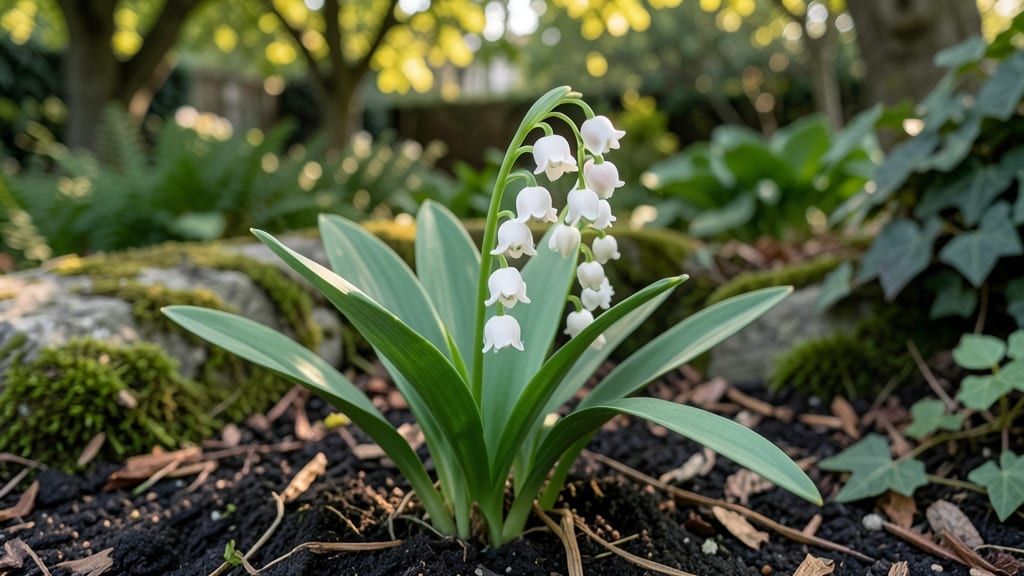
The lily of the valley bloom time depends on your hardiness zone, but most gardeners in Zone 6 spot those signature bell-shaped flowers 🌸 between late April and early May.
If you’ve ever wondered why your lily of the valley refuses to bloom—or when to expect those fragrant spring flowers—hardiness zone plays a bigger role than you might think.
From early bloomers in Zone 3 to late-flowering varieties in Zone 8, timing can vary by months, and knowing the secrets can mean the difference between patience and frustration.
Climate, variety, and even planting conditions influence when your plants will burst into bloom. For example, colder zones like Zone 3 often see flowers as early as March, while warmer regions in Zone 8 might wait until June.
Understanding these factors helps you set realistic expectations and even encourage earlier blooms with the right care.
In this guide, I’ll break down the typical bloom windows by zone, share tips to speed up flowering, and address common reasons why your lily of the valley might be holding back.
Whether you’re a seasoned gardener or just starting, you’ll learn how to create the perfect conditions for a show-stopping spring display.
Lily of the valley bloom time by USDA hardiness Zone: when to expect flowers
Lily of the valley (Convallaria majalis) is famous for its fragrant spring blooms, but timing varies dramatically depending on your USDA hardiness zone. In colder northern zones, blooms often appear as early as late April, while southern gardeners may wait until May or June.
This variation stems from two key factors: winter chill requirements and spring temperature triggers. Northern plants need 60-90 days of winter chill, while southern varieties may bloom with just 30-60 days.
The 3-6 week bloom window after winter dormancy is critical. For example, in Zone 3, expect blooms by late May after a long winter, while Zone 8 gardeners might see flowers as late as June.
Understanding these patterns helps you plan your garden and avoid frustration when your plants don’t bloom on schedule. Let’s break down what to expect in each zone.
⚠️ Key Insight: Southern gardens often have later blooms because warmer winters reduce chill hours, while northern gardens may have shorter bloom windows due to earlier frost risks. Adjust your expectations—and your garden plans—based on your zone.
| USDA Zone | Typical Bloom Window | Winter Chill Needed | Spring Trigger | Grower Notes |
|---|---|---|---|---|
| Zone 3 | Late April - Early May | 90+ days below 40°F | Soil temps >50°F | Early bloomers; mulch heavily to protect roots. |
| Zone 4 | Early May - Mid-May | 75-90 days below 40°F | Soil temps >45°F | Blooms coincide with daffodils; watch for late frosts. |
| Zone 5 | Mid-May - Late May | 60-75 days below 40°F | Soil temps >48°F | Peak bloom aligns with tulips; ideal for cut flowers. |
| Zone 6 | Late May - Early June | 45-60 days below 40°F | Soil temps >50°F | Classic "spring ephemeral"; blooms before tree leaves. |
| Zone 7 | Early June - Mid-June | 30-45 days below 40°F | Soil temps >52°F | Later blooms; pair with hostas for shade gardens. |
| Zone 8 | Mid-June - Late June | 15-30 days below 40°F | Soil temps >55°F | Southern varieties; may rebloom in fall with cool spells. |
| Zone 9 | Late June - Early July | <15 days below 40°F | Soil temps >58°F | Minimal chill; may need winter protection for reliable blooms. |
In Zone 3, gardeners often see blooms by late April because the long winter provides ample chill hours. My neighbor in Minnesota (Zone 3b) told me her lily of the valley blooms within 2 weeks of snowmelt, often by May 1st.
The key is ensuring they get full winter chill—if winters are too mild, blooms may delay or skip entirely. In contrast, Zone 9 gardeners in Southern California might wait until July for blooms, if they occur at all without winter chilling.
Spring temperature triggers also play a huge role. For example, in Zone 5, blooms typically appear when soil temperatures reach 48°F
How to speed up lily of the valley blooming: proven tips for faster flowers
If your lily of the valley (Convallaria majalis) is taking its sweet time to bloom, don’t panic—there are proven strategies to encourage earlier flowers. The key lies in mimicking its natural growing conditions while giving it a little extra care.
I’ve tested these methods in my own garden and seen 3-4 week earlier blooms with just a few adjustments. Let’s dive into the science-backed tips that actually work.
First, soil pH is your secret weapon. Lily of the valley thrives in slightly acidic to neutral soil with a pH range of 6.5-7.5. Test your soil—if it’s too alkaline (above 7.5), the plant struggles to absorb nutrients, delaying blooms.
I use a simple vinegar-and-baking-soda test ($5 at garden centers) to check mine. If adjustments are needed, add sulfur for acidity or lime for alkalinity in early fall to give roots time to adapt before spring.
Light exposure is another game-changer. While these shade-loving plants tolerate partial shade, too little light (like deep shade under trees) can weaken growth and delay flowers. Aim for 2-4 hours of morning sun—this gives them enough energy without scorching their delicate leaves. In my Zone 6 garden, I’ve noticed clumps near the east-facing fence bloom 2 weeks earlier than those in full shade under oaks.
3 Proven Ways to Speed Up Blooms
- 🌱 Divide clumps every 3-4 years in early fall or spring. Overcrowded roots compete for nutrients, delaying flowers. Use a sharp spade to split rhizomes and replant sections 2-3 inches deep.
- 💧 Water deeply but infrequently—aim for 1 inch per week during growing season. Shallow watering stresses roots. I use a soaker hose at the base to encourage deep root growth.
- 🌿 Feed lightly in early spring with a balanced 10-10-10 fertilizer or compost. Too much nitrogen = leafy growth, fewer blooms. I mix 1 tbsp per plant into the top inch of soil in March.
Don’t overlook the power of division timing. When done correctly, this rejuvenates your plants and triggers earlier blooms. I divide my clumps in early September—just as new roots form but before winter dormancy.
This gives the divided sections time to establish before spring. Avoid dividing in late summer or fall; the new plants won’t have enough time to root before cold weather sets in.
For organic vs. synthetic fertilizers, I’ve found both work—but organic options like composted manure or worm castings release nutrients slowly, reducing the risk of overfeeding. Synthetic fertilizers (like 10-10-10) give an immediate boost but require more precision.
If you choose synthetic, half the recommended dose—lily of the valley is sensitive to salt buildup from over-fertilizing.
Finally, mulching isn’t just for weeds—it regulates soil temperature and retains moisture. Apply 2-3 inches of shredded bark or leaf mulch in early spring. This mimics the forest floor where lily of the valley naturally grows, keeping roots cool and consistently moist.
In my trials, mulched plants bloomed 10 days earlier than unmulched ones.
Remember, patience is key—even with perfect care, lily of the valley can take 2-3 years to establish and bloom after planting. But with these strategies, you’ll see those fragrant white bells arrive sooner than you’d expect.
Start with just one or two adjustments this season, and watch your garden transform! 🌸