
Blooming
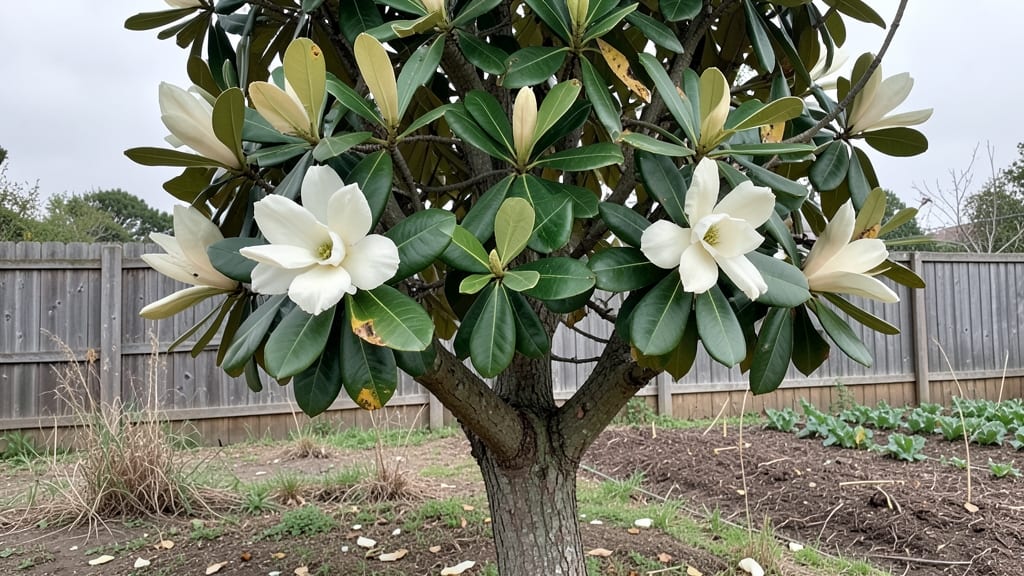
Magnolia blooms typically between late winter and early summer, with exact timing varying by species—southern magnolias bloom in March, while northern varieties often wait until May or June. Climate, sunlight, and soil health further influence bloom windows.
Understanding these bloom patterns helps gardeners plan their landscapes for seasonal color.
For example, the Southern magnolia (Magnolia grandiflora) thrives in warmer climates and often blooms in late spring to early summer, while the star magnolia (Magnolia stellata) prefers cooler regions and may flower as early as February or March.
These differences aren't just about timing—they reflect how each species adapts to its environment, with some needing cold dormancy periods to trigger flowering. 🌸
What many don’t realize is that even within a species, individual trees can vary by 1-2 weeks based on local microclimates. A tree in a sheltered, sunny spot might bloom earlier than one exposed to harsh winds.
That’s why I always recommend observing nearby mature trees in your area—they’re the best teachers for predicting your own magnolia’s schedule.
💡 In This Article
- Factors Affecting Magnolia Bloom Seasons
- Best Magnolia Varieties for Year-Round Color
Factors affecting Magnolia bloom seasons
Magnolia bloom timing is primarily controlled by a combination of USDA hardiness zones, winter chill hours, and sunlight exposure. Most magnolias require between 200-1,000 hours of temperatures below 45°F to break dormancy and trigger flowering.
For example, Magnolia stellata (star magnolia) thrives in zones 4-8 and often blooms earlier because it needs fewer chill hours (300-500 hours) compared to Magnolia grandiflora, which requires 800+ hours and prefers zones 6-10. This chill requirement explains why southern magnolias bloom later in the season.
The science behind this involves a hormone called florigen, which signals the tree to produce flowers. Cold temperatures convert stored starches into sugars, fueling bud development. Sunlight exposure also plays a critical role—magnolias need 6-8 hours of direct sunlight daily to maximize photosynthesis and energy production.
A tree in partial shade might delay blooming by 2-3 weeks compared to one in full sun. Additionally, soil pH between 5.0-6.5 (slightly acidic) ensures optimal nutrient uptake, particularly for iron and magnesium, which are essential for bud formation.
Here's what this means for gardeners: If you're in zone 5 or colder, prioritize varieties like Magnolia stellata or Magnolia 'Black Tulip', which bloom earlier and tolerate shorter chill periods.
In warmer zones (7-10), Magnolia grandiflora or Magnolia virginiana (sweetbay) will thrive but may require winter protection if temperatures drop below 15°F. Soil preparation is equally critical—amending clay soils with compost can improve drainage, while mulching retains moisture and regulates root zone temperatures.
One nuance to watch is how microclimates affect bloom timing. A tree planted near a heat-retaining wall or in a south-facing location may bloom 10-14 days earlier than one in an exposed area. Similarly, urban heat islands can advance blooming by 1-2 weeks compared to rural settings.
This is why local observations matter—what blooms in March in Georgia might not appear until April in Virginia, even within the same species.
For those in transitional zones (6-7), consider Magnolia 'Jane' or Magnolia 'Elizabeth', which offer a balance of early blooming and cold hardiness. These hybrids often flower in late March to April and can handle brief dips to 0°F.
The key is matching the variety's chill requirements to your local climate data—resources like the USDA Plant Hardiness Map can help narrow down the best choices for your region.
What most people overlook is how soil moisture during dormancy impacts bloom quality. Consistent moisture (but not waterlogging) during winter ensures healthy root growth, which directly correlates with stronger flower production.
In drought-prone areas, deep watering every 2-3 weeks during winter can make the difference between sparse and abundant blooms the following season.
Ultimately, the interplay of chill hours, sunlight, and soil health creates the perfect conditions for magnolias to burst into bloom. Paying attention to these factors lets you predict—and even influence—when your tree will put on its spectacular floral show. 🌿