
Blooming
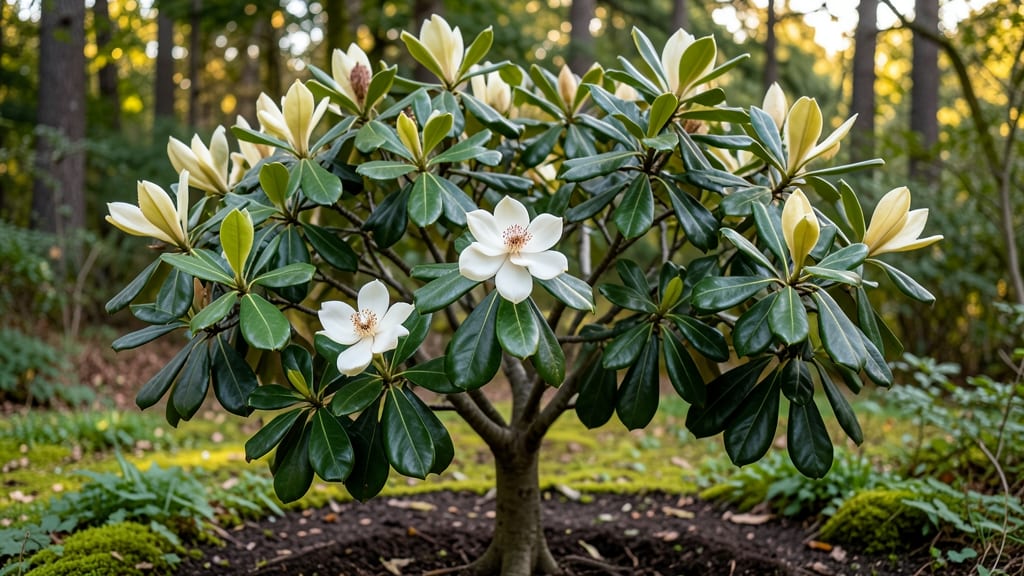
The sweetbay magnolia bloom time arrives in late spring to early summer 🌸, when their creamy-white flowers perfume the air with a sweet, citrusy fragrance that turns any garden into a tranquil retreat.
But if you’ve ever waited patiently for those blooms to appear—only to be met with silence from your tree—you’re not alone. The timing can shift dramatically based on your climate zone, soil conditions, and even how you prune.
In this guide, I’ll break down the exact bloom windows for USDA Zones 6a through 10, plus the subtle cues (like leaf color or bud size) that reveal when your tree is ready to burst into flower.
You’ll also discover three pruning tricks to encourage earlier blooms, troubleshoot why your magnolia might be late, and even adjust for regional quirks like humidity or late frosts.
When Sweetbay Magnolias bloom: seasonal patterns by Southern climate zones
The Sweetbay Magnolia (Magnolia virginiana) is a Southern garden star, but its bloom time shifts dramatically depending on your USDA climate zone. In Zone 7, expect creamy-white blooms as early as late March, while Zone 10 gardens may not see flowers until June.
Humidity, temperature spikes, and even first frost dates play critical roles in when (and how long) these fragrant blooms appear.
Southern gardeners know that spring blooms are most common, but summer-flowering varieties exist in warmer zones. The key? Understanding how heat tolerance and moisture levels interact with your local last frost date.
For example, a Zone 8 tree might bloom in April, while the same cultivar in Zone 9 could wait until May—delayed by lingering cool spells.
Comparison Table: Sweetbay Magnolia Bloom Times by USDA Zone
| USDA Zone | Primary Bloom Window | Secondary Bloom (if any) | Key Climate Influences | Average Bloom Duration |
|---|---|---|---|---|
| Zone 7 | Late March–April | None (spring-only) | Cool springs delay blooms; first frost risk after April 15 | 3–4 weeks |
| Zone 8 | April–early May | Occasional summer rebloom (June) | Humidity spikes can prolong blooms; heat waves may stress flowers | 4–5 weeks |
| Zone 9 | May–June | Summer blooms (July–August) | Warmer winters delay dormancy; consistent moisture extends season | 5–6 weeks |
| Zone 10 | June–July | Year-round potential in coastal areas | High humidity encourages continuous blooms; minimal frost risk | 6–8 weeks |
In Zone 7, where first frosts can linger until mid-October, Sweetbay Magnolias prioritize blooming early to avoid winter stress. The trade-off? Shorter bloom windows—typically 3–4 weeks—before buds set for dormancy.
Meanwhile, Zone 10 gardens enjoy longer, more frequent blooms thanks to warmer winters and higher humidity, which mimics their native coastal habitats.
Temperature thresholds matter most: Sweetbay Magnolias need consistent daytime highs above 60°F (15°C) to trigger bud opening. In Zone 8, a late frost (like the one that hit Atlanta in March 2021) can push blooms back by 2–3 weeks. Conversely, Zone 9 gardeners often see summer reblooms if the tree remains well-watered during heatwaves.
Don’t overlook humidity’s role—Sweetbay Magnolias thrive in 60%+ humidity, which is common in Zone 10 but rare in Zone 7 during spring. Low humidity can cause buds to abort prematurely.
To combat this, mulch heavily in drier zones (like Zone 8) to retain moisture and extend bloom duration by 1–2 weeks.
First-year trees in any zone may bloom sparingly or not at all, as they focus on root establishment. Patience pays off—3–5-year-old Sweetbay Magnolias in Zone 9 can produce 50+ blooms per season under ideal conditions. For container-grown trees, expect delays: root-bound stress often pushes blooms back by 3–4 weeks compared to in-ground plants.
Pro tip: Track your local phenology (the study of seasonal changes in plants). Apps like iNaturalist or Gardeners’ Almanac can help you predict bloom windows based on historical data for your specific county.
For example, Savannah, GA (Zone 8b) typically sees Sweetbay blooms 10 days earlier than Atlanta, GA (Zone 7b), due to coastal microclimates.
If you’re in Zone 10 and notice no summer blooms, check for overwatering—Sweetbay Magnolias hate soggy roots. In contrast, Zone 7 gardeners should avoid late-season pruning, as new growth won’t harden off before frost.
The goal? Balance moisture, light, and timing to coax your tree into its full flowering potential.
🌸
How to predict and extend Sweetbay Magnolia bloom time with pruning
Timing your Sweetbay Magnolia pruning can shift bloom windows by weeks or even months. Unlike spring-flowering magnolias, this evergreen blooms in late spring to early summer, but strategic cuts can coax earlier flowers or prolong the display.
The key lies in understanding when buds form—typically after the previous year’s growth—and how pruning impacts their development.
Most gardeners miss the ideal pruning window because they focus on removing dead wood instead of encouraging flower buds. Sweetbay magnolias produce blooms on current season’s growth, meaning aggressive pruning too late can delay—or even cancel—next year’s flowers.
Think of pruning as a conversation with your tree: ask for more blooms now, but don’t sacrifice future displays.
🌿 Step-by-Step Pruning Guide for Extended Blooms
- Step 1: Prune immediately after blooming (May-June) to remove 1/3 of old wood—this stimulates new growth where next year’s buds will form.
- Step 2: Use clean, sharp bypass pruners to make cuts at a 45-degree angle, 1/4" above a bud or branch collar.
- Step 3: Target overcrowded branches or those rubbing together—this improves airflow and reduces disease risk, which can delay blooming.
- Step 4: Avoid heavy pruning in fall or winter—this stresses the tree when buds are already forming for next spring.
- Step 5: Apply mulch (3-4 inches) after pruning to retain moisture and encourage root growth, which supports flower production.
If your Sweetbay Magnolia blooms late or sparsely, it might need a reset pruning in early spring (February-March) to remove overly dense growth. This forces the tree to redirect energy into producing stronger, more abundant blooms.
Just remember: never prune more than 25% of the canopy in one season, or you risk shocking the tree into dormancy.
Common pruning mistakes that delay blooms include cutting into old wood (which won’t produce flowers) or pruning at the wrong time. For example, trimming in July or August can remove next year’s flower buds before they form.
Always prune when the tree is actively growing but after blooming to avoid interfering with current season flowers.
To revive a struggling Sweetbay Magnolia, combine pruning with fertilization (balanced 10-10-10 in early spring) and deep watering (2-3 gallons per week during drought). A healthy tree with proper pruning can bloom 2-3 weeks earlier than unpruned specimens, extending your fragrant display into early summer.
Pro tip: Mark pruning dates on your garden calendar—consistency is key. With the right timing, your Sweetbay Magnolia will reward you with longer bloom seasons and a showstopping fragrance that fills your garden for weeks. 🌸