
Blooming
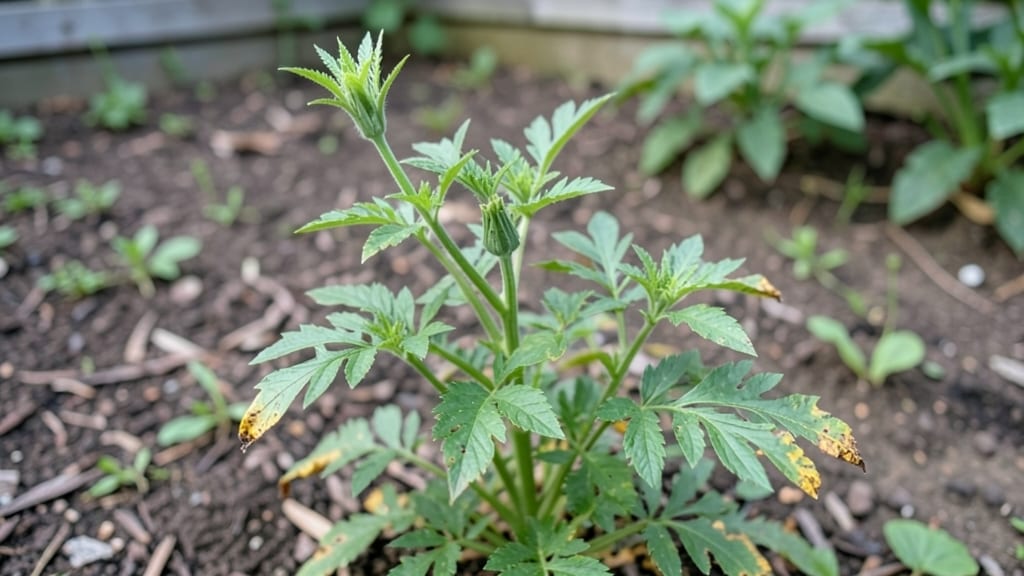
Even your marigolds not blooming might just need a tweak—like sunlight or feeding habits—since I’ve turned floppy green bushes into fiery orange gold with one small change. 🌻 The good news? Marigolds are tough, and with the right tweaks, they’ll reward you with vibrant blooms all season.
Most gardeners overlook the basics: marigolds need 6-8 hours of full sun daily, consistent watering (not soggy soil), and the right fertilizer. Too much nitrogen makes them grow leaves instead of flowers, while pests like aphids sap energy before blooms even form.
The fix starts with checking these three things first.
Within 2-3 weeks of proper care, you’ll see buds forming. Start by moving plants to sunnier spots, cutting back on high-nitrogen feeds, and inspecting leaves for pests. If the soil feels compacted, a light aeration can help roots access nutrients. It’s that straightforward.
For stubborn cases, consider transplanting to richer soil or pruning leggy growth to encourage bushier, bloom-heavy plants. The key is patience—marigolds often bloom later in the season, but with these fixes, they’ll catch up. Let’s get those flowers popping!
Why it happens
Marigolds are sun-loving, cheerful plants that should burst into vibrant color—but when they refuse to bloom, it’s often a sign that something fundamental is off. The good news?
Most issues are fixable with a little detective work. Let’s break down the top scientific reasons your marigolds are playing hard-to-please this season.
🌱 Insufficient Sunlight: The Energy Crisis
Marigolds are heliophiles—they thrive on sunlight, ideally 6 to 8+ hours of direct sun daily. When deprived, they prioritize leafy growth over blooms because photosynthesis (their energy source) slows down. Think of it like a starving athlete: they’ll build muscle (leaves) before competing (blooming).
- Signs: Tall, leggy stems with sparse blooms or no flowers at all.
- Fix: Move pots to sunnier spots or prune nearby shade-casters (like tall trees or structures). If gardening in partial shade, choose dwarf varieties like ‘Bonanza’ or ‘Tangerine’, which tolerate 4–6 hours of sun.
💧 Watering Woes: Too Much or Too Little
Marigolds hate soggy feet and drought stress. Overwatering suffocates roots by cutting off oxygen, while underwatering triggers drought responses—both of which halt flowering as the plant conserves energy. The sweet spot? 1–1.5 inches of water per week, letting the top inch of soil dry between waterings.
| Problem | Clues | Solution |
|---|---|---|
| Overwatering | Yellowing leaves, mushy stems, wilting despite wet soil. | Improve drainage: Add perlite to soil or repot in well-draining mix. Water only when the topsoil is dry. |
| Underwatering | Crispy leaf edges, drooping (but soil is dry). | Deep water 1–2 times weekly, especially in heatwaves. Mulch to retain moisture. |
❄️ Temperature & Stress: When Conditions Go Rogue
Marigolds are warm-season lovers (ideal temps: 70–85°F). Below 50°F, growth stalls, and blooms vanish. Even heatwaves above 95°F can stress them, causing buds to drop. Other stressors? Windburn (dries out buds) or pests (aphids/slugs sap energy).
- Signs: Buds forming but dropping before opening, stunted growth, or leaves curling.
- Fix:
- Extend the season: Start seeds indoors 4–6 weeks before last frost or use row covers for early/late planting.
- Beat the heat: Provide afternoon shade in extreme climates or mulch to cool roots.
- Pest-proof: Handpick slugs or spray neem oil for aphids.
🌿 Nutrient Imbalance: Too Much or Missing Key Ingredients
Marigolds need balanced nutrients, but too much nitrogen (common in lawn clippings/compost) = lush leaves, zero blooms. They also crave phosphorus (P) for flower production and potassium (K) for stress resistance. A soil test reveals deficiencies, but quick fixes:
- Fix:
- Feed at planting: Mix in 5-10-10 fertilizer (low N, high P/K).
- Mid-season boost: Use a low-nitrogen, high-phosphorus fertilizer (like 3-12-6) when buds form.
- Organic option: Work in bone meal (for P) or kelp meal (for K).
🪴 Crowded Roots: The Space Race Problem
Marigolds need 12–18 inches of space to spread. When roots compete for nutrients/water, they prioritize survival over blooms. Overcrowding also invites fungal diseases (like powdery mildew), which further stress plants.
- Signs: Small, sparse blooms; yellowing lower leaves; plants leaning toward light.
- Fix:
- Thin seedlings: Keep only the strongest 2–3 plants per foot of row.
- Repot container plants: Divide roots if crowded, using fresh potting mix.
- Succession plant: Replace old plants with new ones every 2–3 weeks for continuous blooms.
How to solve it
If your marigolds are refusing to bloom, don’t panic—there’s still hope! 🌻 With the right adjustments, you can coax those vibrant flowers back into action. Below are targeted solutions for the most common causes, along with easy prevention tips to keep your garden flourishing.
###
🌱 1. Boost Light Exposure
Marigolds thrive in full sun (6–8 hours daily). If they’re shaded by trees, buildings, or taller plants, they’ll focus on leaf growth instead of blooming.
- 🔥 Move them: Relocate pots to a sunnier spot or trim nearby obstructions (like overgrown shrubs).
- 👨🍳 Prune strategically: Thin out crowded foliage to improve air circulation and sunlight penetration.
- 🌡️ Check your climate: In cooler regions, extend the season with row covers or grow them in containers near a sunny wall.
💡 Prevention tip: Plant marigolds in the sunniest part of your garden from the start—once established, they’re hard to move!
###
💧 2. Adjust Watering Habits
Too much or too little water stresses marigolds, stalling blooms. Aim for consistent moisture—not soggy soil.
- 🍳 Water deeply but infrequently: Soak the soil 1–2 inches down, then let it dry slightly before watering again. Avoid wetting leaves to prevent fungal issues.
- ⏰ Morning watering wins: Water early to reduce evaporation and fungal risks. Drip irrigation or soaker hoses work best.
- 🔪 Fix overwatered soil: If roots are mushy, pause watering and improve drainage by adding compost or perlite to the soil.
💡 Prevention tip: Use mulch (straw or wood chips) to retain moisture and regulate soil temperature.
###
🌿 3. Fertilize for Blooms, Not Leaves
Marigolds need nutrients, but too much nitrogen (common in lawn fertilizers) promotes lush foliage at the expense of flowers.
- 📊 Switch to bloom-boosting fertilizer: Use a balanced formula (10-10-10) or a bloom-specific one (like 5-10-10). Apply every 4–6 weeks during the growing season.
- 🥗 Organic alternatives: Mix in compost or fish emulsion for a gentle nutrient boost. Avoid fresh manure—it can burn roots.
- ✨ Stop feeding late in the season: Fertilize until early fall to encourage blooms before frost.
💡 Prevention tip: Test your soil yearly—marigolds prefer slightly acidic to neutral pH (6.0–7.0). Adjust with lime or sulfur if needed.
###
✂️ 4. Prune for More Flowers
Deadheading (removing spent blooms) isn’t just for looks—it signals the plant to produce more flowers. Plus, pruning improves airflow and reduces pests.
- 🔪 Snip spent blooms: Cut back flower stems to the nearest set of leaves or healthy growth. Use clean, sharp scissors.
- 🌡️ Trim leggy growth: If stems are too long, prune them by 1/3 to encourage bushier, more compact plants.
- 🎯 Shape young plants: Pinch back tips when seedlings are 6 inches tall to promote branching and more blooms.
💡 Prevention tip: Prune regularly (every 1–2 weeks) to keep marigolds blooming all season.
###
🐞 5. Control Pests and Diseases
Pests like aphids, spider mites, and whiteflies sap energy, while diseases (like powdery mildew) weaken plants. Healthy marigolds bloom better!
- 🔥 Inspect leaves daily: Look for holes, sticky residue (aphids), or white webbing (spider mites). Blast off pests with water or use neem oil.
- 🌡️ Improve airflow: Space plants 12–18 inches apart to reduce humidity and fungal risks. Avoid overhead watering.
- 💪 Strengthen plants: Healthy marigolds resist pests better. Rotate crops yearly to prevent soil-borne diseases.
💡 Prevention tip: Plant marigolds near susceptible plants (like tomatoes) to repel pests naturally!
With these fixes, your marigolds should burst into color in no time. 🎉 Start with one or two adjustments, monitor progress, and soon you’ll have a garden bursting with cheerful blooms!
Frequently asked questions
Why are my marigolds growing leaves but no flowers?
Too much nitrogen in your soil is likely the culprit! Marigolds prioritize leafy growth when they get excess nitrogen from fertilizers or compost. Switch to a low-nitrogen, high-phosphorus fertilizer (like 5-10-10) to encourage blooming. This shift signals the plant to focus energy on flowers instead of foliage.
How can I tell if my marigolds aren't getting enough sunlight?
Watch for tall, spindly stems and sparse blooms—these are classic signs of insufficient light. Marigolds need 6-8 hours of direct sun daily. If your plants are in partial shade, relocate them to a sunnier spot or choose dwarf varieties like ‘Bonanza’ that tolerate 4-6 hours of sun.
What should I do if my marigolds have crowded roots?
Crowded roots compete for nutrients, which stalls blooming and invites disease. Thin seedlings to 2-3 plants per foot or repot container plants into fresh soil. This gives roots room to access water and nutrients, prompting your marigolds to focus on vibrant blooms again.
Can I save marigolds that stop blooming due to pests?
Start by inspecting leaves for aphids, slugs, or whiteflies. Use neem oil or blast pests off with water. Healthy plants recover quickly and resume blooming once pests are under control. Pruning leggy growth also helps redirect energy toward flowers.
Is it too late to get blooms if my marigolds are already leggy?
Not at all! Prune leggy stems by 1/3 to encourage bushier growth, then focus on deadheading spent blooms. With proper sunlight, water, and a bloom-focused fertilizer, you’ll see new buds forming within 2-3 weeks. Patience pays off!