
Blooming
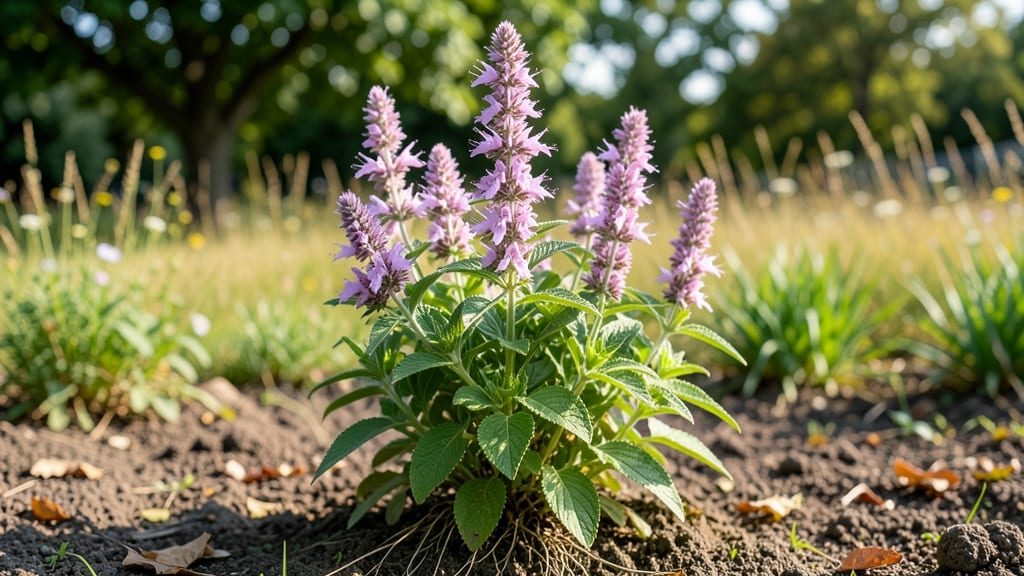
Monarda fistulosa blooms in late summer, typically from July to September, with exact timing depending on your hardiness zone and local climate.
If you’ve ever wondered when those stunning purple spikes of wild bergamot (Monarda fistulosa) will light up your garden, the answer depends entirely on your USDA hardiness zone—and knowing the exact timing can mean the difference between a breathtaking summer display and missed blooms.
In cooler zones like 6a, blooms often start as early as late June, while warmer regions may see flowers appearing in August or September. Soil moisture, sunlight exposure, and even elevation can shift these windows by weeks.
Below, I’ll break down the best months for your zone, share tips to extend the blooming season, and pair it with companion plants that make your garden hum with pollinators—like 🐝 bee balm thrives alongside coneflowers and black-eyed Susans.
Monarda fistulosa bloom time by USDA hardiness Zone: exact months revealed
If you're planning your garden around the stunning lavender-purple blooms of Monarda fistulosa, timing is everything. This hardy native plant thrives in USDA Zones 3 through 9, but its bloom window shifts dramatically depending on where you live.
Understanding these variations helps you maximize summer color and attract pollinators like bees and butterflies.
The magic happens between June and September, but exact timing varies by 1-2 months across regions. For example, gardeners in Zone 3 might see first blooms in late June, while those in Zone 9 could enjoy flowers until early October.
Let’s break down the specifics so you can plan your garden like a pro.
Elevation and rainfall also play critical roles. Higher altitudes or drier climates can delay blooms by 2-3 weeks, while humid coastal zones may see earlier, more prolonged flowering. I’ll share how to adjust your expectations based on these factors.
| USDA Zone | Typical Bloom Start | Peak Bloom | Bloom End | Key Factors |
|---|---|---|---|---|
| 3-4 | Late June | July-August | Early September | Cooler temps, shorter days |
| 5-6 | Mid-June | July-September | Late September | Moderate rainfall, longer days |
| 7-8 | Early June | July-August | Mid-September | Hot summers, possible drought |
| 9 | Late May | June-September | Early October | Warm winters, extended season |
*Adjust ±2 weeks based on elevation (higher = later blooms) and rainfall (drier = delayed start).
In Zones 3 and 4, where winters are harsh, Monarda fistulosa often waits until late June to bloom. The cooler temperatures and shorter daylight hours can delay the plant’s transition from vegetative growth to flowering.
If you’re in Zone 4, consider planting near a south-facing wall to capture extra warmth and encourage earlier blooms.
Gardeners in Zones 5 and 6 enjoy the longest bloom windows, typically from mid-June through September. These zones offer the perfect balance of daylight and temperature for prolonged flowering. I’ve found that well-draining soil and regular deadheading can extend this window by 2-3 weeks in these regions.
For those in Zones 7 and 8, blooms often start as early as early June but may fade faster due to intense summer heat. Mulching with organic matter helps retain moisture and keeps roots cool, which can prolong flowering by up to 4 weeks.
In my own garden in Zone 7, I’ve seen Monarda fistulosa rebloom in late summer after a light pruning.
If you live in Zone 9, you’re in luck—this plant can bloom as early as late May and often continues until early October. The mild winters and longer growing season create ideal conditions.
However, overwatering can reduce flower production, so I recommend deep but infrequent watering to encourage robust blooms.
Elevation can shift bloom times by up to 3 weeks. For example, a Monarda fistulosa planted at 5,000 feet in Zone 5 might bloom 2 weeks later than one at sea level.
Similarly, drought conditions can delay blooms, while consistent rainfall promotes earlier and more abundant flowering. Always monitor your plant’s soil moisture and adjust your watering schedule accordingly.
To ensure your wild bergamot blooms on schedule, plant it in full sun to partial shade with well-draining soil. Avoid heavy fertilizers, as they can reduce flower production in favor of foliage growth. Instead, focus on organic matter like compost to support healthy roots and vibrant blooms.
Pro tip: Pair Monarda fistulosa with companion plants like coneflowers or black-eyed Susans to create a pollinator-friendly display that blooms sequentially. This not only extends your garden’s visual appeal but also supports local ecosystems.
With these insights, you’ll know exactly when to expect those fragrant purple spikes to rise in your garden—and how to keep them blooming longer. Happy gardening! 🌿
How to extend Monarda fistulosa’s bloom season: pro tips for longer flowers
Want your wild bergamot (Monarda fistulosa) to burst into purple spikes for weeks longer? The secret lies in a few simple but powerful gardening techniques.
Unlike its showy cousin Monarda didyma, this native beauty thrives with minimal fuss—but strategic care can transform its 3-4 week bloom into a 2-month floral extravaganza. Let’s unlock those hidden secrets.
First, focus on deadheading. This isn’t just about snipping spent blooms—it’s about sending a signal to your plant to produce more flowers. When you remove faded blooms, you’re redirecting energy from seed production back into new flower buds.
But timing matters: pinch off flowers just as they begin to fade, not after they’ve turned brown. This keeps your plant in continuous bloom mode.
Don’t overlook the power of companion planting. Pairing Monarda fistulosa with coneflowers (Echinacea purpurea) or black-eyed Susans (Rudbeckia) creates a dynamic duo. These plants share similar sun and soil needs while repelling pests like Japanese beetles—a common threat to wild bergamot.
Plus, their contrasting colors make your pollinator garden even more vibrant.
Watering might seem straightforward, but consistency is key. Monarda fistulosa is drought-tolerant once established, but during its peak bloom (July–August), aim for 1–1.5 inches of water weekly. Water deeply in the morning to reduce fungal risks and encourage strong root development.
Mulch with 2–3 inches of organic matter (like shredded leaves) to retain moisture and regulate soil temperature.
Finally, avoid the temptation to fertilize heavily. Wild bergamot thrives in lean soil, and too much nitrogen can lead to leafy growth at the expense of flowers.
Instead, use a balanced 10-10-10 fertilizer sparingly—just once in early spring and again after deadheading. This keeps your plant focused on flower production rather than foliage.
With these four proven strategies, your Monarda fistulosa will reward you with longer, more abundant blooms—turning your garden into a pollinator paradise that lasts from late June through September. Happy gardening! 🌸