
Blooming
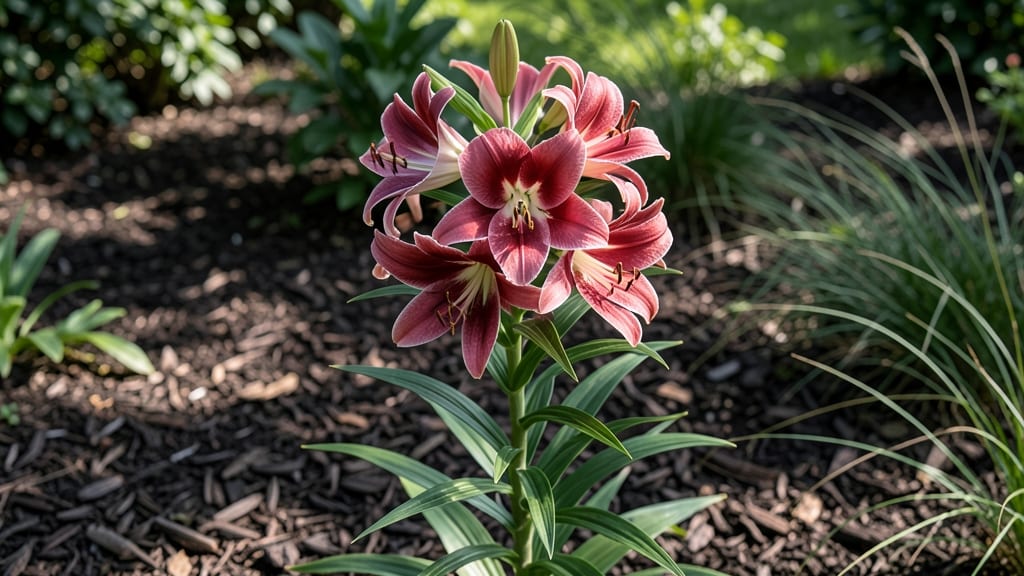
Oriental lilies bloom in late summer to early fall 🌸, but the exact timing depends on your variety and growing conditions—some burst into color as early as July, while others wait until September.
Picture this: your garden exploding with bold, fragrant blooms just as summer starts to fade, only to wonder why your favorite variety never returns the next year. The secret isn’t just luck—it’s knowing when to plant, how to feed them, and what mistakes to avoid.
In Zone 6 and beyond, most Oriental lilies follow a predictable pattern, but heatwaves, soil quality, and even last year’s pruning can shift that window. I’ll break down the exact months for popular varieties and share the simple tricks to coax them into reblooming year after year.
Ready to turn your garden into a fragrant showcase? You’ll learn how sunlight, water, and fertilizer work together to trigger those stunning blooms—and how to troubleshoot when they don’t cooperate.
Oriental lily bloom time by variety: exact months and seasonal expectations
Oriental lilies dominate summer gardens with their bold petals and intoxicating fragrance, but their bloom timing shifts dramatically by variety. Some burst into color in mid-July, while others wait until September.
Understanding these differences helps you plan your garden for maximum impact and extend the blooming season with proper care.
Most oriental lilies bloom in late summer because they require cooler temperatures to trigger flowering. However, early-season varieties like 'Casa Blanca' can start as early as June in warm climates, while late bloomers like 'Black Beauty' may linger until October.
The USDA hardiness zone also plays a critical role—gardeners in Zone 9 might see blooms 2-3 weeks earlier than those in Zone 5.
Key factors influencing bloom time include sunlight exposure, soil fertility, and watering consistency. Oriental lilies thrive in full sun (6+ hours daily) and well-draining soil with a pH between 6.0-7.0. If your garden lacks these conditions, blooms may arrive later or produce fewer flowers. Let’s dive into the exact bloom windows for popular varieties and how to adjust for your region.
| Variety | Bloom Time (USDA Zone 6) | Bloom Time (USDA Zone 9) | Key Notes |
|---|---|---|---|
| 'Stargazer' | Mid-August to early September | Early August to mid-September | Early bloomer; fragrant, pink-purple flowers |
| 'Casa Blanca' | Late July to early August | June to July | Earliest bloomer; pure white, scented flowers |
| 'Black Out' | Late August to September | August to early October | Darkest blooms; deep maroon-purple, minimal fragrance |
| 'Miracle' | Late August to October | September to November | Late-season; pink with yellow throat, reblooms easily |
| 'Siberia' | Early September to October | Late August to November | Cold-hardy; white with pink edges, fragrant |
The bloom time differences between varieties create a staggered garden display that keeps your landscape vibrant from June through October. For example, planting 'Casa Blanca' alongside 'Black Out' ensures continuous color as one variety fades and another takes over.
In cooler climates (Zones 5-6), blooms may shift 2-4 weeks later due to shorter growing seasons, while warmer zones (7-9) often enjoy longer bloom periods.
If you’re in Zone 5 or 6 and want to extend the bloom season, consider planting early and late varieties together. For instance, 'Casa Blanca' (late July) paired with 'Miracle' (late August) creates a two-month show.
In Zone 9, where summers are hotter and longer, lilies may bloom continuously if given consistent moisture and partial afternoon shade during peak heat.
Another critical factor is soil temperature. Oriental lilies won’t bloom until the soil reaches 60°F (15°C). In northern regions, this often aligns with late June or July, while southern gardens may see earlier blooms. To speed up blooming,
How to trigger oriental lily reblooming: proven techniques for year-round flowers
Oriental lilies typically bloom once in mid-to-late summer, but with the right care, you can coax them into reblooming later in the season. The key lies in understanding their growth cycle and adjusting care to match their needs.
Unlike Asiatic lilies, oriental varieties are more finicky about reblooming, but it's absolutely possible with patience and precision.
Reblooming requires a multi-step approach that includes strategic pruning, balanced fertilization, and smart watering. Many gardeners in hot climates (USDA zones 7-9) struggle because oriental lilies often go dormant early.
By following these techniques, you can extend their bloom time by 4-6 weeks or even trigger a second flush of flowers.
For gardeners in hot climates (zones 8-10), where oriental lilies often struggle to rebloom, focus on shade cloth during peak heat (10-4 PM) and consistent moisture. I’ve seen 'Stargazer' lilies rebloom in September with these adjustments—proof that it’s worth the effort!
Remember, reblooming takes patience and consistency. Start with one plant as a test subject to refine your approach. Over time, you’ll learn the exact conditions that work best for your local climate and variety. The reward? Year-round color in your garden with minimal extra work.
🌸