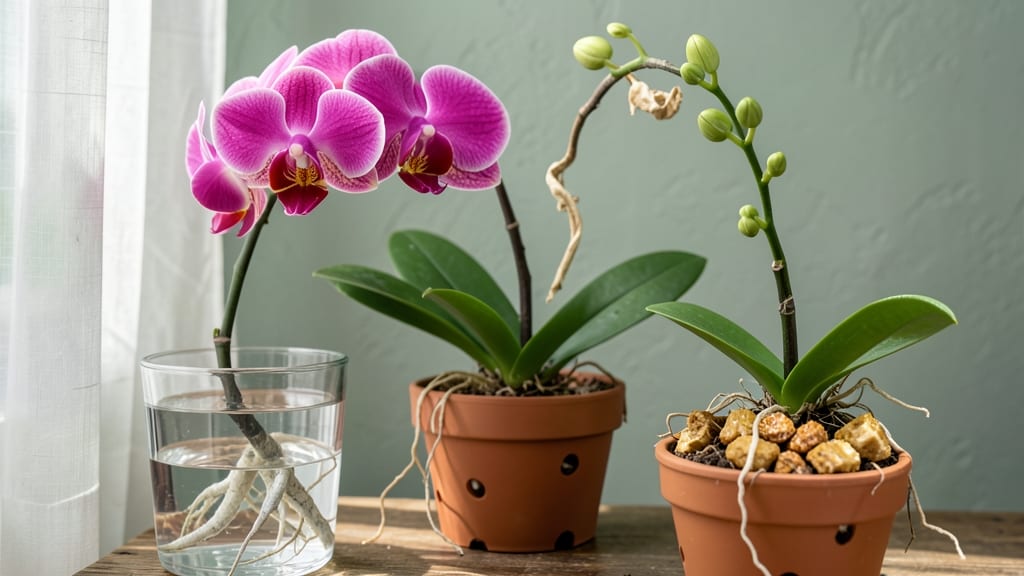
💥 Quick Answer When orchids die back naturally, they often rebloom after entering dormancy, especially if they're healthy varieties like Phalaenopsis or Cattleyas. The key is maintaining proper care during their resting…
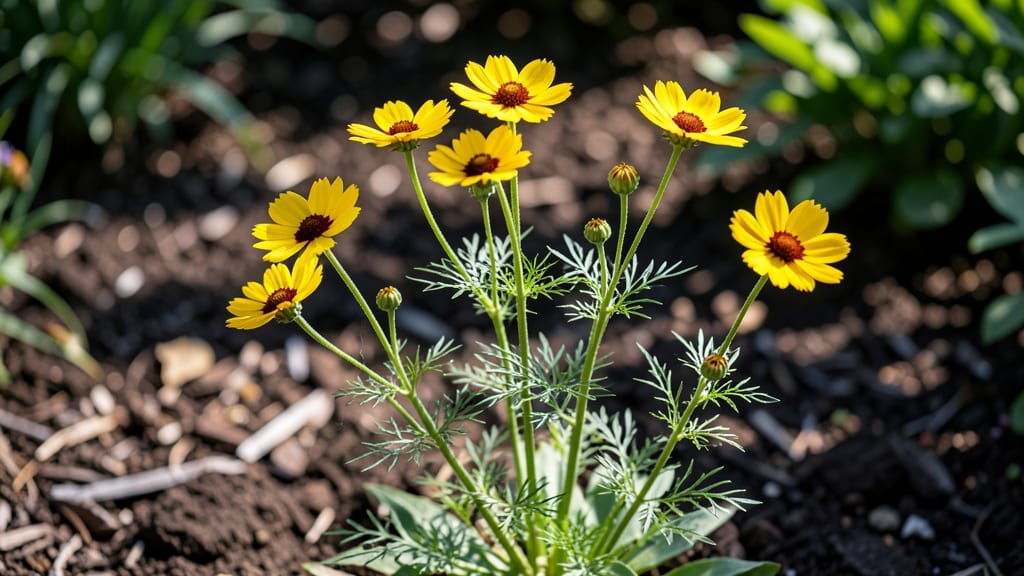
💥 Quick Answer Coreopsis does bloom all summer in most varieties when you maintain proper care, particularly by deadheading spent blooms consistently. Some types, like Coreopsis verticillata , may need strategic pruning…
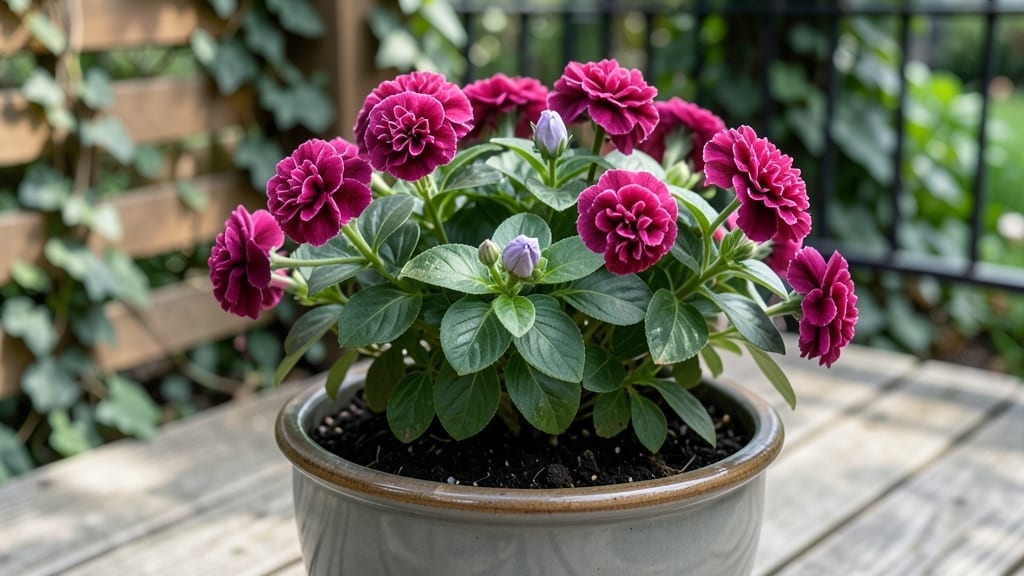
Double bloom impatiens transform shady spots into nonstop color factories. 🌿 I've grown them for years, and the secret to their year-round flowering isn't just shade tolerance—it's the right deadheading routine and a…
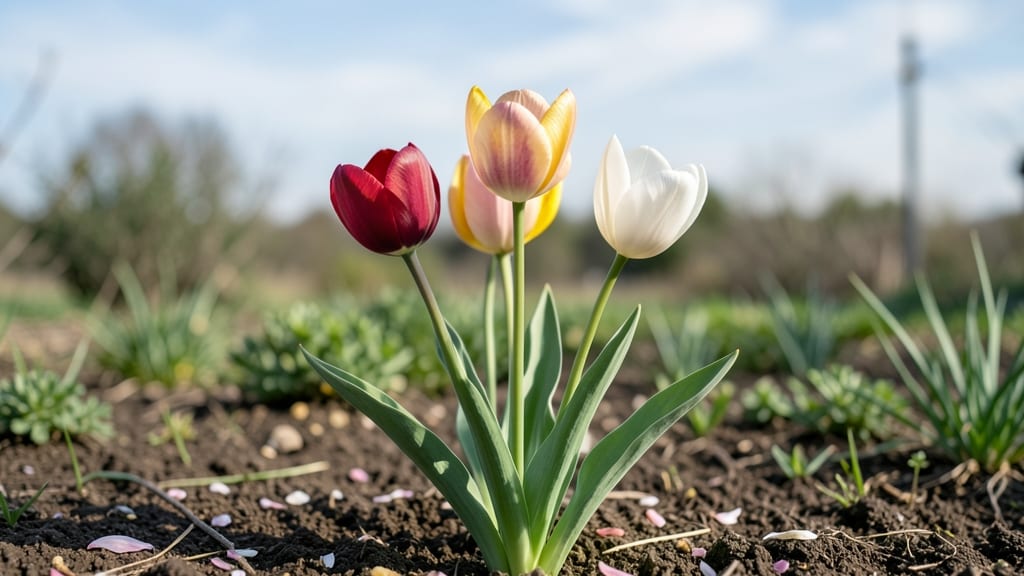
Tulips bloom in spring after 120 to 180 days of cold dormancy, but timing varies wildly depending on your zone and variety—get it wrong, and you might miss the show entirely. Wondering why your tulips refuse to bloom on…
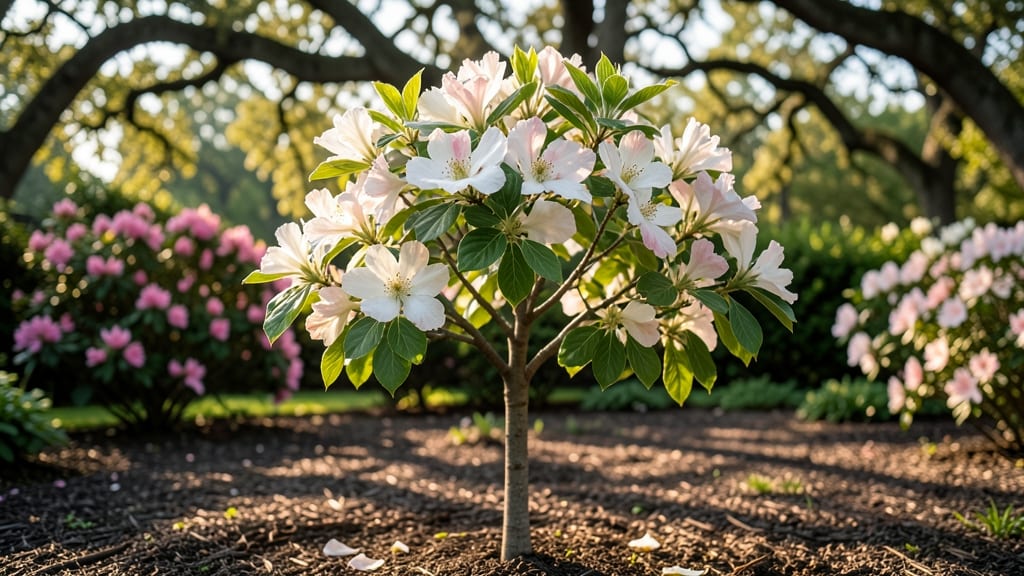
💥 Quick Answer A dogwood bloom looks like four elegant, petal-like bracts—often creamy white, soft pink, or vibrant red—that frame a tiny, dense cluster of true flowers at its center. These bracts have a delicate…
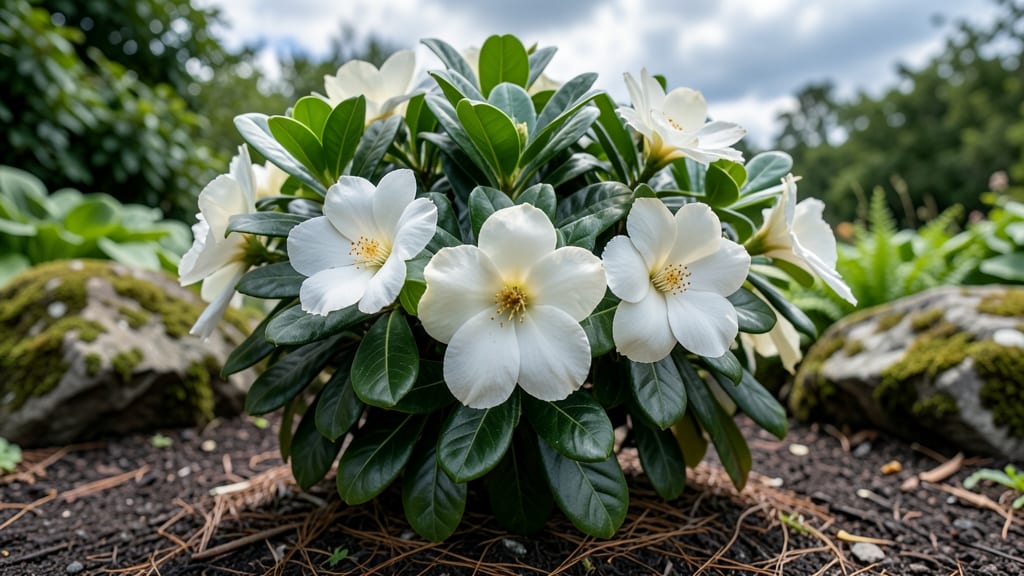
💥 Quick Answer Gardenias bloom in North Carolina primarily from late spring through summer, peaking between May and July in Zones 7b-8a, though exact timing shifts based on the specific variety and local growing…
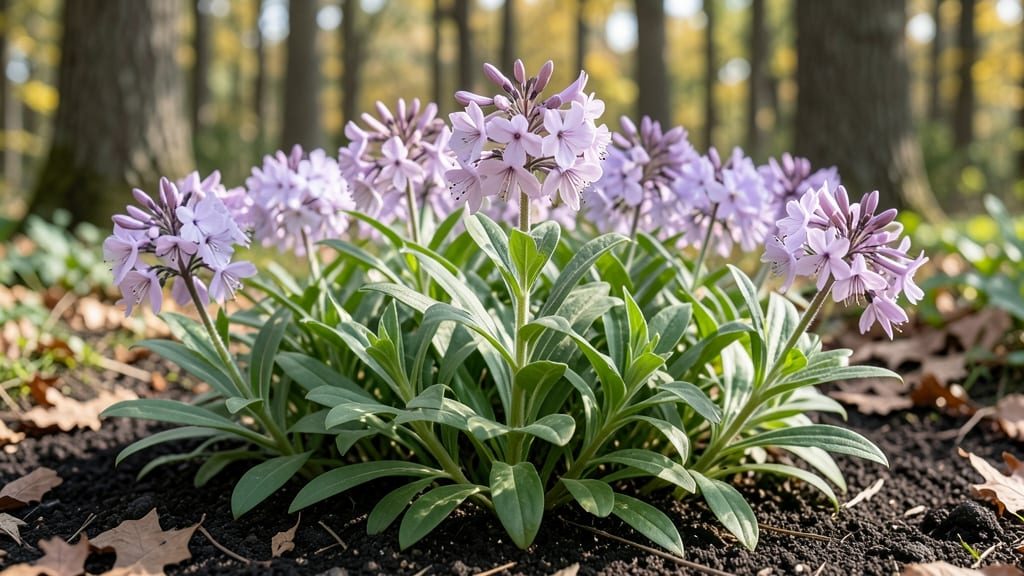
The woodland phlox bloom time you’ve been waiting for arrives in late spring , when your garden transforms into a sea of purple 🌸—but only if you plant it right. If you’ve ever watched your shade garden stay stubbornly…
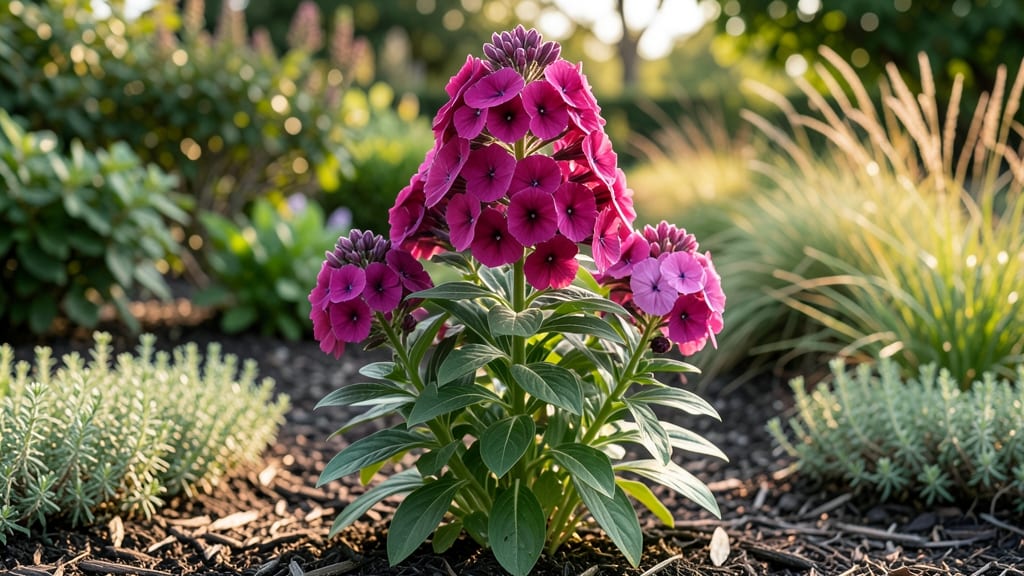
💥 Quick Answer Garden phlox do not bloom all summer continuously; most varieties produce flowers in mid-to-late summer (June–August), with some reblooming if deadheaded, though late-season blooms may fade by early fall…
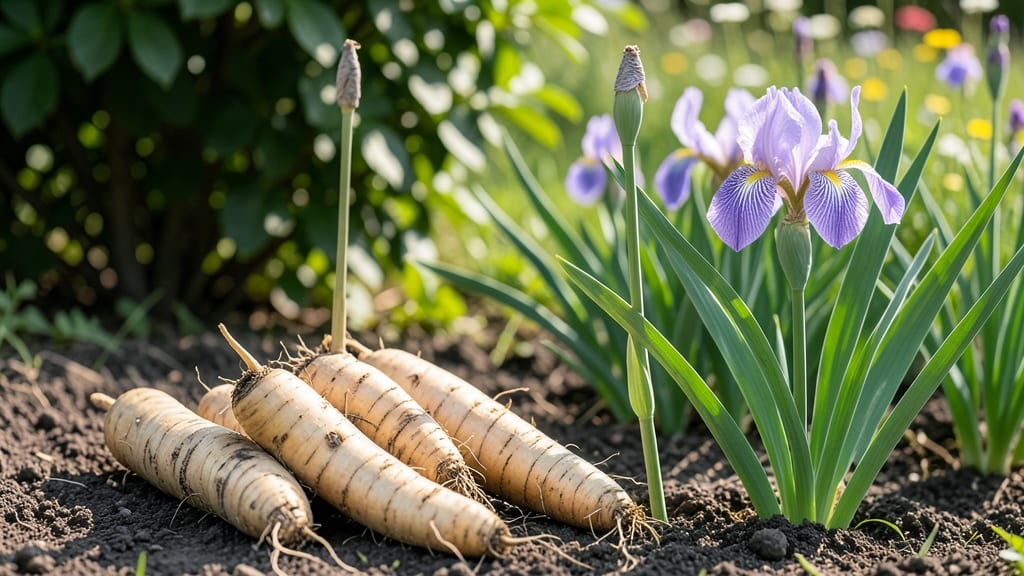
💥 Quick Answer Iris don't bloom every year—most varieties flower every 2–3 years, while some types produce blooms only once before entering a dormant phase. Regular maintenance, such as dividing clumps every 3–4 years…