
Blooming
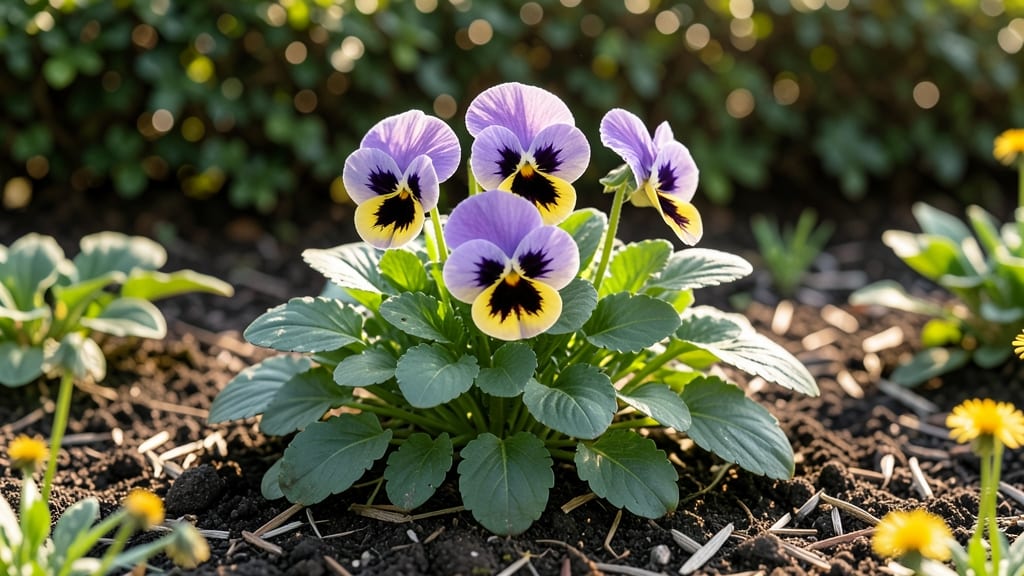
The pansy bloom time in early spring and late fall delivers vibrant colors that brighten gardens from March through October in most climates.
But here’s the catch: their cheerful faces often fade too soon. You’ve planted them with high hopes, only to watch them slow down by summer’s heat or wilt under early frost. The good news? With a few simple tricks, you can stretch their bloom time for months longer.
Whether you’re in USDA Zone 6a or beyond, understanding their natural rhythm—plus a handful of care tweaks—lets you enjoy those 🌸 faces year-round. From deadheading to choosing the right varieties, we’ll cover everything you need to know to keep your pansies flowering like clockwork.
Ready to turn a seasonal splash of color into a full-blown garden showstopper? Let’s dive into how.
Natural pansy bloom time: seasonal stages and climate considerations
Pansies (Viola × wittrockiana) are nature's perfect cool-season performers, thriving when most annuals fade. Their native bloom windows align with spring's awakening and fall's crisp air, typically March-April and September-November in most U.S. regions.
These two-season stars produce vibrant blooms that brighten gardens when temperatures hover between 40°F and 75°F—ideal conditions for their cold-hardy yet heat-sensitive nature.
Understanding your USDA hardiness zone is key to predicting pansy bloom times. In Zones 3-5, expect earlier spring blooms (as early as February) and longer fall displays lasting until first frost.
Gardeners in Zones 6-8 often enjoy extended fall blooming through December, while Zone 9-10 gardeners may see winter blooms if temperatures stay mild. These variations show how climate zones directly influence bloom windows.
🌱 Visual Guide to Pansy Bloom Stages by Season
| Season | Bloom Window | Ideal Temperature | Key Variety Traits |
|---|---|---|---|
| Early Spring | Feb-Apr (Zones 3-5) Mar-May (Zones 6-8) |
40°F-65°F | 'Cool Wave' (heat-tolerant), 'Majestic Giant' (large blooms) |
| Late Fall | Sep-Nov (Zones 3-7) Oct-Dec (Zones 8-10) |
45°F-70°F | 'Soraya' (disease-resistant), 'Matrix' (compact) |
| Winter (Mild Climates) | Dec-Feb (Zones 9-10) | 50°F-68°F | 'Ice King' (white), 'University' (classic types) |
| Summer (Heat-Tolerant) | Jun-Aug (Zones 6-8 with shade) | Below 80°F | 'Cool Wave Blue', 'Cool Wave Purple' |
The first bloom stage begins when pansies receive consistent cool temperatures after dormancy.
Look for bud formation 4-6 weeks after planting, with full blooms appearing 60-75 days later. Early bloomers like 'Cool Wave' series often flower 2-3 weeks sooner than traditional varieties, giving you a head start on spring color.
These varieties also handle mild heat better than classic pansies, making them ideal for extended displays.
Identifying late-blooming varieties is simpler than you think. Look for darker petal centers and larger flower faces—these traits often correlate with longer bloom windows. For example, 'Majestic Giant' pansies produce 3-inch blooms that stay vibrant 2-3 weeks longer than standard types.
Their thicker stems also support blooms better in windy conditions, a common issue in early spring gardens. Plant these near windbreaks or container edges to maximize their potential.
Your local microclimate plays a surprising role in pansy bloom timing. Urban gardens with heat islands may see delayed spring blooms by 1-2 weeks compared to rural areas.
To counteract this, choose shade-tolerant varieties like 'Matrix' series for hotter microclimates, or plant pansies in morning sun with afternoon shade. Coastal regions benefit from milder winters, allowing fall-planted pansies to bloom until December, while inland areas may see earlier frost cutting displays short.
One often-overlooked factor is soil temperature. Pansies won't thrive until soil reaches 50°F—test this with a soil thermometer before planting. Cold soil delays root establishment, pushing back bloom initiation by 3-4 weeks.
Amend your soil with compost to warm it faster in spring, or use black plastic mulch to raise temperatures 5-10°F above ambient. This simple trick can advance bloom time by 10-14 days in cool climates.
For extended fall color, focus on late-season varieties like 'Soraya', which resists powdery mildew—a common
5 Proven techniques to extend pansy bloom time naturally
Pansies are the cheerful faces of early spring and late fall gardens—but their bloom time can feel frustratingly short. With the right care, you can stretch their vibrant displays from early spring to hard frost, creating a nonstop show of color.
The key lies in understanding how to encourage continuous flowering without relying on chemicals or high-tech solutions. These 5 natural techniques are backed by gardening science and will transform your pansies into long-lasting stars of your garden.
Many gardeners assume pansies bloom briefly and fade, but with the right approach, you can extend their season by 30-50% or more. The secret is combining proper plant maintenance with strategic growing conditions.
Let's dive into the methods that work best, starting with the simplest yet most effective: deadheading. This single technique can make a dramatic difference in your pansy's longevity.
🌸 5 Proven Techniques to Extend Pansy Bloom Time
- ✂️ Deadheading
- 🌿 Strategic Pruning
- 🌱 Companion Planting
- 💧 Soil Enrichment
- 🌡️ Seasonal Mulching
Let's start with deadheading, the simplest way to encourage more blooms. When you remove spent flowers, you're telling the plant to redirect its energy toward producing new blooms instead of seed development. For pansies, this means pinching off faded blooms every 2-3 days during peak bloom season.
Use clean, sharp scissors or your fingers to avoid damaging the plant. This technique alone can extend your pansy's bloom time by 2-4 weeks.
Next, strategic pruning helps maintain your pansies' health and encourages bushier growth. Trim back leggy stems to just above a set of leaves, which stimulates branching and more flower production. Focus on removing stems that are over 6 inches tall or those growing away from the center of the plant.
This pruning should be done every 4-6 weeks during the growing season. Just be sure to use sterilized tools to prevent disease spread.
Companion planting is another powerful tool for extending bloom time. Pair pansies with low-growing herbs like thyme or chamomile, which help deter pests while improving soil health. Avoid planting near strong-scented herbs like mint, which can inhibit pansy growth. Another great companion is lettuce or spinach, as these shade-tolerant plants protect pansy roots from extreme temperature fluctuations, helping them thrive longer.
Don't underestimate the power of soil enrichment. Pansies thrive in well-draining, nutrient-rich soil with a pH between 5.5 and 6.5. Before planting, amend your soil with compost or well-rotted manure to provide essential nutrients.
During the growing season, apply a balanced fertilizer (5-10-10) every 4-6 weeks to maintain vigorous growth. For organic options, use fish emulsion or seaweed extract for a gentle nutrient boost.
Finally, seasonal mulching plays a crucial role in extending bloom time. In spring and fall, apply a 2-inch layer of organic mulch like straw or shredded leaves around your pansies. This helps retain moisture, regulate soil temperature, and suppress weeds.
For winter protection in colder climates, add an extra layer of mulch after the first frost to insulate the roots. Just be sure to keep mulch 2-3 inches away from the plant stems to prevent rot.