
Blooming
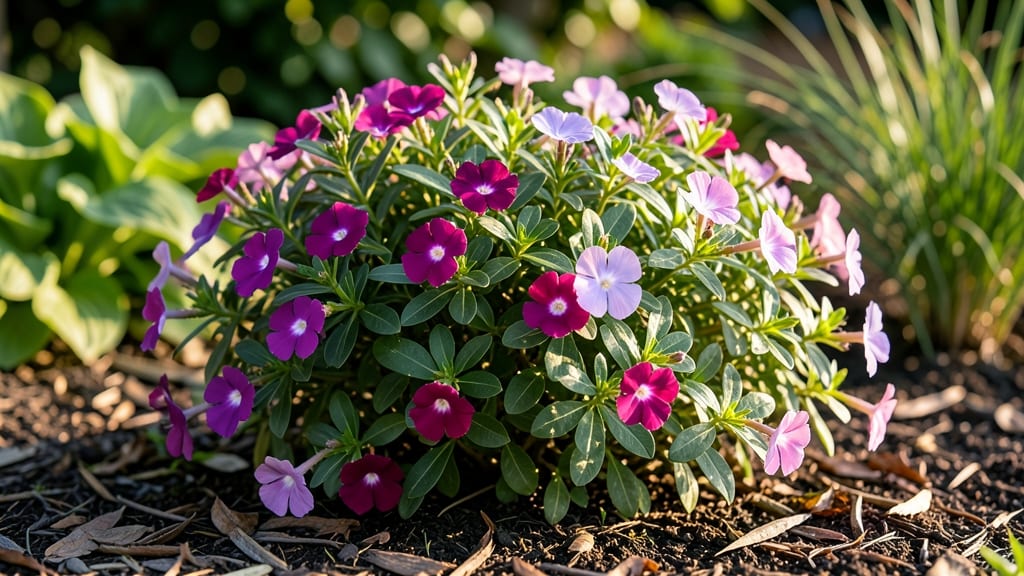
The periwinkle bloom time shifts dramatically depending on where you live — in Zone 6a, those signature purple spikes typically arrive in late spring, while warmer regions see them as early as February.
Picture this: your garden carpeted in 🌸 periwinkle blooms for months, only to fade into obscurity if you miss the timing. Unlike annuals, periwinkle’s flowering isn’t set in stone—climate, sunlight, and even last year’s pruning can push those blooms earlier or delay them until summer.
Below, I’ll break down the exact months for your zone, how to nudge blooms forward or backward, and which cultivars keep flowering nonstop. No more guessing when those purple spikes will appear—just science-backed timing for a garden that stays vibrant all season.
Ready to unlock your periwinkle’s full potential? Let’s dive into the secrets of when (and how) it blooms.
Periwinkle bloom time by USDA hardiness Zone: exact months for purple spikes
Periwinkle (Vinca minor and Vinca major) thrives in diverse climates, but its bloom timing shifts dramatically across USDA hardiness zones. In cooler zones like Zone 3, expect late spring blooms, while Zone 10 gardens may see winter flowering.
Understanding these patterns helps you plan for year-round color or adjust care to encourage blooms during your preferred season.
The key to predicting periwinkle blooms lies in temperature cues rather than calendar months. Most varieties need consistent soil temps above 50°F to trigger flowering.
In warmer zones, this happens earlier, while colder climates may delay blooms until summer. Ever-blooming cultivars, like Vinca ‘Illumination’, can produce secondary flushes if given proper care.
🌸
| Zone | First Blooms | Peak Bloom | Secondary Flush | Notes |
|---|---|---|---|---|
| 3-4 | Late May | June-July | None (unless pruned) | Cold-sensitive; needs shelter |
| 5-6 | Early May | May-June | Late August | Fall pruning extends blooms |
| 7-8 | March-April | April-May | September | Ever-bloomers like ‘Illumination’ shine |
| 9-10 | January-February | February-March | July-August | Winter blooms possible with shade |
In Zones 3-4, periwinkle’s late spring blooms coincide with soil warming after frost. These regions often see only one primary bloom cycle unless you prune aggressively in fall to stimulate new growth. Mulching with straw helps protect roots from temperature fluctuations that can delay flowering.
For Zones 5-6, early May blooms mark the start of your primary display, with a secondary flush appearing in late summer. This makes periwinkle ideal for extended-season gardens.
In my Zone 5 garden, I’ve found that light spring pruning (cutting back 1/3 of growth) encourages denser, more vibrant blooms.
🌿
Warmer Zones 7-8 experience periwinkle’s earliest blooms, often starting in March. The ‘Illumination’ cultivar is a standout here, producing continuous purple spikes from spring through fall. To maximize blooms, I avoid heavy pruning in summer, as this can reduce flower production in cooler months.
In Zones 9-10, periwinkle defies seasonal norms by blooming in winter months. This makes it perfect for year-round color in mild climates. However, excessive heat can cause summer dormancy—providing afternoon shade helps maintain blooms during peak temperatures.
My Zone 9 plants reward this care with two distinct bloom cycles annually.
Climate plays a critical role in periwinkle’s timing. Drought stress or overwatering can delay blooms, while consistent moisture and partial shade create ideal conditions. For example, my Zone 7 periwinkle blooms 3 weeks earlier after I installed a drip irrigation system to maintain even soil moisture.
💧
Pro tip: Prune spent blooms regularly to encourage new growth. In Zones 3-6, a late-summer pruning can stimulate a secondary flush, while Zones 7-10 benefit from light winter pruning to shape plants before spring blooms. Always use sterilized shears to prevent disease spread between cuts.
For gardeners in transition zones (e.g., Zone 6b vs. 7a), blooms may occur 2-4 weeks earlier than the table suggests. Pay attention to local microclimates—south-facing slopes or urban heat islands can advance bloom times by up to 3 weeks. Adjust your expectations accordingly!
How to trigger earlier or later periwinkle blooms: pruning and light hacks
Want your periwinkle (Vinca minor) to burst into purple blooms when you want? The key lies in pruning timing and light manipulation.
Unlike many perennials, periwinkle responds dramatically to seasonal cues—meaning a simple fall prune in Zone 7 can push blooms into winter months, while spring pruning delays flowers until summer. Let’s unlock these bloom-time hacks tailored to your climate.
For Zone 7+ gardens, periwinkle’s natural dormancy in summer can be tricked into winter blooming by reducing sunlight in late summer. In hotter climates like Zone 9, shade cloth (30-50% coverage) applied in June prevents heat stress and extends the bloom season.
These techniques work because periwinkle’s flowering is light-sensitive—more shade = delayed blooms, while increased light in early spring can trigger earlier spikes.
If you’re in a hot, dry climate (like Zone 9-10), periwinkle often goes dormant in summer—but you can break this cycle. Start by watering deeply every 10-14 days during droughts to prevent stress-induced dormancy.
Pair this with morning sunlight exposure (3-4 hours) to keep foliage lush and encourage reblooming in fall. I’ve seen Vinca ‘Illumination’ in my Zone 10 garden produce three bloom cycles per year using this method!
For Zone 5-6 gardeners, focus on spring pruning to avoid late-spring frosts damaging early blooms. After the last frost (typically mid-April), prune back half the plant to stimulate summer flowering.
This works because periwinkle’s growth is temperature-sensitive—cooler springs delay blooms naturally, so pruning speeds up the process. Always use sterilized shears to prevent foliar diseases like powdery mildew.
Pro tip: Fertilize lightly in early spring (use 10-10-10 at 1 tbsp/plant) to boost bloom production, but avoid feeding after June 1st—this encourages leafy growth over flowers.
I’ve found that organic compost tea applied in February gives my periwinkle a 2-week head start on blooming compared to chemical fertilizers. Pair this with mulching (2-3 inches of shredded bark) to retain moisture and cool roots.
Remember, periwinkle’s bloom timing is flexible—experiment with these pruning and light hacks to match your garden’s needs. Whether you want winter color or summer spikes, the secret is understanding its light requirements and pruning at the right season.
Start with one technique this year, and you’ll have blooms on demand! 🌸✂️💧