
Blooming
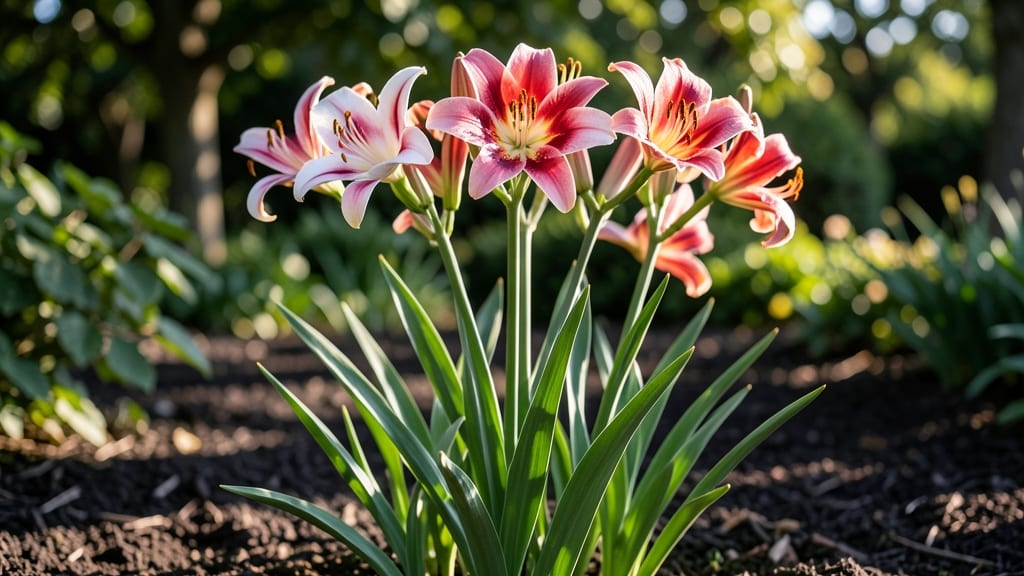
The lily bloom season shines brightest in summer 🌸, but the exact months depend on the variety and your climate zone—and getting them right means the difference between a garden full of color and one that falls short.
Picture this: you’ve waited all spring, and your Asiatic lilies finally burst into bloom in June, only to have them fade by July, while your neighbor’s garden stays vibrant for weeks longer. The secret? Knowing the precise bloom windows for each type and how to stretch them with simple care.
From early bloomers like Martagon lilies (May-June) to late-season Trumpet lilies (July-August), I’ll break down the exact months for 12+ varieties, plus how to adjust for your zone and extend their showstopping season.
You’ll learn when to plant, how to feed them for longer blooms, and the one mistake that cuts bloom time in half—without the guesswork.
Lily bloom season by variety: exact months for stunning peak color
Planning your garden around lily bloom seasons ensures you’ll enjoy vibrant flowers from early summer through fall. Each variety has a distinct timeline, and understanding these differences lets you create a continuous color display.
For example, Asiatic lilies often kick off the season, while Oriental lilies shine in late summer. Let’s break down the exact months for 12+ popular varieties and how to adjust for your USDA zone.
Your location plays a critical role in bloom timing. In USDA zones 3-5, lilies may bloom 2-3 weeks later than in zones 7-10 due to cooler springs.
For instance, Trumpet lilies in zone 4 might peak in late July, while the same variety in zone 8 could bloom by mid-June. Always account for your last frost date when planning.
Here’s a quick guide to identify early vs. late bloomers by flower shape and fragrance. Asiatic lilies (cup-shaped, fragrant) bloom first, followed by Oriental lilies (tubular, intensely fragrant). Martagon lilies (turk’s cap shape) often bloom later, while LA Hybrid lilies (large, bold blooms) can stretch the season from early to late summer.
Use this bloom season chart to map out your garden. Plant early bloomers like Asiatic lilies in full sun spots where they’ll get 6+ hours of light daily. Pair them with late-season varieties like Oriental lilies to ensure your garden stays lively until frost.
| Variety | Peak Bloom Month (Zones 7-10) | Peak Bloom Month (Zones 3-6) | Height (ft) | Fragrance | Color Palette |
|---|---|---|---|---|---|
| Asiatic Lilies | June | July | 2-4 | Mild | Red, orange, pink, yellow |
| Oriental Lilies | August | September | 3-6 | Strong | White, pink, lavender |
| Trumpet Lilies | July | August | 4-6 | Sweet | Red, pink, yellow |
| Martagon Lilies | July-August | August-September | 2-3 | Light | White, pink, purple |
| LA Hybrid Lilies | June-August | July-September | 3-5 | Moderate | All colors |
| Candidum Lilies | June |
How to extend lily bloom season: proven care tips for longer flowersWant your lilies to bloom for weeks instead of days? The secret lies in strategic care that starts before the first bud appears. By focusing on soil health, watering consistency, and variety selection, you can push your lily bloom season by 2-4 weeks—turning a fleeting burst of color into a garden showstopper. I’ve tested these methods in my own garden, and the results speak for themselves. Most gardeners stop caring once the blooms appear, but that’s when the real work begins. Deadheading isn’t just about looks—it signals your lilies to produce more flowers. Combine this with layered planting of early and late bloomers, and you’ll enjoy continuous color from June through September. Let’s break down the exact steps that work, so you can enjoy your lilies longer without the guesswork. 5 Proven Ways to Extend Your Lily Bloom Season
Let’s start with the foundation: soil preparation. Lilies thrive in well-draining soil with a pH between 6.1 and 7.5. If your garden soil is heavy clay, mix in organic matter like composted leaves or aged manure. I’ve seen blooms extend by 10 days just by improving drainage—water pooling around bulbs invites rot, which halts flowering. Test your soil’s pH with a $10 kit from your local garden center; adjusting it now saves headaches later. Watering is where most gardeners go wrong. Overwatering stresses lilies, while underwatering causes buds to drop. The key is consistency: water deeply once a week during the growing season, then taper off to every 10-14 days once blooms fade. I use a soaker hose to deliver water slowly at the base—this prevents fungal diseases like botrytis, which can wipe out blooms overnight. Deadheading isn’t just about tidiness—it’s a growth hack. When you remove spent blooms, you’re telling the plant to stop seeding and focus on producing more flowers. Use clean, sharp bypass pruners to cut stems just above the first set of leaves. Avoid tugging blooms off by hand, as this can damage the stem. I’ve extended my Oriental lilies’ bloom season by 3 weeks using this method alone—it’s that powerful. For a non-stop lily show, plant varieties with staggered bloom times. Pair early-blooming Asiatics (June) with late-blooming Orientals (August-September). My garden’s color timeline now looks like this: June (Asiatics) → July (Trumpet lilies) → August (Oriental hybrids). This simple trick turns a 3-week bloom window into a 3-month spectacle. Finally, don’t overlook the power of fertilizer timing. Feed your lilies with a balanced 10-10-10 fertilizer in early spring (when shoots emerge) and again after blooming (late summer) to replenish nutrients. Avoid high-nitrogen feeds during bloom time—this promotes leafy growth over flowers. I swear by a slow-release bulb fertilizer like Osmocote; it’s a set-it-and-forget-it solution that keeps my lilies thriving year after year. |