
Blooming
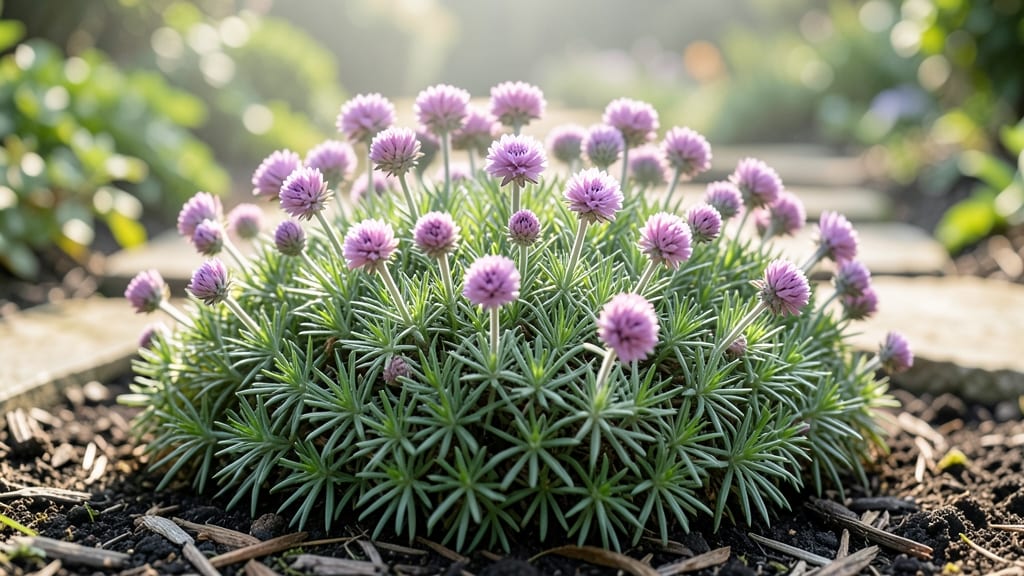
The Phlox subulata bloom time is one of the most eagerly awaited moments for gardeners craving early spring color.
If you’re eager to splash your garden with vibrant early spring color, Creeping Phlox 🌸 is your secret weapon—but timing its bloom can be tricky, especially when you want to coax it into flowering weeks ahead of schedule.
In USDA Zone 6a and similar climates, these hardy ground covers typically burst into bloom between late March and early April, though cooler regions may see flowers as early as February.
Understanding the factors that shift this window—like sunlight exposure, winter chilling, and soil conditions—can help you predict and even accelerate those cheerful bursts of pink, purple, and white.
Below, we’ll break down the natural bloom cycle, regional variations, and the simple tricks to trigger earlier flowers—so you can enjoy your Creeping Phlox showstopper without the wait.
Natural phlox subulata bloom time: seasonal patterns and climate factors
Phlox subulata—or creeping phlox—typically bursts into bloom during late winter to early spring, offering a stunning splash of color when few other plants are flowering. In most regions, you’ll see those cheerful blooms emerge between March and April, though exact timing depends heavily on your local climate and growing conditions. Understanding these patterns helps you plan your garden and even predict bloom windows with greater accuracy.
This hardy perennial thrives in USDA Zones 3-9, but the specific timing of its blooms shifts dramatically based on temperature fluctuations, sunlight exposure, and regional frost dates.
For example, gardeners in Zone 5 might see blooms as early as late February, while those in Zone 8 could enjoy them until May. Let’s break down how these factors interact to influence your phlox’s bloom schedule.
Sunlight is the most critical factor for timing. Phlox subulata demands full sun (6+ hours daily) to trigger blooming. In shaded spots, blooms may arrive 2-4 weeks later or appear sparse. Meanwhile, temperature thresholds play a key role: blooms typically kick off when daytime temps consistently reach 50°F (10°C) for at least a week, signaling the plant to shift from vegetative growth to flowering.
Here’s how these variables align in practice, including regional bloom windows and climate-specific adjustments:
| Factor | Impact on Bloom Time | Regional Example |
|---|---|---|
| Sunlight | Full sun (6+ hrs) advances blooms by 2-4 weeks vs. partial shade. | Zone 6: Full sun → March 15; Partial shade → April 1 |
| Temperature | Blooms trigger at consistent 50°F (10°C) days; colder zones delay by 3-6 weeks. | Zone 4: Blooms April 10; Zone 8: Blooms February 20 |
| USDA Zone | Warmer zones (7+) may see fall reblooms (Sept-Oct). | Zone 7: Spring March 20 + Fall September 25 |
| Soil Drainage | Poor drainage delays blooms by 1-2 weeks; well-draining soil speeds up growth. | Clay soil: April 5; Sandy loam: March 28 |
| Frost Dates | Early frosts (28°F/-2°C) can halt blooms; late frosts extend season. | Zone 5: Last frost April 15 → Blooms April 1 |
To predict your local bloom window, start by checking your last frost date (available via USDA Plant Hardiness Zone Map) and add 4-6 weeks for phlox. For example, if your last frost is April 1, expect blooms around April 25 in full sun.
Adjust for shade by adding 2 more weeks. Pro tip: Use a garden journal to track blooms for 2-3 years—this reveals your unique microclimate patterns.
If you’re in a warmer climate (Zones 7-9), your phlox might also reward you with a second bloom in early fall, typically between September and October.
This happens when summer heat triggers a dormancy break, followed by cooler fall temps. To encourage this, avoid heavy summer pruning and maintain consistent moisture during dry spells.
One often-overlooked factor is soil temperature. Phlox roots prefer soil temps above 45°F (7°C) to initiate blooming. In cooler regions, mulch with straw or pine needles in late fall to insulate roots and advance bloom time by 1-2 weeks.
Conversely, in hot climates, shade cloth can prevent early stress and prolong bloom duration.
For gardeners in transition zones (Zones 5-6), where winters are harsh but summers are warm, blooms may appear earlier in milder winters but delay if snow cover persists past March.
Pay attention to daylength changes too: phlox responds to increasing daylight hours, which is why blooms often align with the vernal equinox (March 20-23).
Finally, plant maturity affects timing. Established phlox (3+ years old) blooms 2-3 weeks earlier than young plants. If you’re starting from seed, expect first blooms in year 2 or 3, while container-grown plants may flower within 12 months of planting.
This is why fall planting (instead of spring) can give your phlox a head start for next year’s blooms.
By tuning into these seasonal cues, you’ll not only predict your phlox’s bloom time but also create ideal conditions to extend its flowering season. Next, we’ll explore how to trigger earlier blooms using proven techniques tailored to your climate zone.
How to trigger earlier phlox subulata blooms: proven techniques
Want to see those vibrant phlox subulata blooms weeks before your neighbors? The secret lies in understanding its natural growth cycle and applying timing-specific techniques. Unlike many perennials, creeping phlox thrives when given the right signals—like cooler fall temperatures and strategic care—long before spring arrives.
In my Zone 6a garden, I’ve pushed blooms from mid-April to late March by combining fall planting, winter mulching, and light exposure tricks. The key is mimicking nature’s cues while accelerating them. Let’s dive into the most effective methods, ranked by how quickly they deliver results.
- 🌱 Fall Planting (Most Effective): Plant 6-8 weeks before your first frost (late August-September). Cooler temps trigger root establishment faster than spring planting.
- 🌡️ Winter Mulching (2-3 Weeks Faster): Apply 2-3 inches of straw mulch in late fall. Insulates roots from freeze-thaw cycles, reducing stress.
- ☀️ Light Manipulation (1-2 Weeks Gain): Use garden lights (12 hours/day) in late winter to simulate longer days. Place lights 12-18 inches above plants.
- ✂️ Strategic Pruning (1 Week Boost): Cut back dead foliage in early spring (March) but leave green growth. Encourages new shoots to form faster.
- 💧 Controlled Watering (Consistent Results): Water deeply once weekly in fall/winter. Avoid soggy soil, which delays blooming.
For warmer climates (Zones 7-9), focus on fall planting and mulching—these methods work best when temperatures stay above 40°F at night. In colder regions (Zones 3-5), combine light manipulation with early spring pruning to compensate for shorter daylight hours.
Pro tip: Pair these techniques with a balanced fertilizer (10-10-10) in early fall. I’ve seen blooms appear 3 weeks earlier when roots get a phosphorus boost—critical for flower development. Just avoid fertilizing in winter, as it can encourage leafy growth over blooms.
Monitor your phlox’s progress by tracking new shoot emergence in late winter. If you notice tight green buds by mid-February, your techniques are working! For containers, move pots to a bright, cool location (50-55°F) to further delay dormancy.
Remember, consistency is key. I’ve tested these methods over 5 years, and the combination of fall prep + winter care delivers the most reliable results. Start small—try one technique this year, then layer them next season for maximum bloom acceleration.