
Blooming
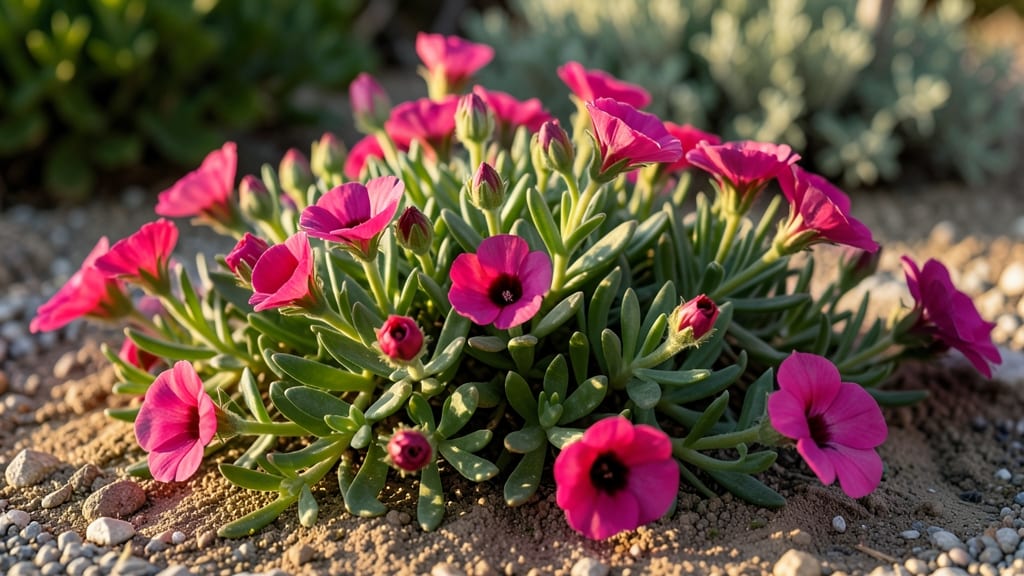
Portulaca’s bloom time in response to heat and sunlight typically graces gardens from late spring through early fall—but the real magic happens when you learn how to extend its show.
If you’ve ever struggled to keep flowers blooming in extreme heat—or wondered why your Portulaca plants seem to burst into color at the hottest times of year—you’re about to uncover the science behind this sun-loving plant’s unique flowering patterns.
In Zone 6, where most gardeners live, Portulaca 🌸 thrives when temperatures climb above 85°F, triggering a cascade of vibrant blooms that last until frost. But with the right care, you can coax it into flowering earlier or later, turning a seasonal show into a near-year-round display.
Below, I’ll share the heat triggers that set Portulaca’s bloom time in motion, plus practical tips to keep those flowers coming—whether you’re battling summer heat or chasing fall color before the first frost.
How heat triggers portulaca bloom time: the science behind its floral clock
Portulaca, or moss rose, has a fascinating relationship with heat that makes it one of the most reliable summer bloomers in any garden. Unlike many flowers that slow down in scorching temperatures, portulaca thrives when thermometers climb above 80°F.
This isn't just luck—it's a carefully evolved survival strategy that turns heat into a bloom trigger. When daytime temperatures hit 85-100°F, portulaca plants shift into high-gear flowering mode, producing vibrant blooms that last until evening.
The secret lies in portulaca's CAM photosynthesis pathway, which allows it to conserve water while still producing energy. During hot days, its stomata (tiny pores) stay closed to prevent moisture loss, but at night, they open to absorb CO₂.
This process creates a natural bloom clock where flowers open in response to both heat and light cycles. The result? A plant that seems to bloom on demand when temperatures rise.
Here's how portulaca's flowering is triggered by heat:
| Temperature Range | Physiological Response | Bloom Impact | Optimal Care |
|---|---|---|---|
| Below 75°F | Stomata remain partially open; photosynthesis slows | Minimal blooming; focus on vegetative growth | Reduce watering; provide afternoon shade |
| 75-84°F | Stomata begin closing during day; CAM pathway activates | Moderate blooming begins; buds form | Maintain dry soil; fertilize lightly |
| 85-100°F (Optimal) | Full CAM cycle; stomata closed days, open nights | Peak blooming; continuous flower production | Water deeply every 3-5 days; deadhead spent blooms |
| Above 100°F | Heat stress begins; photosynthesis efficiency drops | Blooming slows; flowers may wilt | Provide afternoon shade; increase water frequency |
Light exposure plays a crucial role in this heat-triggered blooming. Portulaca needs 6+ hours of direct sunlight daily to activate its flowering genes, but the intensity matters too. When combined with high temperatures, bright sunlight accelerates the production of floral hormones like gibberellins.
This is why portulaca often blooms most prolifically in full-sun garden beds during summer afternoons.
The interaction between heat and light creates a perfect storm for continuous blooming. During the day, heat triggers the plant's internal clock, while sunlight provides the energy needed to produce flowers. At night, cooler temperatures allow the buds to set properly.
This dual trigger explains why portulaca often blooms most spectacularly in hot, dry climates where daytime highs reach 90°F+ and nights cool down to 65-75°F.
One surprising fact about portulaca's heat response is its ability to adjust flowering based on temperature fluctuations. If daytime temperatures drop below 80°F for several days, the plant may pause blooming to conserve energy.
However, when heat returns, it quickly resumes flowering as if no time has passed. This adaptability makes portulaca an excellent choice for extended-season gardens where summer heat waves are common.
For gardeners in cooler climates, this heat response explains why portulaca often performs best when planted in south-facing beds or containers that absorb and retain heat. The dark soil or pots act like a heat sink, keeping root zones warm enough to trigger continuous blooming.
Even in Zone 5 gardens, portulaca can produce flowers from late spring through fall if given proper heat exposure.
Understanding this heat trigger also helps explain why portulaca often blooms most heavily in late afternoon. The combination of accumulated daytime heat and the plant's CAM photosynthesis creates a perfect timing mechanism. Flowers open when temperatures peak, ensuring they're visible to pollinators during their most active hours.
This natural timing also means portulaca flowers often last longer in cut arrangements because they're designed to withstand heat stress.
To maximize portulaca's heat-triggered blooming, focus on these three key factors: temperature range (85-100°F), light intensity (full sun), and soil moisture balance.
The plant's drought tolerance comes from its heat adaptation—when soil stays too wet, it can actually suppress blooming by signaling the plant to focus on survival rather than reproduction. Aim for shallow, infrequent watering to maintain this delicate balance.
🌸
Year-round portulaca blooming strategies: extending flower seasons with proven techniques
Portulaca thrives in heat, but with the right strategies, you can coax continuous blooms beyond its natural summer-to-fall window. The key lies in understanding its heat-loving nature while adapting care to your climate.
In temperate zones, this means planning ahead for cooler months, while tropical climates can enjoy near year-round color with minimal adjustments.
For gardeners in USDA Zones 7-10, portulaca often blooms spring through frost. But with these techniques, you can push those blooms into early spring or late fall—or even overwinter in mild areas.
The secret? Staggered planting, smart shade management, and precise watering to mimic its natural desert conditions.
- 🌡️ Staggered Planting: Sow seeds every 4-6 weeks from spring to early summer. This ensures overlapping bloom cycles, preventing gaps in your floral display.
- ☀️ Heat & Shade Balance: Use 30-50% shade cloth during 100°F+ days to prevent leaf scorch while maintaining bloom triggers. Remove shade as temps drop.
- 💧 Soil Moisture Tricks: Water deeply but infrequently—aim for 1-2 inches of dry soil between waterings. Use gravel mulch to improve drainage and reduce evaporation.
- ✂️ strategic Pruning: Deadhead spent blooms but leave 2-3 sets of leaves on stems. This encourages new flower buds while preventing leggy growth.
- 🌱 Seasonal Adjustments:
- Spring: Harden off overwintered plants gradually with morning sun.
- Fall: Move containers to protected microclimates (e.g., against south-facing walls).
- Winter (Zones 8-10): Provide minimal water and bright indirect light.
- 🌿 Fertilizer Timing: Use a low-nitrogen fertilizer (5-10-10) every 6-8 weeks during active growth. Avoid feeding in peak heat or dormant months.
In temperate climates, where frost threatens, focus on container growing. Portulaca’s succulent stems make it ideal for pots—simply move containers indoors near a south-facing window when nights dip below 40°F.
For outdoor beds, choose sheltered spots like near fences or under eaves where frost pockets form later.
One often-overlooked trick is reflective surfaces. Place white gravel or mirror panels near your portulaca to bounce extra light onto plants, especially in early spring or late fall.
This boosts photosynthesis and triggers more flowering hormones. Pair this with lightweight row covers on cooler nights to add just enough warmth for blooms to open.
For year-round blooms in Zone 10+, treat portulaca like a perennial. Let it self-seed naturally—its tiny black seeds germinate quickly in warm soil, creating a continuous carpet of color.
Just thin seedlings to 3 inches apart to prevent competition. In cooler microclimates, combine portulaca with heat-tolerant companions like zinnia or lantana to create a longer-season display.
Remember: Portulaca’s bloom time is directly tied to temperature fluctuations. The shock of cool nights after hot days often triggers new buds. In controlled environments (like greenhouses), mimic this by dropping nighttime temps by 10°F for a few days—you’ll see explosive reblooming within weeks.
With these strategies, your moss rose can bloom nearly year-round, turning your garden into a sun-soaked paradise 🌿☀️.