
Blooming
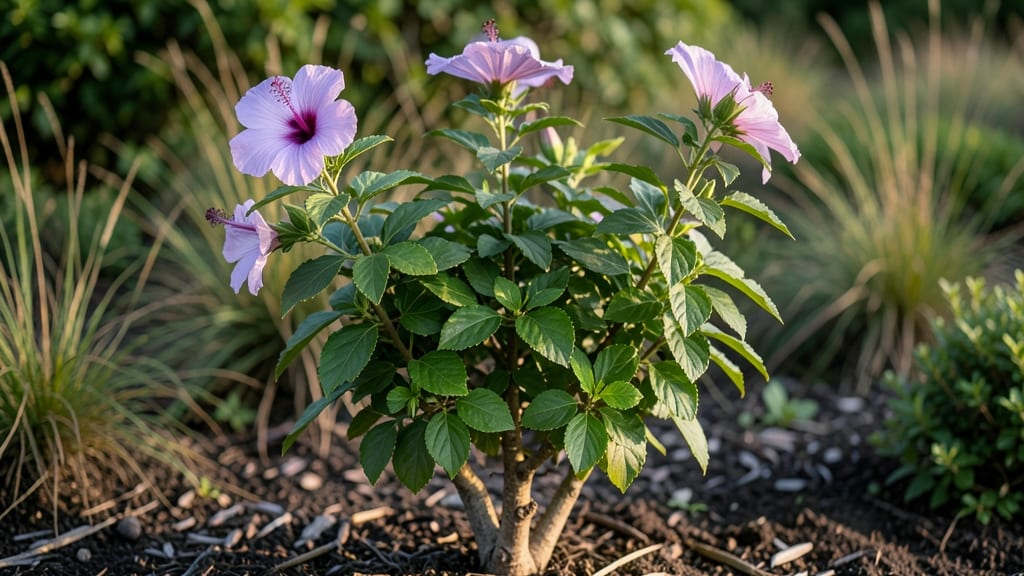
The Rose of Sharon bloom time is a breathtaking late-summer spectacle that turns gardens into living canvases of color.
If you’ve ever wondered why your 🌸 shrub seems to vanish after summer only to burst into vibrant blooms later, you’re not alone—timing is everything with this stunning plant.
Understanding its bloom cycles by hardiness zone and variety can mean the difference between a showstopping garden centerpiece and a missed seasonal spectacle.
In USDA Zone 6a, like much of the Midwest, expect blooms from mid-to-late August through October, while southern zones may see flowers as early as July or stretch into November. The key? Balancing sunlight, pruning, and seasonal care to keep your shrub thriving when it matters most.
Below, I’ll break down exactly when to expect those iconic trumpet-shaped flowers, how to extend their season, and the simple tweaks that make all the difference—so you never miss a single bloom.
Rose of Sharon bloom time by USDA hardiness zones
The Rose of Sharon (Hibiscus syriacus) is famous for its dramatic late-season blooms, but its timing varies dramatically across USDA hardiness zones. In colder climates like Zone 5, blooms appear as early as mid-June, while warmer Zone 10 gardens enjoy extended displays until November.
These differences stem from temperature shifts and daylight hours that trigger flowering.
Most varieties follow a late-summer to fall bloom cycle, but some reblooming cultivars produce secondary flushes in spring. Understanding your zone helps you choose the right variety and anticipate care needs—like pruning after first frost to protect tender growth.
Here’s how bloom windows shift across zones, including key triggers like daylength sensitivity and temperature thresholds that kickstart flowers:
| USDA Zone | Primary Bloom Window | Secondary Bloom Window | Climate Trigger | Notes |
|---|---|---|---|---|
| Zone 5 | Mid-June to early October | None (single flush) | Short daylight + 70°F+ temps | Early bloomers; prune after frost |
| Zone 6-7 | Late July to November | Spring (rebloomers only) | Daylength <14 hours | Best for 'Amethyst Showers' |
| Zone 8-9 | August to December | Spring (light) | Consistent 65°F+ nights | Extended fall color |
| Zone 10 | September to January | Year-round (tropical) | No frost; long daylight | 'Diana' thrives here |
In Zone 5, the shortest daylight hours of summer trigger blooms, often starting as early as June 15 if temperatures stay above 70°F. These early bloomers fade by first frost, so plan pruning for late winter to remove dead wood and encourage next year’s growth.
Zones 6-7 enjoy the longest bloom windows, with reblooming varieties like 'Amethyst Showers' producing secondary spring flowers. The key trigger here is daylength sensitivity—once daylight drops below 14 hours, buds form rapidly. Mulch heavily in fall to protect roots from temperature swings.
Warmer zones (8-10) experience extended fall displays thanks to milder nights. In Zone 10, some varieties bloom nearly year-round, with peaks in September and January. Here, pruning is minimal—focus on removing spent blooms to redirect energy to new growth.
To maximize blooms, time fertilization with your zone’s cycle. In Zones 5-7, feed in early spring (March-April) for summer blooms. Zones 8-10 benefit from light summer feeds to sustain fall flowering. Avoid late-season nitrogen—it encourages leafy growth over blooms.
Daylight hours play a critical role in bud formation. Rose of Sharon is a short-day plant, meaning it blooms when daylight shortens. In northern zones, this happens by late July, while southern zones see it as late as September.
This explains why Zone 5 plants bloom earlier than Zone 10 counterparts.
Pro tip: Use reflective mulch around your shrub to trick it into thinking daylight is shorter, encouraging earlier blooms in Zones 6-7. Pair this with regular pruning to remove crossing branches—this improves airflow and bloom density.
If your Rose of Sharon skips blooms, check for over-fertilization or poor pruning habits. In Zones 8-10, where blooms are year-round, deadhead spent flowers to prevent seed formation and prolong the display. In colder zones, protect buds from late spring frosts with frost cloth.
🌸
Top Rose of Sharon varieties ranked by bloom duration & season
Choosing the right Rose of Sharon variety means longer seasons of color and fewer gaps in your garden's display. Some cultivars like 'Amethyst Showers' burst into bloom in early summer, while others like 'Alba' reward you with late-season displays that last into crisp fall air.
The key difference? Reblooming tendencies and color intensity vary dramatically between types.
For gardeners in USDA Zones 5-9, timing is critical. Early bloomers like 'Aphrodite' start as soon as spring warms, while late-season varieties like 'Diana' extend your floral show through October.
Let's break down the top performers based on bloom duration and seasonal performance to help you pick the perfect match for your landscape.
'Kay Noh' takes the crown for longest bloom duration, with vibrant pink blooms appearing from mid-July through October in most zones. This variety thrives in full sun and handles heat better than many others, making it ideal for southern gardens. Its reblooming habit ensures continuous color if you prune properly after each flush.
For white floral elegance, 'Alba' delivers stunning, fragrant blooms from late summer to frost. Unlike many varieties, it maintains its color intensity even in cooler fall temperatures.
Pair it with 'Amethyst Showers' for a purple-pink contrast that extends your seasonal palette. Both varieties benefit from light pruning in early spring to encourage dense branching.
If you crave early spring surprises, 'Aphrodite' blooms as soon as soil warms in Zone 5, often appearing in April or May before many other shrubs. Its lavender-pink flowers create a breathtaking display against spring foliage.
For extended fall interest, 'Diana' produces deep pink blooms that last until first frost, sometimes even longer in mild climates.
Don't overlook 'Annabelle' for its prolonged bloom time—this variety often flowers in two distinct waves: once in summer and again in fall. Its white, double blooms create a cloud-like effect that's perfect for cottage gardens.
For compact gardens, 'Minerva' offers all the beauty in a 6-foot-tall package with deep pink flowers that appear from mid-summer to frost.
To maximize your Rose of Sharon's bloom time, focus on three key factors: proper pruning timing (after blooms fade), well-draining soil (amend with compost if needed), and consistent moisture during drought periods. Most varieties reward these efforts with 6-8 weeks of continuous blooms when cared for properly.