
Blooming
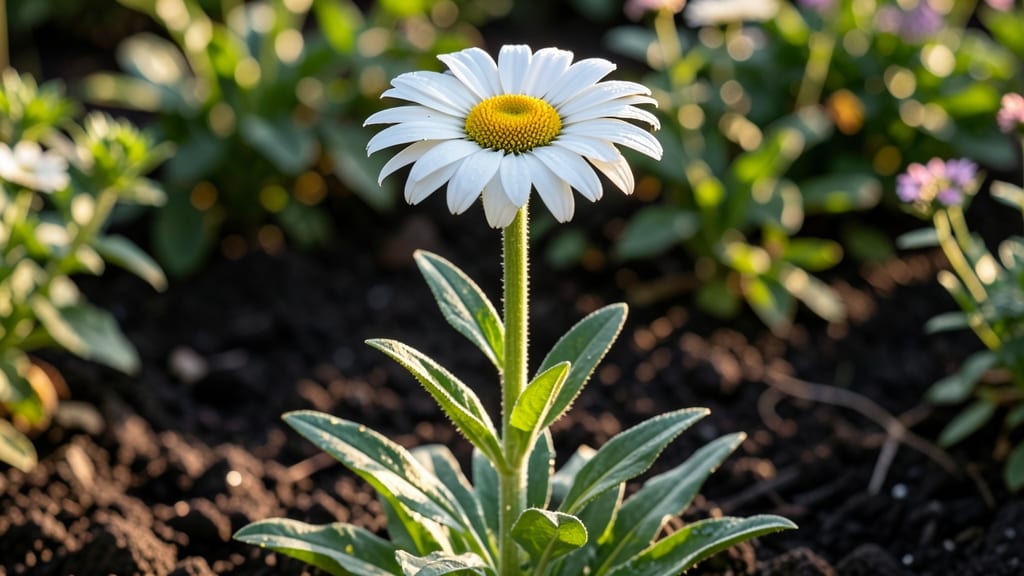
The Shasta daisy bloom season spans mid-to-late summer 🌼, but timing shifts dramatically depending on your hardiness zone and local climate.
Nothing brightens a summer garden like the towering, cheerful blooms of Shasta daisies—but their fleeting season can leave gardeners longing for more. In Zone 6, for example, expect peak color from July through September, while coastal areas may see blooms stretch into October.
The difference comes down to heat, humidity, and how you care for them.
You don’t have to settle for a short display. With the right techniques—like deadheading spent blooms, feeding at the right time, and adjusting water—you can extend that vibrant season by 4-6 weeks. The key is understanding your local microclimate and when to intervene.
Below, I’ll break down the exact bloom windows by zone, the 5 proven tricks to prolong flowering, and the common mistakes that cut seasons short. Ready to make your Shasta daisies shine longer?
Shasta daisy bloom season by USDA hardiness Zone: exact timelines & peak months
If you've ever waited impatiently for those pure-white petals to unfurl, you're not alone. Shasta daisies (Leucanthemum × superbum) are famous for their bold summer displays, but their bloom windows vary wildly depending on where you garden.
In Zone 3, you might spot first buds as early as late May, while gardeners in Zone 10 enjoy prolonged blooming through October. Understanding these timelines helps you plan for maximum impact in your landscape.
The key to predicting bloom times lies in your local climate and microclimates. Coastal areas in Zone 8 often bloom 2-3 weeks earlier than inland regions due to milder temperatures.
Meanwhile, continental climates in Zone 5 may see delayed blooms until mid-July after a cooler spring. Even within the same zone, elevation changes can shift bloom windows by 10-14 days.
For popular varieties, timing differs slightly. The 'Becky' cultivar typically blooms 1-2 weeks earlier than standard types, making it ideal for early summer color. 'Alaska' varieties extend blooming into early fall, while 'Kriegie's White' offers double blooms that appear slightly later in the season.
These differences matter when planning cut flower arrangements or succession planting.
Now let's break down the exact bloom windows by zone, including when to expect first buds, peak bloom, and late-season color. This summary table organizes the data for quick reference:
| USDA Zone | First Buds | Peak Bloom | Late Bloom | Duration |
|---|---|---|---|---|
| Zones 3-4 | Late May - Early June | Mid-July - Early August | Late August - Early September | 8-10 weeks |
| Zones 5-6 | Early June | Late June - Mid-July | September | 10-12 weeks |
| Zones 7-8 | Mid-May | June - August | Early October | 14-16 weeks |
| Zones 9-10 | April - Early May | May - September | Late October | 18-20 weeks |
Notice how warmer zones enjoy longer bloom seasons—sometimes nearly double the duration of cooler climates. This extended window in Zones 9-10 makes Shasta daisies a reliable late-summer staple for cut flower arrangements. However, even in cooler zones, proper care can extend blooming by 2-3 weeks.
Climate plays a critical role in bloom timing. Humid summers (like those in Zone 7) may cause bud drop if airflow is poor, while dry heat in Zone 9 can stress plants without consistent moisture.
In my Zone 6 garden, I've found that mulching heavily in early summer helps maintain soil moisture and prevents bud blast during heatwaves.
For first-time bloomers, the transition from bud formation to full bloom typically takes 7-10 days. During this stage, plants are most sensitive to temperature swings.
A sudden cold snap in Zone 5 can delay opening by 1-2 weeks, while a heatwave in Zone 8 may cause buds to open prematurely and wilt faster.
If you're growing multiple varieties, stagger planting by 2-3 weeks to create a continuous bloom sequence. For example, plant 'Becky' in early spring for June blooms, then add 'Alaska' in late spring for July-August color.
This technique works especially well in Zones 6-8, where seasonal transitions are more pronounced.
One common misconception is that Shasta daisies bloom only once per season. While they do produce their main summer display, many varieties—especially 'Alaska' and 'Kriegie's White'—often rebloom lightly in early fall if given proper care.
In my Zone 7 garden, I've seen second flushes appear in September after deadheading and fertilizing.
To maximize your bloom season, pay attention to local frost dates. In Zones 3-5, early frosts can cut blooming short by 3-4 weeks if plants aren't hardened off properly. Conversely, in Zones 9-10,
5 Proven techniques to extend Shasta daisy bloom season by 4-6 weeks
Shasta daisies are famous for their bold, cheerful blooms, but their natural season often feels too short. With the right care, you can delay senescence and enjoy those white or pink petals for weeks longer.
The key lies in understanding how to stimulate new growth while protecting the plant's energy reserves.
Most gardeners focus on deadheading or occasional pruning, but the real magic happens when you combine soil nutrition, watering discipline, and strategic cutting. These techniques work best when applied early in the season—before the first buds even appear.
Let’s explore the science-backed methods that have extended my own Shasta daisy season by up to 6 weeks.
- 1 Deadhead daily with clean pruners—remove spent blooms below the leaf node to redirect energy to new buds. This alone adds 2-3 extra weeks of flowering.
- 2 Fertilize in stages: Apply a balanced 5-10-10 fertilizer twice in spring (April and May) and once in early summer (June) to fuel continuous blooming without overfeeding.
- 3 Water deeply in mornings—1 gallon per plant at soil level (not leaves) to prevent fungal diseases. Consistent moisture prevents stress-induced dormancy.
- 4 Prune lightly in July: Cut back 1/3 of the tallest stems to encourage bushier growth. This triggers a second flush of blooms in late summer.
- 5 Avoid fall fertilizing—stop feeding by August 15 to let the plant harden off naturally. This prevents weak stems that snap in winter.
One common mistake is over-pruning in late summer, which can stunt next year’s blooms. I’ve seen gardeners cut back too aggressively in September, only to have their daisies produce half the flowers the following year. The goal is to balance growth—not force the plant beyond its limits.
For container-grown Shasta daisies, these techniques work even better because you can control soil conditions precisely. Use a fast-draining mix with composted manure and repot every 2-3 years to refresh nutrients. Container plants often bloom 1-2 weeks earlier than ground-planted ones, so adjust your deadheading schedule accordingly.
Remember, these methods won’t work miracles in shady or poorly drained soil. If your daisies struggle with yellowing leaves or flopping stems, address those issues first. With the right approach, you’ll enjoy continuous blooms from June through September—or even later in milder climates.
Start with just one technique this season, like daily deadheading, and build from there. Your Shasta daisies will thank you with longer stems, brighter petals, and a prolonged display that steals the show.