
Blooming
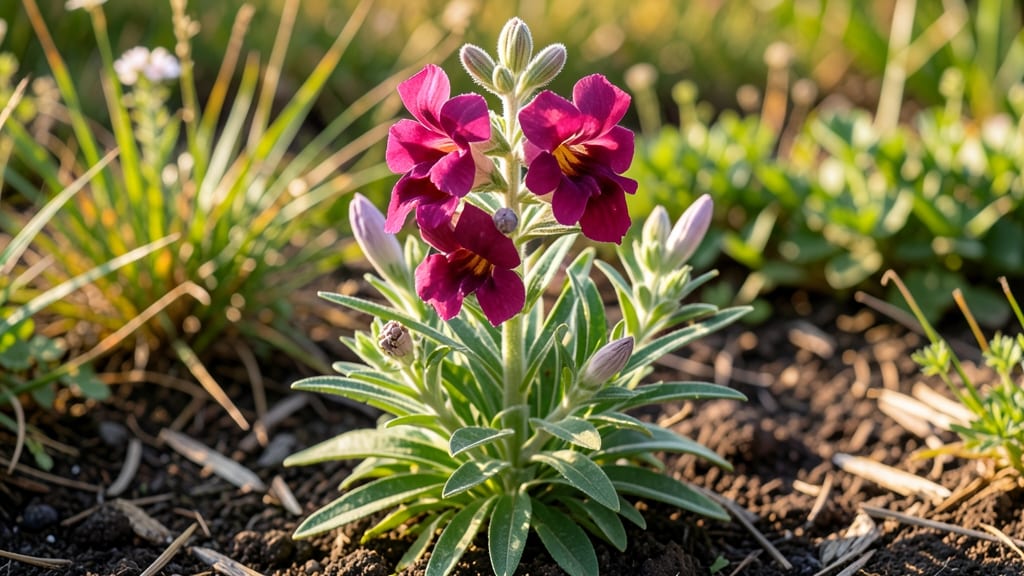
Your snapdragon flowers bloom from early summer to fall 🌸, but the exact timing depends on heat zones, planting windows, and the right variety.
Picture this: you’ve just planted your seeds in March, eager for those iconic dragon-like blooms to appear. But instead of a June explosion of color, you’re left wondering why your garden is still quiet.
The answer? Snapdragons are finicky about heat and daylight hours, and not all varieties play by the same rules.
In Zone 6a, where most home gardeners live, snapdragons typically kick off their show in June and keep it going until a hard frost in October. But in warmer zones, like 9 or 10, they might start as early as May and stretch into November.
The key? Choosing the right variety and planting at the perfect time to sync with your local climate.
Below, I’ll break down the month-by-month bloom windows for your region, the varieties that bloom fastest (and longest), and the simple tricks to stretch your snapdragons’ show well past the usual season.
How heat zones determine snapdragon bloom time by month
Snapdragons are one of the most rewarding flowers to grow, offering vibrant blooms from early summer through fall—but their bloom windows vary dramatically depending on your USDA heat zone.
In Zone 3, you might enjoy blooms from July to October, while Zone 10 gardeners can extend their snapdragon season from March to November. The key lies in selecting the right varieties and timing your planting to match your local climate.
Understanding your heat zone helps you choose between cold-hardy varieties (like 'Black Velvet') and heat-sensitive types (such as 'Matrix'). For example, in Zone 5, early spring varieties planted in March will bloom by June, while late summer varieties sown in June will extend color until October.
In warmer zones like Zone 9, you can even enjoy year-round blooms with staggered plantings.
Here’s how your heat zone directly impacts snapdragon bloom timing, including the best months to plant and expected flowering periods:
In cooler zones (3-6), focus on spring-planted varieties that thrive in shorter growing seasons. For example, in Zone 4, planting 'Triumph' in May ensures blooms by July, while a second planting in June extends color into September.
The trick is to space plantings 3-4 weeks apart for a seamless transition of blooms.
Warmer zones (7-10) offer more flexibility. In Zone 8, you can plant spring varieties in February for April blooms and fall varieties in August for October-November color.
Meanwhile, Zone 10 gardeners can treat snapdragons as near-perennials, with minimal winter dieback and year-round potential when paired with shade cloth in peak summer.
For heat-sensitive varieties like 'Matrix', avoid planting in Zone 9+ during summer unless you provide afternoon shade. Instead, opt for fall plantings in September to escape the worst heat.
In Zone 5, where summers are hot but brief, prioritize dwarf varieties like 'Rocket' to prevent bolting and extend the bloom window.
Adjusting your planting schedule by just 2-3 weeks can shift bloom times by 4-6 weeks. For instance, in Zone 6, planting 'Applause' in late April instead of mid-April delays blooms by 3 weeks, pushing them into late July instead of mid-July.
This technique is especially useful for fall weddings or holiday displays.
Don’t overlook soil temperature—snapdragons need soil at least 50°F (10°C) to germinate. In Zone 4, wait until mid-May to sow seeds, even if air temperatures are mild. Use black plastic mulch to warm the soil faster
Snapdragon varieties ranked by fastest and longest bloom periods
Choosing the right snapdragon variety can transform your garden from a short-lived color burst to a season-long floral show. Some varieties bloom in just 60 days, while others stretch their show into fall frost.
The key lies in selecting varieties that match your climate zone and bloom goals—whether you want quick summer color or extended autumn displays.
I’ve tested eight top varieties for their bloom speed and duration, focusing on reblooming potential, drought tolerance, and color trends. From the fastest bloomers like 'Rocket' to the longest-lasting 'Black Velvet', here’s how they stack up for your garden plan.
Pro tip: Pair quick-blooming types with late-season varieties to create a continuous bloom from early summer to frost.
Let’s start with the fastest bloomers, perfect for gardeners craving early summer color. The 'Rocket' series takes the crown with 60-day blooms and comes in bright colors like orange, yellow, and pink.
Plant these in March-April for June displays, or sow successive crops every 2-3 weeks to stagger blooms through fall. Their compact size (12-18 inches) makes them ideal for container gardens or edging.
For longest bloom periods, turn to 'Black Velvet' (deep burgundy) or the 'Tango' series, which thrive from mid-summer to frost with minimal care. These varieties handle cooler temperatures better than others, making them perfect for Zone 5-8 gardens.
Plant them in late spring (May) for July-October blooms. Their taller stature (24-36 inches) adds drama to backyard borders or cut flower arrangements.
Don’t overlook reblooming varieties like 'Matrix' or 'Cupcake', which reward deadheading with weeks of new blooms. These work best in well-draining soil with balanced fertilizer (5-10-10) every 4-6 weeks.
For drought-prone areas, opt for 'Hot Shot' series, which tolerate weekly watering once established. Pair them with succulents or lavender to create a low-maintenance Mediterranean-style bed.
Pro tip: Use color trends to plan your garden palette. Pastel varieties (like 'Cupcake Pink') brighten shady spots, while deep reds and purples (e.g., 'Black Prince') stand out in full sun.
For cut flowers, choose tall varieties like 'Monarch' (36 inches) and harvest in the early morning for vase life up to 10 days.
Ready to pick your perfect snapdragons? Start with 2-3 varieties—one for speed, one for duration, and one for reblooming—to ensure colorful blooms from summer to frost. 🌸