
Blooming
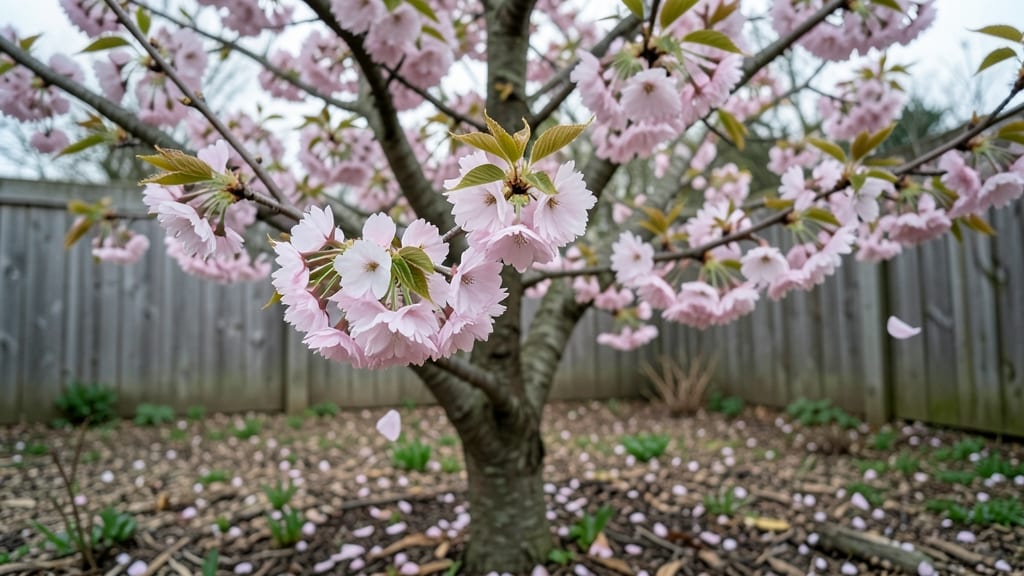
Timing the spring tree blooms right means catching the 🌸 show at its peak—before petals fall and summer heat sets in.
Every spring, trees burst into color—but timing your garden visits can mean the difference between a fleeting glimpse of blossoms or a full, vibrant spectacle. If you’ve ever raced to the park only to find the cherry blossoms already fading, you know how frustrating it can be.
In Zone 6a, most spring-blooming trees like dogwoods and magnolias peak between late March and early May, but microclimates and last-frost dates shift those windows. A few adjustments—like pruning at the right time or adding mulch—can stretch that two-week window into a month-long display.
Below, I’ll show you how to predict bloom times, extend the season, and avoid common mistakes that cut blooms short. Whether you’re planning a garden stroll or designing a landscape, these tips will help you make the most of spring’s most dazzling show.
How to predict spring tree bloom timing by species and climate
Predicting when your spring-blooming trees will burst into color depends on two key factors: tree species and your local climate zone. While some trees like cherry blossoms may bloom in early April, others like dogwoods might wait until late April or May.
Understanding these patterns helps you plan garden visits—or even extend bloom seasons with the right care.
Your USDA hardiness zone plays a huge role in bloom timing. Trees in Zone 5 may bloom 2-3 weeks later than those in Zone 8 due to colder winters. For example, a magnolia tree in Georgia might bloom in February, while the same species in New England waits until May.
Even within a zone, microclimates—like urban heat islands or sheltered valleys—can shift bloom windows by weeks.
Microclimates are often overlooked but critical. A south-facing slope warms up faster than a north-facing yard, accelerating bloom times. Similarly, urban areas with concrete and buildings can trap heat, causing trees to bloom earlier than rural counterparts just a few miles away.
Pay attention to these local nuances to refine your predictions.
Here’s a quick reference for popular spring-blooming trees and their typical bloom windows across USDA zones. Use this as a starting point, then adjust based on your last frost date and local weather patterns.
| Tree Species | USDA Zones | Typical Bloom Window | Microclimate Adjustments |
|---|---|---|---|
| Japanese Cherry (Prunus serrulata) | 5-9 | Late March to early April | Urban areas: 1-2 weeks earlier; sheltered valleys: 1 week later |
| Eastern Redbud (Cercis canadensis) | 4-9 | Early to mid-April | South-facing slopes: 1 week earlier; windy areas: delayed |
| Southern Magnolia (Magnolia grandiflora) | 7-10 | March to May (staggered) | Coastal regions: earlier; inland: later |
| Flowering Dogwood (Cornus florida) | 5-9 | April to early May | Humid climates: prolonged blooms; dry areas: shorter duration |
| Bradford Pear (Pyrus calleryana) | 5-9 | Late April to early May | Urban heat: 1 week earlier; rural: 1 week later |
| Crabapple (Malus spp.) | 3-8 | April to May (varies by cultivar) | Full sun: earlier blooms; partial shade: delayed |
To fine-tune your predictions, track your last frost date each year. Most spring-blooming trees need chill hours (300–1,000 hours below 45°F) to trigger blooms, but warm winters can disrupt this cycle.
If you’ve noticed delayed blooms or no blooms at all, your tree might not be getting enough chill hours. Consider choosing low-chill cultivars for warmer climates.
Another pro tip: Observe bud development in late winter. Swollen buds with visible color (pink, white, or yellow) mean blooms are 2–4 weeks away. For example, if you spot cherry blossom buds in late February, expect flowers by early April. This hands-on approach beats guessing based on calendars alone.
Don’t forget that tree age affects bloom timing. Young trees (under 5 years) may bloom later or less vigorously than mature specimens. If you’re planting a new spring-blooming tree, give it 3–5 years to establish before expecting a full display. Patience pays off with longer-lasting blooms and healthier growth.
For urban gardeners, heat from buildings and pavement can advance bloom times by 1–3 weeks. If your dogwood tree blooms in late March instead of April, it’s likely due to this urban heat effect.
To counteract it, ensure your tree has adequate soil moisture and mulch to regulate root-zone temperatures.
Finally, weather patterns in the weeks leading up to bloom can shift timelines. A cold snap in March might delay blooms, while an unusually warm February could trigger early flowering. Keep a garden journal to note these patterns year after year—your data will become more accurate than any generic chart.
By combining species knowledge, climate data, and local observations, you’ll master the art of predicting—and even influencing—your spring tree blooms. Soon, you’ll be the first in your neighborhood to spot those pink cherry clouds or white magnolia stars.
Pro tips to extend your spring tree bloom season
Want your spring tree blooms to last longer and shine brighter? The secret lies in proactive care that supports your trees' natural cycles. Pruning, soil health, and watering strategies can transform a fleeting burst of color into weeks of vibrant beauty.
Even urban trees in small yards can benefit—with the right approach, you’ll extend that cherry blossom or magnolia display by 2-3 weeks or more.
Start with pruning timing. Many gardeners make the mistake of pruning too late in spring, which can remove next year’s flower buds. For spring-flowering trees, prune immediately after blooms fade—this encourages robust growth for next season.
Pair this with soil amendments like compost or slow-release fertilizer to give roots the nutrients they need to fuel extended blooming.
Don’t overlook the power of companion planting. Trees like cherry blossoms thrive when paired with low-growing perennials that reflect sunlight back onto their leaves. For example, lavender or salvia not only enhance your garden’s aesthetic but also deter pests that can stress your trees.
In urban settings, consider container-friendly companions like fuchsias to add color without competing for space.
For rural gardens, focus on soil health as your biggest leverage point. Conduct a soil test in early spring to check pH and nutrient levels. Most spring-blooming trees prefer slightly acidic soil (pH 6.0-7.0).
If your soil is alkaline, amend it with sulfur or peat moss to create the ideal environment for vibrant blooms.
Finally, monitor pest activity early in the season. Aphids and scale insects can sap energy from your trees, shortening bloom duration. Use a hose spray to dislodge aphids or apply neem oil as a preventive measure.
Healthy trees bloom longer, so proactive pest control is a game-changer for extending that spring spectacle.
With these pro tips, your spring tree blooms will stay vibrant for weeks—turning your garden into a seasonal highlight. Start small, focus on one or two strategies this year, and watch the difference! 🌸