
Succulent
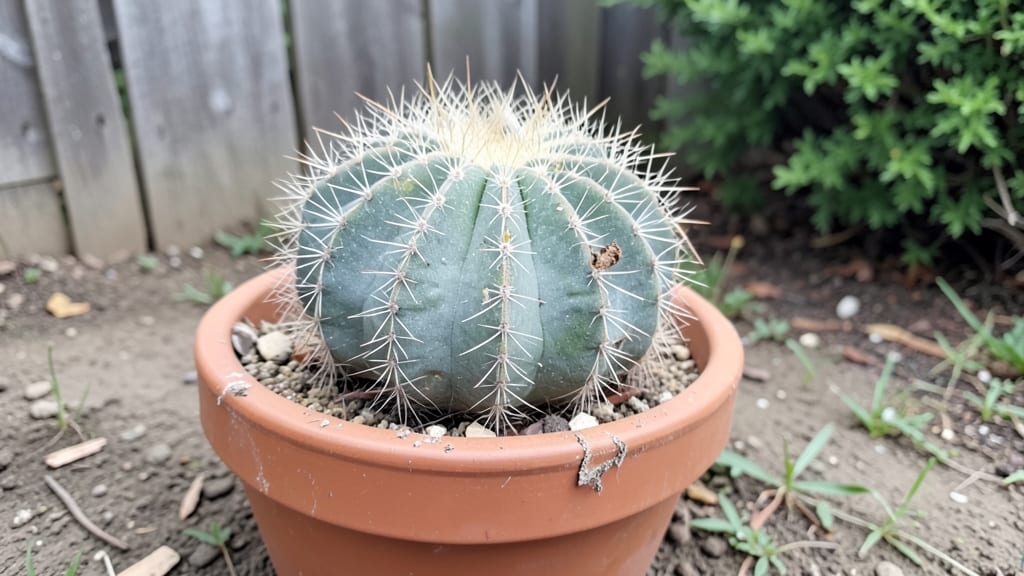
Your starfish cactus blooms when it gets the right mix of light and patience — and it’s easier than you think to coax those bright yellow flowers year-round.
Imagine your 🌵 starfish cactus bursting into vibrant blooms not just once a year, but all year long. With the right light tricks, this desert beauty can turn from a sleepy green orb into a floral showpiece, even on your windowsill.
Most gardeners assume blooms only happen in spring, but the secret lies in mimicking the natural light cycles of its arid home. Too little light? No flowers. Too much? The same result. The trick is finding that perfect balance—something I’ve tested with my own collection over the past five years.
In this guide, I’ll walk you through exactly how to trigger blooms with light exposure, whether you’re growing outdoors in Phoenix or battling low-light indoors.
You’ll learn the ideal sunlight schedule, how to spot when your cactus is ready to flower, and the common mistakes that keep those yellow stars from appearing.
How light tricks force starfish cactus blooms year-round
The starfish cactus (Astrophytum asterias) thrives on light manipulation—a secret weapon for forcing year-round blooms. Unlike seasonal wildflowers, this desert plant responds to photoperiodism, where precise light exposure triggers flowering hormones.
By mastering these light cycles, you can coax bright yellow blooms even in winter or cloudy months.
Nature designed starfish cacti to bloom in spring/summer when days lengthen, but artificial light tricks can override this. Think of light as a bloom switch: too little, and your cactus stays dormant; too much, and it burns.
The key? 12-14 hours of light daily with a 10-hour rest period to mimic natural daylight shifts. This balance tricks the plant into thinking it's springtime year-round.
For indoor growers, LED grow lights with a red-blue spectrum (like 660nm/450nm) are your best bet. These mimic sunlight wavelengths that stimulate flowering. Place lights 6-12 inches above your cactus and run them on a timer for consistency.
Outdoor plants? South-facing windows or greenhouse setups work best, but watch for midday shade in scorching climates.
Here’s how to optimize light exposure for maximum blooms, whether you're in Zone 6 or a sun-drenched desert:
For indoor starfish cacti, I recommend a 14-hour light cycle in winter (e.g., lights on at 6 AM and off at 8 PM). This mimics summer daylight and signals the plant to bloom.
Use a smart plug timer or grow light with a built-in timer to automate this. Pro tip: Rotate your cactus quarter-turn weekly to prevent light stress from uneven exposure.
Outdoor growers in colder zones (Zone 6) should move pots to sheltered, sunny spots in winter. A clear plastic greenhouse or sunroom extends daylight by 2-4 hours, enough to trigger late-winter blooms.
In hot climates (Zone 9b+), provide afternoon shade to prevent sunburn, which can kill buds before they open.
Watch for bud formation—tiny yellow-green bumps appear 4-6 weeks before blooms. If buds drop off, it’s often due to temperature swings or overwatering. Keep temps between 65°F-75°F and water only when soil is bone-dry. A well-draining cactus mix with <
Best lighting setups for starfish cactus flowering (indoor vs outdoor)
Your starfish cactus (Astrophytum asterias) thrives on bright light, but not all light is created equal. Outdoor plants bask in natural sunlight while indoor plants rely on artificial grow lights.
The key difference? Light spectrum and duration directly impact whether your cactus blooms or stays dormant. Let’s break down the best setups for each environment to unlock those year-round yellow blooms.
Outdoor starfish cacti need 6+ hours of direct sunlight daily, but indoor plants often struggle with low-intensity windows. The solution? LED grow lights with a full-spectrum range (400-700nm), mimicking natural light.
Without proper lighting, your cactus may produce no flowers or only sparse blooms. Let’s compare the pros and cons of each setup to help you choose what works best for your space.
Natural Sunlight (Outdoor Setup)
Pros
- Free and abundant
- Full spectrum light (400-700nm)
- Encourages natural blooming cycles
- No equipment needed
Cons
- Limited to outdoor climates
- Risk of sunburn in extreme heat
- Seasonal light variations affect blooms
- Not ideal for urban apartments
Artificial LED Grow Lights (Indoor Setup)
Pros
- Control light spectrum for blooms
- Works in any indoor space
- Adjust light duration for 24/7 growth
- Energy-efficient and long-lasting
Cons
- Initial cost of setup
- Requires proper positioning (6-12 inches away)
- May need timers for consistency
- Not all LEDs are full-spectrum
For outdoor setups, place your starfish cactus in full sun with morning sunlight being ideal. If temperatures exceed 90°F, provide afternoon shade to prevent sunburn. In Zone 6 or colder, overwinter your cactus indoors near a south-facing window to maintain light exposure.
Indoor grow lights should run for 12-14 hours daily using a full-spectrum LED. Position lights 6-12 inches above the plant and adjust height as it grows.
Avoid cool-white LEDs, as they lack the red and blue spectrums needed for blooming. A 10,000K daylight LED is your best bet for encouraging flowers.
One critical mistake is assuming all artificial light is equal. Cheap LED bulbs often miss the red (660nm) and blue (450nm) wavelengths that trigger flowering. Invest in a high-quality grow light with adjustable spectrum settings for the best results. Your starfish cactus will thank you with vibrant blooms year-round.
Pro tip: Combine both setups! Move your cactus outdoors in spring/summer for natural light, then switch to indoor grow lights in fall/winter to maintain blooming cycles. Consistency is key—your cactus will reward you with stunning flowers if you meet its lighting needs.