
Blooming
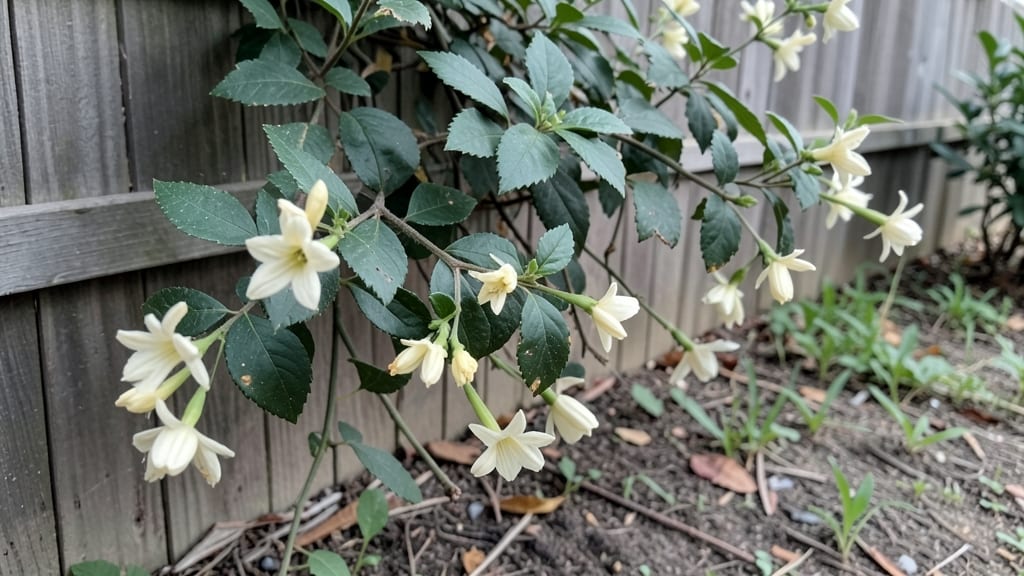
Fast-growing summer blooming jasmine 🌸 can turn your garden into a fragrant sanctuary with just a few simple steps.
Imagine a summer garden filled with intoxicating jasmine blooms that not only thrive in warm months but keep releasing their signature fragrance long after the season ends. These fast-growing varieties are perfect for anyone looking to add a touch of elegance and scent to their outdoor space without the fuss.
If you're in USDA Zone 6a, planting your jasmine between April and May gives it the best chance to establish strong roots before the heat of summer. With the right care, you'll enjoy those beautiful blooms from June through September, and even beyond.
Below, I’ll share how to choose the best varieties, plant them for maximum fragrance, and keep them thriving all season long—so you can enjoy that sweet, intoxicating scent for months to come.
Top 5 fast-growing summer blooming jasmine varieties for fragrance and speed
If you're dreaming of a summer garden filled with intoxicating jasmine fragrance, you need varieties that grow quickly and bloom prolifically. The right jasmine types can transform your outdoor space into a fragrant sanctuary within months.
These fast-growing jasmine plants not only thrive in warm weather but also reward you with year-round fragrance when cared for properly.
Not all jasmine varieties bloom in summer, and not all grow at the same speed. Some prioritize fragrance intensity, while others focus on hardiness or blooming duration. I’ve selected the top 5 summer-blooming jasmine varieties that deliver on both speed and scent, along with their unique care requirements.
Whether you’re a beginner or a seasoned gardener, these varieties will help you create the perfect fragrant garden.
Jasminum officinale, also known as common jasmine, is my top pick for fragrance lovers in cooler climates. It grows at a moderate-to-fast pace and produces strongly scented blooms from June to September. This variety thrives in USDA zones 6-9, making it ideal for gardeners in the northern U.S. and Canada. To maximize its growth, plant it in well-draining soil with partial sun exposure and provide a trellis for support.
If you live in a warmer climate (zones 7-10), Jasminum grandiflorum is a game-changer. Known for its rich, intoxicating fragrance, this variety grows quickly and blooms from July to October.
It’s perfect for creating a luxurious summer garden with minimal effort. However, it requires a warm, sheltered location and light pruning to maintain its shape and encourage continuous blooming.
Jasminum sambac, or Arabian jasmine, is the ultimate fast-growing variety for tropical and subtropical gardens (zones 9-11). It produces heavily perfumed flowers from May to November, making it a year-round fragrance powerhouse. This variety thrives in full sun and heat, so it’s perfect for southern gardens or containers on patios. Regular trimming keeps it compact and encourages more blooms.
For those in cooler or drier regions, Jasminum humile is a resilient choice. It grows at a moderate pace and blooms from June to August, offering a mild but pleasant scent.
How to plant and care for summer jasmine for maximum fragrance year-round
Summer jasmine isn't just a summer plant—it can become your garden's year-round fragrance machine with the right care. The key lies in strategic planting and seasonal maintenance to keep those intoxicating blooms coming.
I’ve learned that well-draining soil, pruning at the right time, and protecting from winter chill make all the difference in extending that signature jasmine scent beyond the warm months.
For maximum fragrance, focus on location first. Summer jasmine thrives in partial shade to morning sun, which prevents leaf scorch while still encouraging blooms. Combine this with rich, slightly acidic soil (pH 6.0–7.0) and good drainage to avoid root rot—a common issue that kills fragrance fast.
If your soil is heavy clay, amend it with compost or perlite before planting.
Step-by-Step Planting & Care Guide
- 1 Choose the Right Spot: Plant in partial shade (4–6 hours of morning sun) with afternoon shade. Avoid full sun in hot climates—it burns leaves and reduces blooms.
- 2 Prepare the Soil: Mix compost into the top 12 inches of soil for nutrients. Ensure well-draining conditions—summer jasmine hates soggy roots. Test pH and adjust with lime (to raise) or sulfur (to lower) if needed.
- 3 Plant in Spring: After the last frost date, dig a hole twice as wide as the root ball. Space plants 3–5 feet apart for airflow. Water deeply to settle soil.
- 4 Water Deeply & Consistently: Keep soil evenly moist but not waterlogged. Water early morning to reduce fungal risks. In summer, increase frequency to every 2–3 days.
- 5 Fertilize for Blooms: Use a balanced 10-10-10 fertilizer every 4–6 weeks during spring and summer. Avoid high-nitrogen fertilizers—they promote leaves over flowers. Stop fertilizing in fall and winter.
- 6 Prune for Continuous Blooms: Prune right after flowering (late summer) to encourage new growth. Remove dead or weak stems and shape the vine to redirect energy. Avoid heavy pruning in fall—it reduces winter hardiness.
- 7 Protect in Winter: Mulch 3–4 inches deep around the base with straw or shredded leaves to insulate roots. In USDA Zones 7–9, wrap vines with burlap if temperatures drop below 20°F. Trim back slightly in early spring to promote fresh growth.
Pruning is where many gardeners go wrong—cutting at the wrong time can eliminate next year’s blooms. I’ve found that light pruning after flowering (not before) keeps the vine productive.
Use clean, sharp shears to make 45-degree cuts just above a leaf node. This encourages new growth and more flowers the following season.
To extend fragrance into cooler months, train your jasmine to climb a trellis or arbor. The vertical growth gets better airflow, reducing disease and boosting bloom production. Plus, the elevated position makes those intoxicating blooms easier to enjoy from your patio or deck.
Just ensure the trellis is sturdy—jasmine vines can reach 15–20 feet if left unchecked!
Winter care is often overlooked, but it’s critical for year-round fragrance. Before the first frost, reduce watering and stop fertilizing. In colder zones (below Zone 7), consider container growing so you can move the plant to a garage or sheltered porch during freezes.
Even a thick layer of mulch can make the difference between a dead vine and one that surprises you with spring blooms.
With these steps, your summer jasmine will reward you with fragrance that lingers long after the season ends. The secret? Consistency—stay on top of watering, pruning, and soil health, and you’ll have a vine that keeps giving all year. Now go enjoy that heavenly scent! 🌸