
Blooming
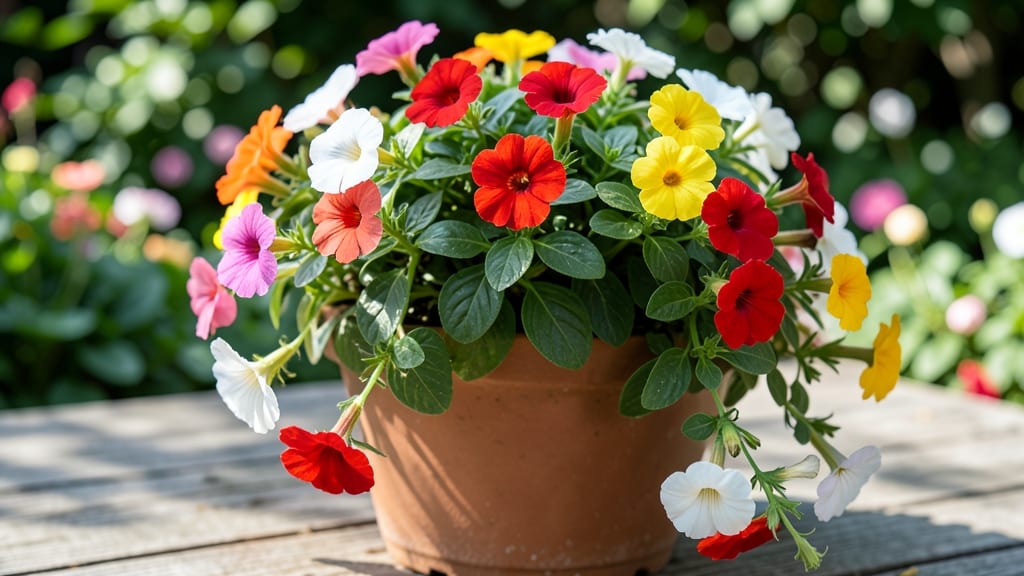
Sunpatiens bloom time isn’t just about seasons—it’s heat that triggers their nonstop color show. 🌿 I’ve watched these tough little plants burst into flower within 3-4 weeks of planting once the soil warms to 60°F, and they keep going until frost.
The secret? They’re bred to handle full sun and heat, unlike their shade-loving cousins.
In cooler zones (5-7), expect blooms to start late May or June, while warmer climates (8+) can see flowers as early as April. The key is consistent moisture—they wilt fast when dry but bounce back with a drink.
I’ve had mine flowering 10+ weeks straight with proper care, even in summer heat.
Want to extend that bloom time? Deadhead spent flowers regularly and feed every 4-6 weeks with a balanced fertilizer. My plants stay vibrant until first frost, sometimes even pushing new blooms in fall if nights stay mild.
The payoff? A summer of bold pinks, purples, and whites that never fades.
Troubleshooting delayed blooms? Check for shade stress (they need 6+ hours of sun) or overwatering (soggy roots stall flowering). Once you get the conditions right, sunpatiens become the easiest, most reliable summer bloomers in the garden.
📚 In This Guide
- What you need
- Instructions
- Tips and common mistakes
- Wrapping up and next steps
What you need
- ● Sunpatiens plants: Choose Impatiens walleriana (or heat-tolerant hybrids like ‘SunPatiens’ series). Buy 3–5 plants for a full, lush display.
- ● Well-draining potting mix: 10–20 lbs (depending on container size). Opt for a blend with 50% peat/coir, 30% perlite, and 20% compost.
- ● Containers: Hanging baskets: 12–18 inches wide (2–3 plants per basket).
- ● Window boxes or planters: 10–12 inches deep (space plants 8–12 inches apart).
- ● Garden beds: Full sun to partial shade (6+ hours of light daily).
- ● Slow-release fertilizer: 10–20 lbs (e.g., 14-14-14 NPK) or organic compost (5 lbs per 10 sq ft).
- ● Watering can or drip irrigation: 1–2 gallon capacity (for consistent moisture).
- ● Gloves: Heavy-duty for handling soil/plants.
- ● Pruning shears: For trimming leggy stems (sharp, sterilized).
- ○ pH testing kit (optional): Ensure soil pH is 5.8–6.5 (sunpatiens prefer slightly acidic soil).
- ○ Mulch (optional): 1–2 inches of pine bark or shredded leaves to retain moisture.
- ○ Heat-resistant shade cloth (optional): 30–50% coverage for high-heat zones (100°F+).
How to time sunpatiens for peak heat-triggered blooms
Sunpatiens thrive when you sync their planting with your climate's heat patterns—here's how to unlock their legendary nonstop color.
☀️ Step 1: Plant After Last Frost When Soil Reaches 65°F
Sunpatiens need consistent warmth to trigger blooming, so wait until your average nighttime temperature stays above 50°F and soil temperature hits 65°F at 2-inch depth. I test this by pressing my finger into the soil—if it feels warm like a fresh-baked loaf, it's ready. Planting too early in cool soil shocks roots and delays flowering by 3-4 weeks.
Choose a location with full sun (6+ hours daily) and well-draining soil. Sunpatiens hate soggy roots, so amending with 1 part perlite to 3 parts native soil prevents rot. You'll see the first true leaves emerge within 7-10 days—that's your signal the plant has established.
💧 Step 2: Water Deeply at Base When Top 1-2 Inches Dry
Consistent moisture is critical for sunpatiens to set buds. Water deeply at the plant's base—never overhead—to prevent fungal diseases like powdery mildew. I use a soaker hose for 10 minutes twice weekly, adjusting for rain. The key is even moisture: let the topsoil dry slightly between waterings, but never to the point of wilting.
Overwatering causes yellow leaves, while underwatering triggers bud drop. Watch for dark green, crisp leaves—that's your cue everything's balanced. Mulch with 2 inches of shredded bark to retain moisture and regulate soil temperature.
✂️ Step 3: Deadhead Faded Blooms Weekly for Continuous Flowering
Sunpatiens reward aggressive deadheading. Pinch off spent blooms every 7-10 days using clean, sharp scissors. Cut just above the next set of leaves to encourage new growth. I do this on a weekly schedule—it's the secret to their famous nonstop blooms. Without deadheading, you'll see fewer flowers and leggy stems.
This step also prevents seed formation, which diverts energy from flowering. You'll notice new buds forming within 5-7 days of deadheading—proof the plant is responding. For extra vigor, fertilize lightly with balanced 10-10-10 every 4 weeks during peak bloom.
🌿 Step 4: Adjust Care for Heat Waves and Seasonal Shifts
When temperatures hit 90°F+, sunpatiens may slow blooming. Provide afternoon shade (a sheer curtain works) and increase watering to every 3-4 days. You'll see leaves curl slightly—this is normal heat stress, not wilting. Mulch helps keep roots cool, but avoid thick layers that trap moisture.
As fall approaches, reduce watering gradually. Sunpatiens often rebloom in cool fall weather if given consistent care. When nighttime temps drop below 50°F, you can either cut back plants or let them go dormant—both work for sunpatiens' hardy nature.
Tips & tricks for perfect sunpatiens bloom timing
To get those vibrant sunpatiens blooming like clockwork, here are the pro tips that'll make all the difference.
The Heat Factor: Use a soil thermometer to confirm that 2-inch depth reaches 65°F—your finger test is a good start, but digital accuracy prevents guessing. I've seen plants struggle in "warm" soil that was actually only 55°F—the difference between thriving and delayed blooms. Planting in cooler soil can set your sunpatiens back 3-4 weeks or more, so don't rush this step.
Watering Wisdom: The 10-minute soaker hose method ensures deep, even moisture without wetting leaves. I've found that adjusting for rain is crucial—if it's been raining, cut your watering time in half. The goal is consistent moisture, not soggy soil. Yellow leaves? You're overwatering. Dropping buds? You're underwatering. That crisp, dark green color is your perfect moisture signal.
Deadheading Discipline: Mark your calendar for every 7-10 days—that's when your sunpatiens need deadheading. I keep a small pair of clean scissors by my garden bench for this purpose. The key is cutting just above the next set of leaves, not at the stem base. This redirects energy to new blooms, and you'll see fresh buds forming within 5-7 days. Without this step, you'll lose that nonstop bloom cycle.
Seasonal Strategy: When temperatures climb above 90°F, provide afternoon shade with a sheer curtain to prevent heat stress. I've seen leaves curl dramatically in extreme heat, but they bounce back when given this simple protection. As fall approaches, gradually reduce watering—sunpatiens often surprise you with a second bloom cycle when nights cool below 50°F but days stay warm.
Pro Tips for Sunpatiens Bloom Time
- To get those vibrant sunpatiens blooming like clockwork, here are the pro tips that'll make all the difference.
- The Heat Factor: Use a soil thermometer to confirm that 2-inch depth reaches 65°F—your finger test is a good start, but digital accuracy prevents guessing.
- Watering Wisdom: The 10-minute soaker hose method ensures deep, even moisture without wetting leaves.
Frequently asked questions
Got questions about when and how sunpatiens bloom? You’re not alone! Here are some of the most common queries gardeners ask—plus quick, actionable answers to keep your plants thriving and flowering.
When do sunpatiens typically bloom after planting?
Sunpatiens usually start blooming 6–8 weeks after planting (or transplanting seedlings), provided they get full sun (6+ hours daily) and well-draining soil. Heat-loving varieties may even kick into full bloom faster in warmer climates (think late spring to early summer). Pro tip: Deadhead spent blooms to encourage nonstop color!
Can I force sunpatiens to bloom earlier or later in the season?
Sunpatiens are heat-triggered, so they won’t bloom reliably in cool weather. For earlier blooms, start seeds indoors 8–10 weeks before your last frost or choose heat-tolerant varieties like ‘SunPatiens Vista Bubblegum.’ To extend blooms, mulch heavily and water consistently—they wilt fast when stressed! Avoid fertilizing late in the season, as it can stunt fall blooms.
Why aren’t my sunpatiens blooming at all?
No blooms? Check these 3 culprits:
- Too much shade: Sunpatiens need bright light—move them to a sunnier spot or supplement with grow lights.
- Over-fertilizing: Too much nitrogen = leafy growth, not flowers. Switch to a low-nitrogen, high-phosphorus fertilizer (like 5-10-5).
- Stress: Underwatering, pests, or sudden temperature drops can halt blooms. Keep soil consistently moist (not soggy) and inspect leaves for aphids.
Are there sunpatiens that bloom all summer long?
Yes! Look for ‘SunPatiens Vista’ or ‘Wave’ series—they’re bred for continuous blooming from early summer until frost. These varieties handle heat and humidity better than traditional impatiens, too. Bonus: They’re also drought-tolerant once established, making them low-maintenance stars.
Can I save sunpatiens for next year, or do I need to replant?
Sunpatiens are annuals in most climates, but you can try overwintering them in USDA Zones 10–11 with protection (like row covers). For cooler areas, treat them as seasonal favorites—start new plants each spring for the best blooms. Pro move: Take cuttings in late summer to propagate your own plants!
Still stumped? Drop your sunpatiens questions in the comments—we’ve got answers!
Wrapping up and next steps
Sunpatiens are nature’s heat-loving superstars, bursting into vibrant color when temperatures rise—often earlier and longer than traditional flowers! 🌸 With the right care, you can enjoy their nonstop blooms from early summer through fall, brightening your space with minimal effort.
Now that you’re armed with the know-how, grab your gardening gloves and give these sun-worshippers the love they crave—your garden (and pollinators!) will thank you.
Ready to transform your outdoor space? Start by selecting your favorite sunpatiens varieties and check out our planting tips to kick off your blooming adventure today!