
Blooming
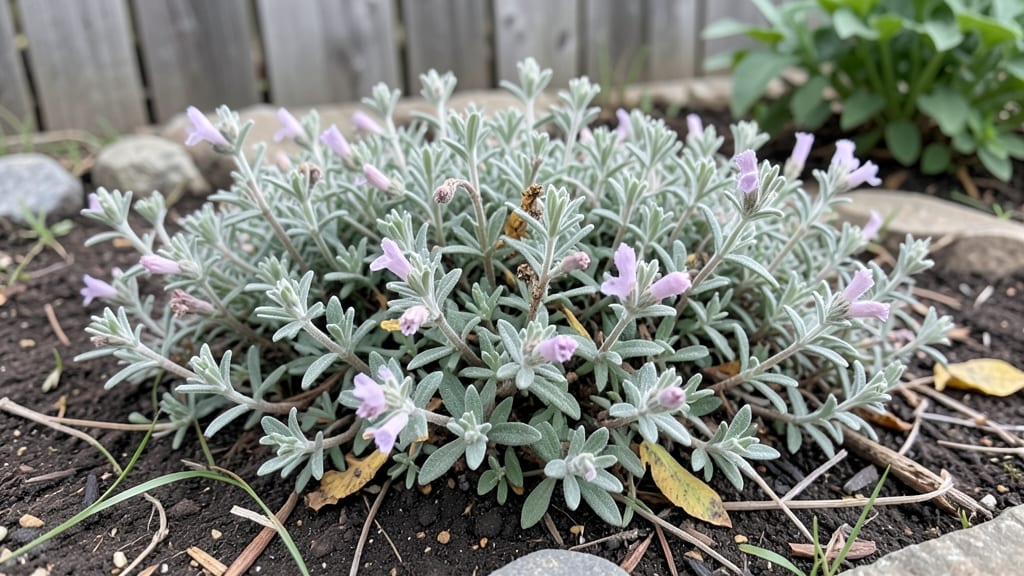
Fragrant thyme in bloom transforms your garden into a buzzing, pollinator paradise 🌿—no fancy design skills required.
Imagine a garden that hums with life year-round, not just from your efforts but from the steady stream of bees and butterflies drawn to thyme’s delicate lavender blooms. This hardy herb isn’t just for your kitchen; it’s a low-maintenance, ever-blooming star that pairs beautifully with almost any plant.
Whether you’re dreaming of a pollinator-friendly border or an edible landscape, thyme delivers year after year with minimal fuss. Its drought tolerance and fragrant foliage make it the perfect choice for sunny spots in USDA Zone 6a and beyond.
In this guide, you’ll discover the best varieties for continuous blooms, creative planting ideas, and pro tips to keep your thyme thriving—so you can enjoy its beauty and benefits all season long.
Best fragrant thyme varieties that bloom year-round for pollinators
When I design my pollinator gardens, I always include fragrant thyme varieties because they offer continuous blooms and irresistible scents. Unlike many herbs, thyme doesn’t just stop flowering after one season—it can bloom spring through fall (and sometimes winter too) with the right selection.
The key is choosing ever-blooming cultivars that thrive in your climate while attracting bees, butterflies, and hoverflies.
Not all thyme varieties are created equal when it comes to pollinator appeal or fragrance intensity. Some, like common thyme (Thymus vulgaris), produce stunning lavender blooms but may have gaps in their bloom cycles.
Others, like creeping thyme (Thymus serpyllum), carpet your garden with tiny pink flowers for months. Below, I’ve compared the top 5 fragrant thyme varieties that keep your garden buzzing with activity year-round.
| Variety | Bloom Season | Fragrance Intensity | Pollinator Rating | Height (inches) | Notes |
|---|---|---|---|---|---|
| 'Silver Queen' (Thymus serpyllum) | Spring-Fall (year-round in mild climates) | Strong citrus-lemon | ⭐⭐⭐⭐⭐ (Bees love it!) | 3-6 | Creeping ground cover; drought-proof. |
| 'Doone Valley' (Thymus serpyllum) | Spring-Fall (continuous) | Mild herbal | ⭐⭐⭐⭐ (Hoverflies adore it) | 2-4 | Cold-hardy; great for rock gardens. |
| 'Fragrantissimus' (Thymus serpyllum) | Spring-Fall (long bloom) | Very strong herbal | ⭐⭐⭐⭐ (Bees and butterflies) | 3-5 | Heat-tolerant; spreads quickly. |
| 'Lemon Thyme' (Thymus citriodorus) | Summer-Fall (prolonged) | Bright citrus | ⭐⭐⭐ (Moderate pollinator draw) | 12-18 | Upright growth; great for containers. |
| 'Common Thyme' (Thymus vulgaris) | Summer (shorter bloom) | Earthy herbal | ⭐⭐⭐ (Bees visit but less frequent) | 12-18 | Classic culinary thyme; needs pruning. |
If you’re aiming for a pollinator paradise, I recommend starting with 'Silver Queen' or 'Doone Valley'—both are creeping thyme varieties that spread effortlessly while keeping blooms abundant. Their citrusy fragrance also repels pests like cabbage moths, making them a dual-purpose powerhouse in my garden.
For a taller, more structured look, 'Lemon Thyme' adds vibrant color and attracts hoverflies, which are crucial for controlling aphids.
One of my favorite ever-blooming thyme tricks is to plant 'Fragrantissimus' alongside lavender and marjoram. This trio creates a fragrant border that pollinators can’t resist, and the thyme’s ground-hugging habit fills gaps between taller perennials.
Plus, its strong herbal scent masks the smell of weeds, reducing the need for mulch in some cases.
For urban gardeners with limited space, I grow 'Lemon Thyme' in hanging baskets or window
How to create a pollinator-friendly thyme garden for continuous blooms
Creating a pollinator-friendly thyme garden is easier than you think, and the rewards are endless. Thyme in bloom attracts bees, butterflies, and hummingbirds while adding fragrance and texture to your landscape. The key lies in proper planting techniques, strategic pruning, and smart companion planting to encourage nonstop blooms.
Whether you’re a beginner or seasoned gardener, these tips will transform your garden into a buzzing haven.
Start with well-draining soil—thyme hates soggy roots. Mix sandy loam with compost to create an airy, nutrient-rich bed. Full sun exposure (6+ hours daily) is non-negotiable; thyme thrives where others wilt.
If your soil is heavy clay, amend it with gravel or perlite to prevent waterlogging. Drought tolerance is thyme’s superpower, but proper soil prep ensures vibrant blooms year-round.
- 🌱 Choose pollinator-loved varieties: 'Silver Queen' (lavender blooms), 'Doone Valley' (pink flowers), or 'Lemon Thyme' (citrus-scented blooms).
- ☀️ Plant in full sun: 6+ hours daily ensures continuous blooms; partial shade reduces flowering.
- 💧 Water deeply but infrequently: Once established, thyme needs water only when soil is bone-dry.
- ✂️ Prune after blooming: Trim spent flowers to 2-3 inches above ground to encourage new growth.
- 🌿 Pair with lavender and marjoram: These companions attract more pollinators and deter pests.
Pruning is your secret weapon for extending thyme blooms. After flowers fade, trim back one-third of the plant using clean, sharp shears. This stimulates bushier growth and prevents legginess. Deadheading (removing spent blooms) signals the plant to redirect energy into new flowers. For ever-blooming varieties, a light trim every 4-6 weeks keeps the plant compact and prolific.
Companion planting amplifies thyme’s pollinator appeal. Lavender repels pests while attracting bees, and marjoram shares thyme’s love for dry conditions. Salvias and catmint add vertical interest and extend the blooming season.
Avoid planting thyme near mint or comfrey—these aggressive spreaders can crowd out thyme’s delicate stems. Rock gardens or herb spirals are perfect thyme habitats, as they mimic its natural, well-drained Mediterranean environment.
Don’t overlook mulching—a 2-inch layer of gravel or straw retains moisture, suppresses weeds, and regulates soil temperature. Avoid organic mulch like wood chips, which can compact and suffocate thyme’s shallow roots.
In containers, use fast-draining potting mix with added perlite. Place pots in south-facing spots to maximize sunlight. Drought-stressed thyme may drop blooms, so monitor soil moisture during heatwaves.
With these strategies, your thyme in bloom will become a pollinator superstar. Watch as bees and butterflies flock to your garden, and enjoy the fragrant, ever-blooming beauty thyme brings—all while keeping maintenance simple. Start small, experiment with varieties, and let nature do the rest! 🌿