
Blooming
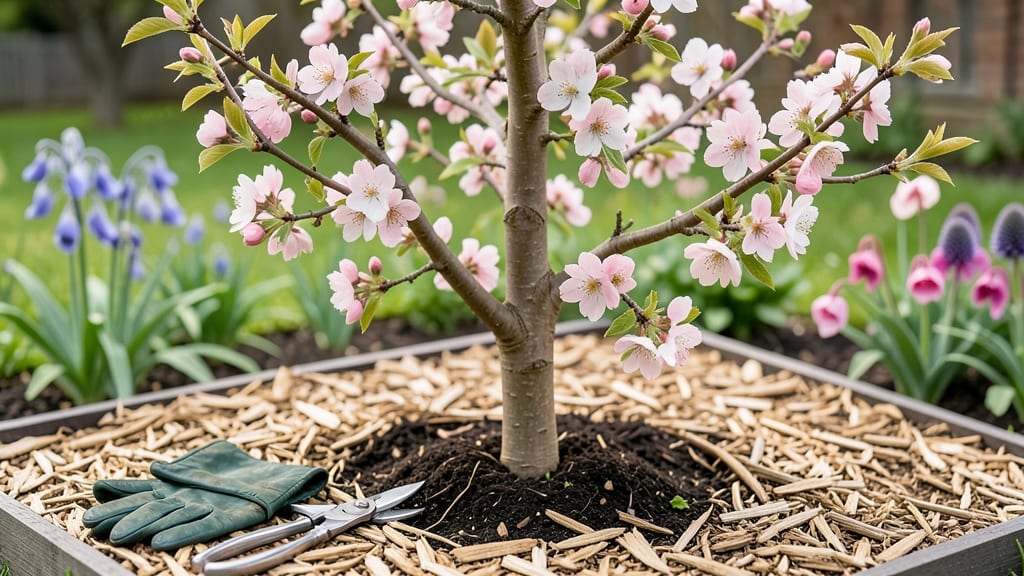
A peach bloom border transforms your garden edges into a fragrant, pollinator paradise that blooms from spring through fall. 🌸 I designed mine after realizing how much my yard needed more color and life—now it’s the first thing neighbors notice when they walk by.
The secret lies in layering plants with similar care needs but different bloom times, creating a continuous show of soft pinks, buttery yellows, and creamy whites.
Start with core peach-hued plants like peony, rose, and butterfly bush, then add supporting players such as lavender, coneflower, and Russian sage for texture and fragrance. These thrive in full sun and well-drained soil—no fuss, just beauty.
My border stays lush with minimal watering once established, and the bees and butterflies never stop visiting.
By late summer, your border will burst with goldenrod, black-eyed Susans, and sedum, extending the season until frost. The scent alone—sweet, herbal, and slightly floral—makes evenings in the garden feel like a retreat. Plus, the vertical interest from tall grasses and shrubs adds depth without extra work.
Works for small urban yards or sprawling countryside gardens—just adjust spacing and plant sizes. The key is mixing heights and textures so the border feels alive, not flat. Ready to create your own fragrant edge?
📚 In This Guide
- What you need
- Instructions
- Tips and common mistakes
- Wrapping up and next steps
What you need
- ● Peach tree seedlings or bare-root plants: 5–10 (depending on border length; space 10–15 ft apart for mature size). Choose dwarf varieties like Peach 'Bonanza' or 'Redhaven' for smaller spaces.
- ● Well-draining soil: Mix 1 part compost with 2 parts native soil (pH 6.0–7.0). Test soil for nutrients if replanting.
- ● Mulch: 2–3 inches of wood chips or straw to retain moisture and suppress weeds.
- ● Drip irrigation or soaker hose: 50 ft (adjust for border length) to ensure consistent watering.
- ● Organic fertilizer: 10-10-10 or balanced bloom booster (follow package rates for young trees).
- ● Garden tools: Trowel, pruners, shovel, and wheelbarrow.
- ● Support stakes: 4–6 ft bamboo or metal stakes (1 per tree) for young saplings.
- ○ Pollinator-friendly companions: Optional but recommended—add 3–5 lavender or rosemary plants to enhance fragrance and attract bees.
- ● Weather check: Plant in early spring (after last frost) or late fall for best root establishment.
Step-by-step instructions for creating a peach bloom border
Here’s how to craft a fragrant, pollinator-friendly border that blooms from spring to fall.
🌱 Step 1: Select the Right Plants for Season-Long Color
Choose a mix of spring bloomers (like peach-colored Prunus or Cercis canadensis), summer performers (such as Dianthus or Nepeta), and fall favorites (like Aster or Heuchera). I always include at least three varieties to ensure continuous blooms—peach tones dominate spring, while purples and pinks take over in summer and fall. Space them 12-18 inches apart to allow airflow and prevent fungal issues.
Dig holes twice as wide as the root ball but only as deep as the container’s base. This prevents crown rot, which is a common problem with peach-hued plants that thrive in well-drained soil. Amend the soil with compost if your native mix is heavy clay—this ensures roots establish quickly and blooms stay vibrant.
💧 Step 2: Plant in Well-Drained Soil with Mulch
Fill each hole with native soil mixed with compost (about 1 part compost to 3 parts soil). Gently remove the plant from its container and loosen any circling roots—this encourages outward growth, which translates to more blooms. Place the plant so the top of the root ball sits just below soil level—never deeper, or you’ll suffocate the stem.
Backfill with the soil mix, pressing lightly to eliminate air pockets. Water deeply until the soil is saturated to 6 inches down, then add a 3-inch layer of mulch (like shredded bark or straw) around each plant, keeping it 2 inches away from stems. This retains moisture, suppresses weeds, and keeps roots cool—critical for peach-toned plants that wilt easily in heat.
☀️ Step 3: Position for Sun and Shelter
Peach bloom borders thrive in full sun to partial shade (at least 6 hours of direct light daily). If your site gets hot afternoon sun, opt for shade-tolerant varieties like Deutzia or Weigela, which handle heat better. I always face the border toward a south or east exposure—this maximizes morning sunlight without scorching blooms.
Add a low fence or trellis along the back to define the border and protect plants from strong winds. Wind desiccates petals, which shortens bloom time—especially problematic for peach-hued flowers, which already fade faster in heat. Stake taller plants (like Spirea) immediately to prevent flopping, which ruins the clean, layered look.
✂️ Step 4: Prune and Feed for Continuous Blooms
After the first flush of blooms fades, prune back spent stems by ⅓ to encourage bushier growth. I use clean, sharp shears and make cuts just above a leaf node—this prevents disease and promotes new shoots. For repeat-blooming varieties (like Dianthus), deadhead regularly to redirect energy into more flowers instead of seed production.
Feed with a balanced, slow-release fertilizer (10-10-10) in early spring and again after mid-summer blooms. Over-fertilizing leads to lush foliage but fewer flowers—peach bloom borders rely on bloom quantity, not leafy growth. Water deeply once a week (more in drought) and always in the early morning to prevent fungal spores from splashing onto petals.
🐝 Step 5: Maintain for Pollinator Appeal
Leave some seed heads on a few plants (like Aster) to provide winter food for birds and early spring nectar for bees. I also avoid pesticides—neonicotinoids wipe out pollinators, and peach bloom borders depend on them. If pests appear, use neem oil or insecticidal soap sparingly, targeting only affected leaves.
Rotate plants every 2-3 years to prevent soil depletion and keep the border dynamic. Swap out faded varieties with new ones (like Salvia or Lavender) to extend the season. The key to a peach bloom border is layered color and texture—mix tall grasses with low-growing perennials to create visual interest from every angle.
Tips & tricks for perfect peach bloom borders
Here's what nobody tells you about keeping your peach bloom border vibrant and thriving.
Plant Selection Strategy: When choosing your three varieties for continuous blooms, prioritize plants with staggered bloom times. For example, pair Prunus (spring) with Dianthus (summer) and Heuchera (fall). This ensures you always have at least one variety in bloom—critical for maintaining that signature peach hue throughout the season. I've found that including at least one native plant species significantly reduces maintenance while improving pollinator appeal.
Soil Preparation Secret: The 1 part compost to 3 parts soil ratio is perfect, but don't stop there. For heavy clay soils, mix in 1 cup of perlite per cubic foot of amended soil to improve drainage. This prevents that dreaded crown rot that plagues peach-hued plants. I also recommend testing your soil pH—most peach bloom varieties prefer a slightly acidic range of 6.0-6.5. If your soil tests higher, add sulfur gradually over a few months to avoid shocking the plants.
Watering Technique: That 6-inch deep watering after planting is essential, but timing matters just as much. Water in the early morning to allow foliage to dry completely before evening—this prevents fungal spores from taking hold on the delicate peach-toned petals. For established borders, I've found that drip irrigation set on a timer for 20 minutes every other day works better than hand-watering, especially during summer droughts. The consistent moisture keeps roots happy without risking overwatering.
Pruning Precision: When you're pruning back spent stems by ⅓ in Step 4, make your cuts at a 45-degree angle just above a leaf node. This angled cut increases surface area for water absorption and prevents water from pooling at the cut site, which can lead to rot. For repeat-bloomers like Dianthus, I recommend deadheading every 7-10 days during peak bloom season to keep the energy focused on producing more flowers rather than seed heads.
Pro Tips for Peach Bloom Border
- Here's what nobody tells you about keeping your peach bloom border vibrant and thriving.
- Plant Selection Strategy: When choosing your three varieties for continuous blooms, prioritize plants with staggered bloom times.
- Soil Preparation Secret: The 1 part compost to 3 parts soil ratio is perfect, but don't stop there.
Frequently asked questions
Got questions about creating a peach bloom border?
Here are answers to the most common ones to help you plan your fragrant, pollinator-friendly garden edge!
When is the best time to plant a peach bloom border?
Plant in early spring (after the last frost) or fall (6-8 weeks before your first frost). This gives roots time to establish before extreme temperatures. For container plantings, you can start anytime—just ensure they get consistent moisture!
How long does it take for a peach bloom border to look full and fragrant?
Most peach-scented blooms (like peony, mock orange, or deutzias) reach peak fragrance and fullness in 2-3 years. Patience pays off—first-year plants focus on root growth, but you’ll see bursts of blooms by year two!
Will this border really attract pollinators all season?
Yes! Mixing early bloomers (like wisteria or viburnum), mid-season stars (peony, lilac), and late-season blooms (roses, lavender) ensures a continuous buffet for bees, butterflies, and hummingbirds. Pro tip: Add native plants for maximum local pollinator appeal!
What are some low-maintenance alternatives to traditional peach-scented flowers?
If you want less upkeep, try:
- Mock orange (Philadelphus) – Fragrant, drought-tolerant, and deer-resistant.
- Dwarf peach trees – Compact varieties like ‘Bonanza’ offer blooms and fruit with minimal space.
- Lavender – Pollinator magnet with a light peach-like aroma and zero fuss.
My peach bloom border isn’t fragrant—what’s wrong?
Fragrance fades if plants are stressed (overwatered, underwatered, or nutrient-deficient). Check soil pH (aim for 6.0–7.0), mulch well, and prune dead blooms promptly. Age matters too—young plants may not hit peak scent until year 3!
Can I mix peach-scented flowers with other colors in the border?
Pair peach-hued blooms with purples (lavender, clematis), whites (spirea, gardenia), or soft pinks (roses, hydrangeas) for a dreamy, cohesive look. Just avoid clashing colors like neon yellow—stick to complementary tones for harmony!
Wrapping up and next steps
A peach bloom border isn’t just a pretty sight—it’s a fragrant, pollinator-friendly powerhouse that brings life to your garden while requiring minimal effort once established! 🌸 From selecting the right varieties to maintaining a thriving edge, every step transforms your yard into a buzzing, blooming haven.
Whether you’re a seasoned gardener or just starting out, this fragrant border is a rewarding project that pays off in beauty and biodiversity.
Ready to take the next step? Start small—plant a few peach trees or shrubs this season and watch your garden bloom with purpose! 🌱 For even more inspiration, explore companion plants that complement your border or dive into seasonal care tips to keep those blossoms coming year after year.