
Blooming
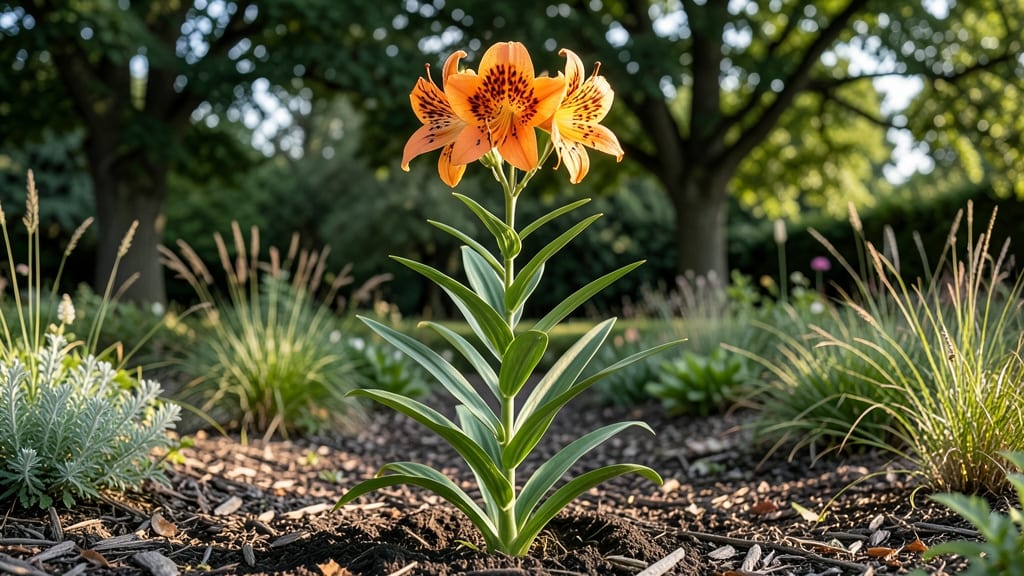
The tiger lily bloom time is a mid-to-late summer showstopper 🌸 — but if your plants are playing hard to get, you’re not alone. Many gardeners wait patiently, only to miss the vibrant display because timing depends on your variety and where you live.
Whether you’re growing the classic orange-and-black 'Black Tiger' or the pale 'Casa Blanca', bloom windows can shift by weeks. In USDA Zone 6a, expect flowers to appear in July or August, but hotter climates might push them into September.
Here’s the key: planting in April-May after the last frost gives roots time to establish before summer heat arrives. But even with perfect timing, factors like soil nutrients, watering, and sunlight can delay or extend blooms.
Below, I break down bloom schedules by variety, hardiness zone adjustments, and simple tricks to encourage longer flowering — so you won’t miss another season.
Tiger lily bloom time by variety: when to expect stunning flowers
Tiger lilies are famous for their bold, striped blooms, but their bloom timing varies dramatically based on the specific variety you choose. Some cultivars burst into color in early summer, while others wait until late summer or even early fall.
Knowing these differences helps you plan your garden for maximum impact and avoid disappointment when your orange-and-black stars don't appear on schedule.
Most tiger lilies bloom between mid-July and early September, but the exact timing depends on factors like your USDA hardiness zone, planting date, and cultivar selection. For example, 'Pardon Me' often blooms earlier than 'Casa Blanca', which may wait until late summer.
Understanding these patterns lets you create a sequential bloom display that keeps your garden vibrant from June through September.
Here’s how to identify each bloom type by visual cues before planting: Early bloomers show tight buds in June, mid-season varieties develop buds in early July, and late bloomers may not show buds until August.
Pay attention to bud size and color intensity—darker stripes often indicate maturity and imminent opening.
The 'Pardon Me' variety is my go-to for early summer color, often blooming as early as July 1st in warmer zones. Its vibrant orange petals with black spots create a striking contrast against green foliage.
Look for buds that begin swelling in late June—this is your signal that blooms are imminent. Plant this variety in full sun for the earliest results.
For a late-summer showstopper, 'Black Tiger' delivers drama with its deep purple-black blooms. These typically appear in mid-August, but in cooler climates, they may wait until September.
The glossy buds are a dead giveaway—they turn a rich purple hue weeks before opening. Pair this variety with sun-loving perennials like coneflowers for a bold garden statement.
If you love unusual colors, 'Casa Blanca' offers a pristine white bloom with subtle green stripes. This variety often blooms in late July to early August, making it a perfect bridge between early and late-season bloomers.
Watch for buds that turn pale green—this indicates they’re 3-4 weeks from opening. Its elegant look pairs beautifully with purple and blue flowers.
To extend your tiger lily season, consider planting a mix of early, mid, and late bloomers. For example, combine 'Pardon Me' (early) with 'Golden Splendor' (late) to ensure continuous color from July through September. This layered approach also attracts pollinators like hummingbirds and bees throughout the summer months.
One of my favorite tricks is to deadhead spent blooms to encourage second flushes, especially with varieties like 'Stella de Oro', which often reblooms if you remove faded flowers promptly. This variety is also dwarf-sized, making it ideal for borders or containers where space is limited.
Remember, local climate plays a huge role in bloom timing. In USDA Zone 5 or colder, tiger lilies may bloom 2-3 weeks later than in Zone 8. Always check your last frost
Hardiness Zone map: how climate affects tiger lily bloom timing
Your tiger lily bloom time depends heavily on your USDA hardiness zone, with dramatic shifts between cooler northern climates and warmer southern regions. In Zones 3-5, expect blooms from mid-July to early September—often delayed by late spring frosts.
Meanwhile, gardeners in Zones 8-10 may see flowers as early as June or even May in ideal conditions.
Even within the same zone, microclimates like urban heat islands or high-elevation areas can shift bloom timing by 2-3 weeks. For example, a Zone 6 garden at 5,000 feet might bloom later than one at sea level.
Understanding these variations helps you time planting and manage expectations for your dramatic orange-and-black blooms.
In Zones 3-5, tiger lilies often produce late-season blooms because they need warm soil to trigger flowering. Plant bulbs in early spring (April) to give roots time to establish before summer heat. In Zones 9-10, you might even see second blooms if summer rains keep soil consistently moist.
Frost sensitivity plays a critical role: Zone 5 gardeners should protect early buds with frost cloth if a late spring freeze threatens. Meanwhile, Zone 8+ growers can plant Casa Blanca varieties as early as February for blooms by April.
Always check your last frost date—planting too early in cold zones risks frost damage to emerging shoots.
Don't forget elevation adjustments: A Zone 6 garden at 3,000 feet may bloom 2 weeks later than one at sea level. For mountain gardens, choose early-blooming varieties like 'Pardon Me' to maximize your viewing window. In urban areas, heat islands can push blooms 10 days earlier than rural counterparts.
To predict your tiger lily bloom time accurately, note when buds begin swelling—this happens 6-8 weeks before opening. In Zone 7, this typically falls in late May to June, while Zone 10 gardeners see buds forming as early as March.
Adjust your planting schedule accordingly to avoid disappointment.